# Slovenia's Vipava Valley Charts Sustainable Tourism Path With Community-First Model
Tourism development in Vipava, Slovenia's lesser-known valley region, takes a deliberate approach that prioritizes local control over rapid expansion. The valley's communities have begun welcoming visitors while maintaining strict standards that keep commercialization in check and preserve the region's character.
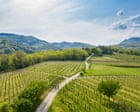
The small hamlet of Pedrovo sits perched high on karst hillsides, accessible only by winding mountain roads through the valley's dramatic landscape. Whitewashed houses with red roofs dot the terrain, overlooking a wide flat plain bordered by steep cliffs. This geography has naturally limited overtourism. The slow arrival of visitors gives residents time to develop infrastructure thoughtfully.
Čilčevi Farmstead exemplifies the valley's approach to hospitality. The working dairy operation welcomes guests to shaded garden tables while serving cheeses produced on-site. This farm-to-table model keeps tourism revenue circulating locally. Visitors eat what the land produces. They meet the people who make it. The experience remains authentic because it reflects actual farm life rather than a performance staged for tourists.
Vipava's strategy differs sharply from Alpine regions that experienced explosive growth. Austria's Tyrol and Switzerland's Valais built infrastructure rapidly in the 1980s and 1990s, sometimes at the cost of environmental degradation and cultural erosion. Those valleys now grapple with overtourism, overcrowded trails, and inflated prices that price out locals. Vipava's communities watched these cautionary tales unfold and chose differently.
The valley sits roughly 50 kilometers southwest of Ljubljana, Slovenia's capital. Direct flights from major European cities serve Ljubljana Airport on carriers including Lufthansa, Air France, and KLM. The drive southwest through the Slovenian countryside takes about an hour. This proximity to the capital makes Vipava accessible without requiring long-haul travel, yet the valley remains largely unknown to mainstream tourism circuits.
Local operators deliberately limit visitor numbers and guide visitors toward authentic experiences rather than tourist attractions. Farmstead stays, wine tastings at family vineyards, and hiking on community-maintained trails form the tourism backbone. Hotels remain modest in size. Large tour operators face resistance from residents protective of their way of life.
This community-first model reflects broader slow travel trends gaining momentum across Europe. Travelers increasingly reject resort tourism and shopping districts in favor of genuine cultural immersion. Time spent in small communities learning local crafts, eating regional food, and hearing local stories delivers deeper satisfaction than checking boxes at famous landmarks. Vipava capitalizes on this shift by offering what mass tourism cannot: genuine connection to place and people.
The valley's wine production, rooted in centuries of winemaking tradition, forms another draw. Local grapes thrive in the valley's unique microclimate. Small family wineries operate at modest scales, producing wines rarely exported beyond Slovenia. Visitors who come to taste these wines often return to purchase bottles, sustaining vineyard income while spreading word about the valley's quality wines.
Costs remain reasonable compared to neighboring Alpine regions. Farmstead meals average 15-25 euros. Modest guesthouses charge 60-80 euros nightly. Wine tastings run 10-15 euros per person. These prices keep the valley accessible to travelers on moderate budgets while generating income that satisfies locals.
This model remains fragile. One resort development or one viral social media moment could flood Vipava with visitors. The communities understand this vulnerability. Their determination to prioritize community welfare over tourism revenue growth offers a template for destinations worldwide seeking sustainable tourism development.