# Discover Britain's Hidden Harbour Towns: Your Guide to Coastal Gems
Britain's harbour towns deliver authentic seaside experiences that rival any Mediterranean destination. These working ports blend fresh seafood, natural beauty, and genuine coastal culture in ways that polished resorts simply cannot match.
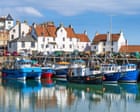
Pittenweem in Scotland's East Neuk commands attention as a serious working fishing port. About 30 small trawlers and creel boats operate from the historic harbour, landing catches that appear on the quay's covered market each weekday morning. The Dory Bistro and Chip Ahoy at the Larachmhor pub serve these catches within hours of landing. Pittenweem means "place of the cave," and the village preserves Victorian charm through its tidal swimming pool next to the beach, which refills twice daily with seawater. This combination of working authenticity and nostalgic leisure infrastructure makes it a template for what harbour towns should be.
The UK's harbour villages stretch across different regions, each with distinct appeal. Northumberland offers smoked kippers and Atlantic fishing heritage. Dorset combines dramatic cliffs with dolphin-spotting opportunities from working boats. The Scottish Highlands feature palm-fringed villages tucked into sea lochs, offering unexpected tropical touches in northern latitudes.
These destinations tick several boxes for modern travellers. First, they remain affordable compared to overdeveloped coastal resorts. Second, they offer genuine experiences: watching fishermen unload at dawn, eating seafood caught that morning, swimming in cold Atlantic water. Third, they support local economies directly. Buying fish from the quay market funds the boats moored outside your accommodation.
Travellers planning harbour town visits should time arrivals for weekday mornings when markets operate and fishing activity peaks. Accommodation options range from simple guesthouses to converted fishermen's cottages with sea views. Many villages lack chain hotels, which preserves their character but requires booking ahead, especially during summer months (June through August) and school holidays.
The infrastructure remains refreshingly low-key. You won't find mega-resorts or amusement arcades. Instead, expect good fish restaurants, modest pubs, beach walks, and boat trips for dolphin spotting or fishing. Parking tends to be straightforward in smaller villages, though peak summer weekends can create congestion.
Transport logistics matter here. Most harbour villages connect via coastal roads rather than motorways. Pittenweem sits about 45 minutes south of Edinburgh via the A917 coastal route. Dorset locations access via minor roads from major towns like Dorchester or Weymouth. Northumberland villages cluster near the Scottish border, accessible from Newcastle.
Seasonal timing shapes the experience dramatically. Summer brings crowds and premium prices but offers the best weather and longest daylight for boat trips. Spring and autumn deliver milder conditions with fewer tourists, making it easier to observe authentic harbour life. Winter transforms these villages into quiet, introspective places where locals outnumber visitors by large margins.
Harbour towns represent a growing travel trend rejecting mass tourism for workingclass authenticity. They appeal to travellers seeking genuine food experiences, willing to eat at harbourside cafes rather than destination restaurants, and interested in local history rather than curated attractions. This shift rewards smaller ports that have resisted overdevelopment while struggling coastal communities that embraced tourism infrastructure too aggressively face declining visitor numbers.
Planning a harbour town visit means embracing unpredictability. Weather changes quickly on British coasts. Catch supplies fluctuate seasonally. Boats operate on tides, not schedules. This uncertainty creates the very authenticity that makes these places compelling. You come for the seafood and stay for the real place you discover.