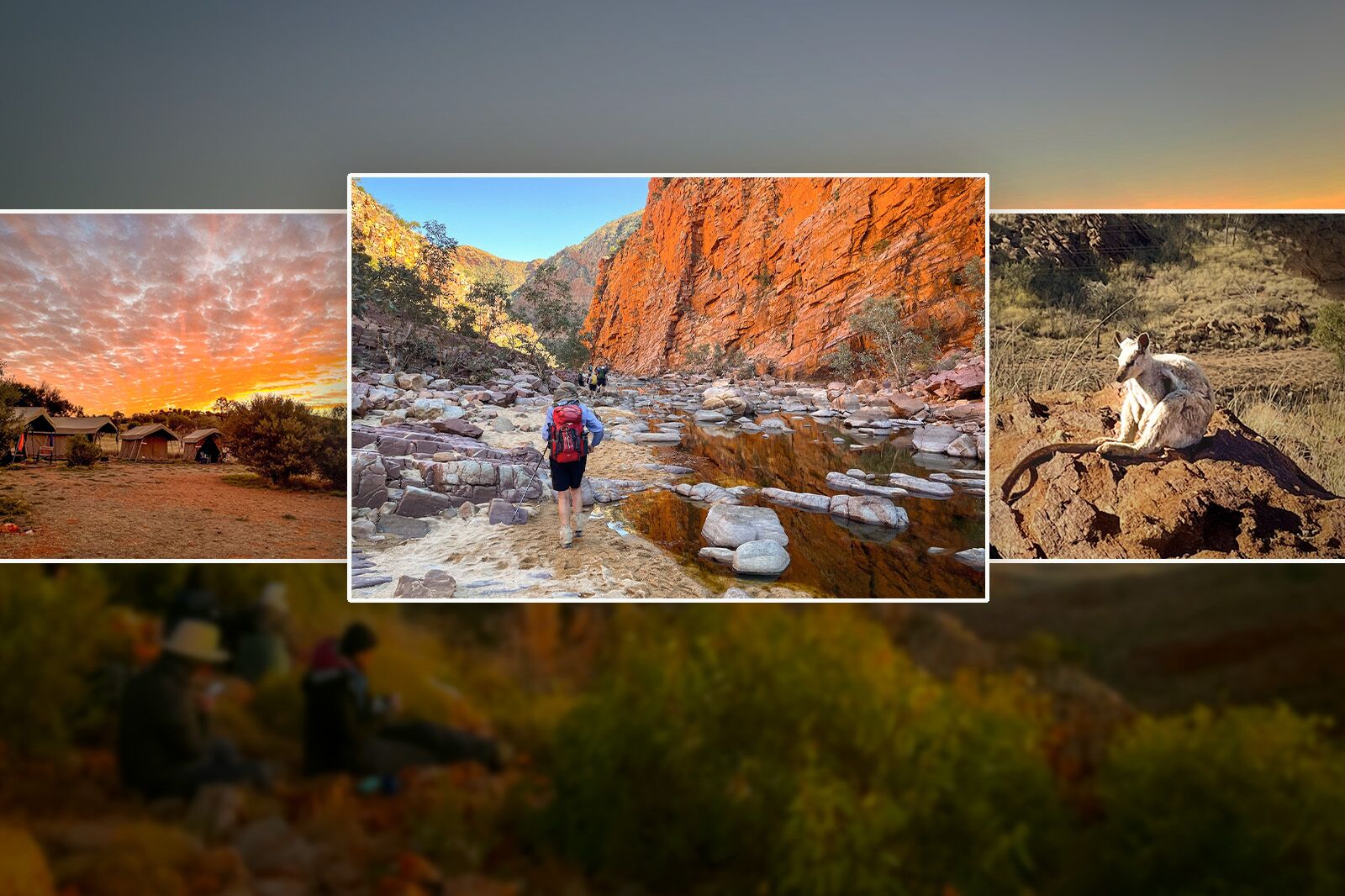
# Solo Trekking Through Australia's Outback: Why Non-Backpackers Are Discovering Remote Desert Adventure
Not every traveler fits the stereotype of a khaki-clad backpacker living on instant noodles and hostel floors. Yet the Australian Outback continues to draw visitors from across the travel spectrum, including those who typically favor comfort-first vacations. A six-day trek through Australia's red desert reveals why this remote landscape appeals to travelers seeking authentic adventure without sacrificing all creature comforts.
The Australian Outback represents one of the world's last genuine wilderness experiences. Spanning roughly 5.5 million square kilometers, this vast expanse of desert, scrubland, and ancient rock formations covers much of central and western Australia. Major gateways include Alice Springs in the Northern Territory and Uluru, the massive sandstone monolith sacred to the Anangu people, located 440 kilometers southwest of Alice Springs.
Walking tours through the Outback typically range from guided day hikes to multi-day expeditions. The standard six-day trek covers approximately 60 kilometers on foot, passing through landscapes that remain virtually unchanged for millions of years. Temperatures fluctuate dramatically between scorching daytime heat exceeding 40 degrees Celsius and surprisingly cold nights. This climate reality shapes how travelers prepare for Outback adventures.
The wildlife encounters define the Outback experience. Travelers regularly spot kangaroos, wallabies, and reptiles throughout their journey. The spider population warrants particular attention. Australian Outback spiders include huntsmen and other large species that, while rarely aggressive toward humans, create memorable moments for visitors unaccustomed to encountering arachnids at close range. Most tour operators brief travelers on wildlife safety and how to coexist peacefully with local fauna.
Accommodation options accommodate various comfort levels. Budget travelers stay in basic camps with minimal facilities, while mid-range operators provide swags (Australian sleeping systems) with meals prepared by guides. Premium tour companies offer elevated accommodations with hot showers, prepared meals, and climate-controlled spaces. Prices typically range from $1,500 to $3,500 AUD for six-day guided treks, depending on accommodation standards and included services.
Tour operators including AAT Kings, Outback Spirit, and local Aboriginal-led companies offer structured experiences tailored to different fitness levels and preferences. Many tours emphasize cultural education, with guides sharing Anangu perspectives on the land and its significance. This educational component attracts travelers interested in learning beyond typical tourist activities.
The physical demands vary considerably. While six days in the Outback requires reasonable fitness levels and mental preparation for harsh conditions, operators design itineraries that accommodate participants with diverse abilities. Daily walking distances typically range from 10 to 15 kilometers, with rest days built into longer treks.
Getting to the Outback requires flights from major Australian cities. Qantas operates regular services from Sydney, Melbourne, and Brisbane to Alice Springs, with flights lasting 2.5 to 4 hours depending on connections. International travelers often book through major airlines serving Australia, including Singapore Airlines and Emirates, which offer connecting flights into Australian hubs.
The Outback appeals to travelers seeking transformative experiences without requiring prior backpacking credentials. The landscape's raw beauty, cultural richness, and physical challenges create a journey that rewires perspectives on travel and wilderness. Whether staying in budget camps or premium accommodations, visitors find that six days under open skies and ancient stars fundamentally changes how they understand adventure travel and their own capabilities.