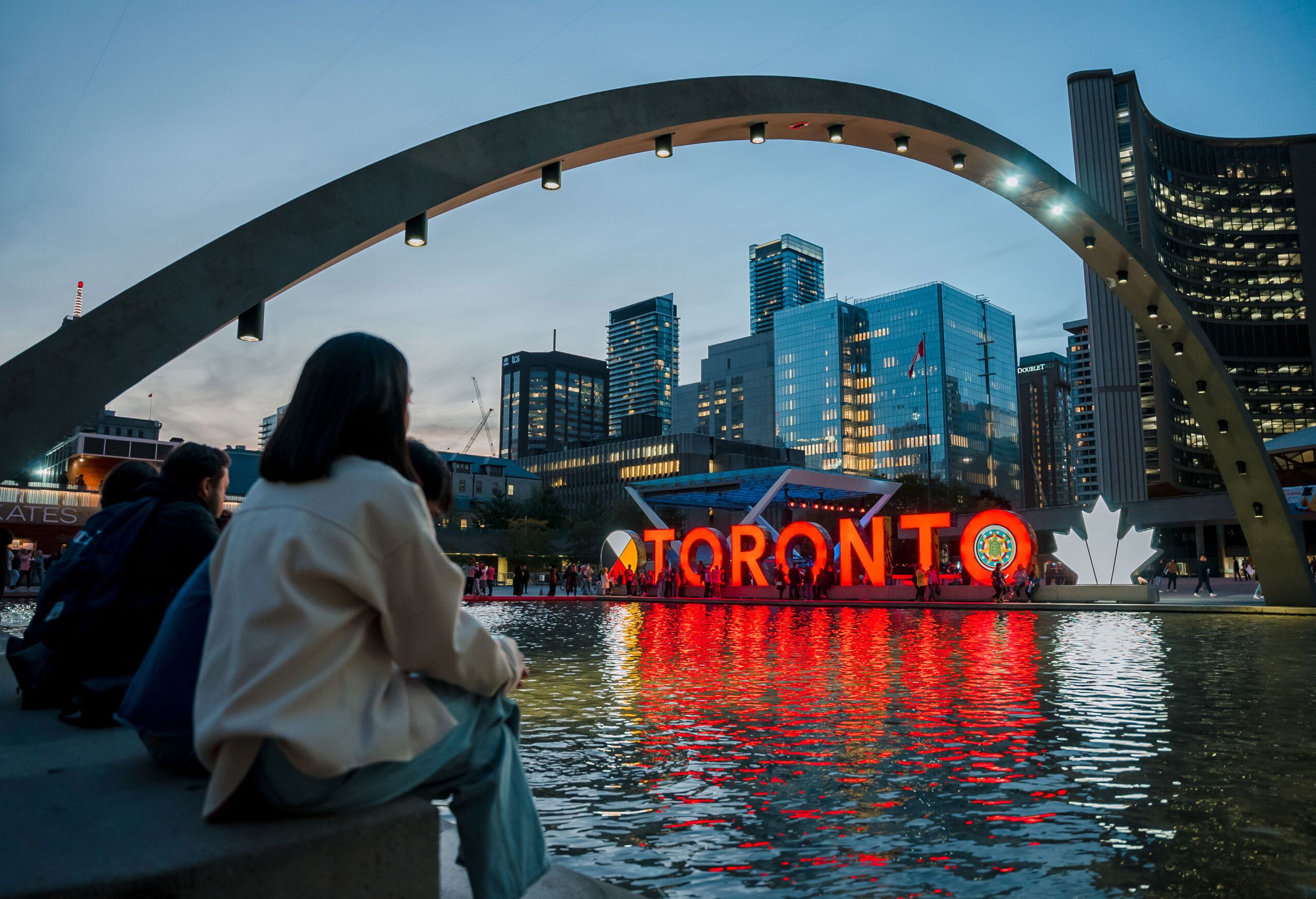
# Toronto's Singular Attractions: Why Canada's Urban Hub Resists Comparison
Toronto stands apart in North America's travel landscape through experiences rooted deeply in its specific geography, architecture, and multicultural identity. The city offers a collection of activities that reflect its position as Canada's largest metropolitan area, with attractions that rival global destinations while maintaining distinct local character.
The CN Tower defines Toronto's skyline and visitor experience in ways few structures do elsewhere. At 553 meters tall, this communications tower held the world record for highest free-standing structure for 34 years. Visitors ascend to observation decks offering 360-degree views across Lake Ontario, the Greater Toronto Area, and on clear days, across the U.S. border toward Niagara Falls. The EdgeWalk, a hands-on experience circling the tower's outside at 346 meters up, attracts thrill-seekers globally. The tower's restaurant rotates continuously, offering dining with unmatched panoramic backdrops. This combination of engineering spectacle, dining, and adrenaline activities cannot be replicated in competing North American cities.
Toronto's underground PATH system represents infrastructure tourism of unusual depth. This subterranean network connects 30 kilometers of walkways linking downtown office towers, retail complexes, hotels, and entertainment venues beneath street level. The PATH emerged from practical necessity, allowing Toronto residents to navigate downtown winters without outdoor exposure. Today it functions as a hidden city within the city, complete with shops, restaurants, galleries, and interconnected plazas. No other North American downtown offers comparable underground infrastructure at this scale.
The city's neighborhoods reflect authentic multicultural development rather than themed districts. Kensington Market buzzes with independent vendors selling global foods, vintage clothing, and handmade goods along narrow streets. Chinatown sprawls across blocks with restaurants, herbal medicine shops, and markets selling produce unavailable elsewhere in Canada. Little Italy, Little Portugal, Greektown, and numerous other ethnic enclaves developed organically through immigration waves and remain lived-in communities rather than tourist attractions retrofitted for visitors.
Toronto's cultural institutions hold substantial collections. The Royal Ontario Museum (ROM) combines natural history, world cultures, and art under one roof. The Art Gallery of Ontario (AGO) emphasizes Canadian artists alongside international works. The Distillery District, a pedestrian-only neighborhood of restored Victorian-era industrial buildings, hosts galleries, shops, restaurants, and theaters within authentic heritage architecture.
Waterfront development along Lake Ontario created accessible public spaces where Toronto residents and visitors swim, sail, and relax. The Toronto Islands, accessible via ferry from downtown, offer green space and beaches within the urban core. This lakefront access shapes the city's character in seasons and recreational opportunities.
Sports culture runs deep. The Toronto Maple Leafs (NHL), Toronto Raptors (NBA), Toronto Blue Jays (MLB), and Toronto FC (MLS) anchor professional sports identity. Catching a Raptors game at Scotiabank Arena during playoff season captures the intensity of Toronto's sports devotion in ways that transcend typical arena experiences.
Dining reflects Toronto's immigration patterns and economic position. The city supports Michelin-starred restaurants alongside hole-in-the-wall spots serving authentic regional cuisines. This range stems from genuine immigrant communities rather than culinary tourism marketing.
Toronto's lack of replicability comes from accumulated decisions spanning decades. The CN Tower, PATH system, waterfront investments, neighborhood development, and cultural institutions collectively create a destination that emerges from specific historical and geographic circumstances. Visitors seeking North American urban experiences centered on engineering, multiculturalism, and genuine neighborhood character find Toronto delivers authentically.