# Outsite Offers Purpose-Built Coliving for Digital Nomads Seeking Work-Life Balance
Digital nomads face a persistent problem: finding accommodation that delivers both reliable workspace and travel experiences without sacrificing productivity. Outsite solves this by offering dedicated coliving properties specifically designed for remote workers who refuse to choose between career and exploration.
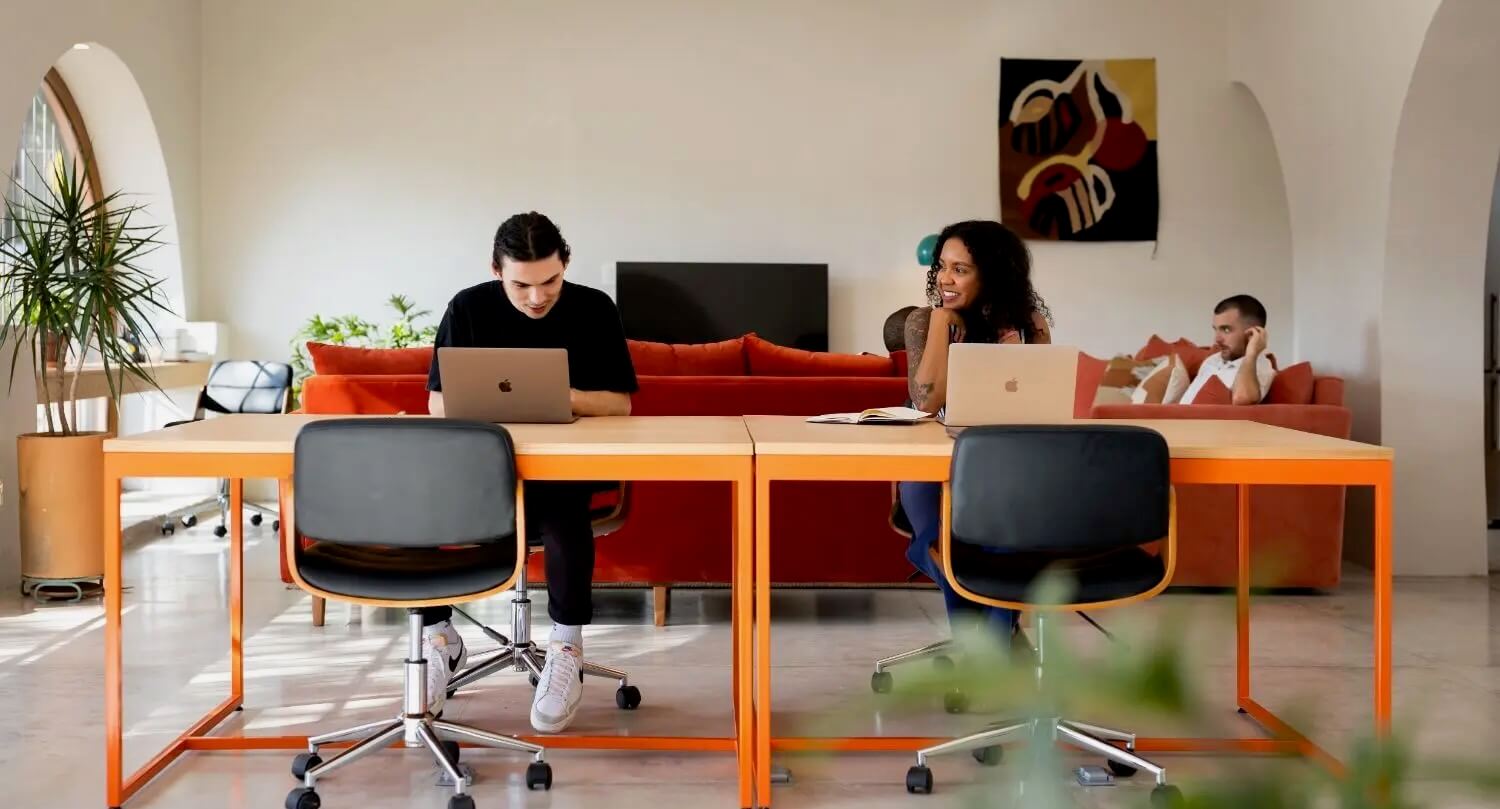
Outsite operates coliving spaces across multiple global destinations, combining private bedrooms with shared common areas, high-speed internet, and professional workspaces. Unlike traditional Airbnb rentals or generic hostels, Outsite properties include amenities that address the core pain point for remote workers. Gigabit-speed wifi, ergonomic desks, meeting rooms, and quiet zones eliminate the cafe-hopping dilemma that plagues digital nomads working from conventional accommodations.
The coliving model addresses a real gap in travel accommodation. Standard hotels offer workspace but lack community. Traditional hostels provide social connection but unreliable internet and noisy environments make work impossible. Vacation rentals demand constant property hunting and often deliver inconsistent wifi speeds. Outsite properties occupy the middle ground, providing structure without hotel sterility.
Outsite locations span destinations popular with remote workers. Properties operate in Mexico, including Playa del Carmen and Merida. Southeast Asian destinations like Chiang Mai, Thailand and Bali, Indonesia offer coliving spaces at lower price points than Western options. Central American locations in countries like Costa Rica and Guatemala appeal to budget-conscious nomads. Each location includes kitchen facilities for longer stays and community programming that builds friendships among guests.
Pricing structures work on flexible terms. Monthly stays typically cost between $800 and $1,800 depending on location and season. This undercuts many long-term hotel rates while providing superior workspace compared to budget accommodations. Weekly and short-term options exist but carry premium per-night rates.
The broader coliving movement reflects shifting travel demographics. Remote work expansion accelerated during the pandemic and stayed permanent for millions of workers. Airbnb and hotel booking platforms recognized demand but failed to deliver workspace quality. Dedicated coliving operators like Outsite, Selina, and Spaces emerged to capture this market segment. These companies understand that digital nomads need reliability, not just budget beds.
Outsite's appeal extends beyond workspace. Coliving properties attract like-minded professionals, creating organic networking within each location. Many residents form lasting friendships and professional collaborations. This community element differentiates coliving from solitary travel or traditional long-term rentals where isolation remains common.
The accommodation choice affects travel quality significantly. Outsite guests avoid the exhausting routine of finding cafes with adequate wifi, managing spotty connections during client calls, or working in noisy environments. Quality workspace means finishing work by evening, leaving daylight hours free for exploration and local experiences.
For nomads planning extended stays in single locations, coliving offers genuine value. Paying $1,200 monthly for a private room, reliable gigabit internet, professional desk, and community beats assembling this piecemeal through traditional channels. For travelers committed to remote work as lifestyle, Outsite properties represent the specialized accommodation category that understands their actual needs.