# Riding Valparaíso's Funiculars Offers Authentic Access to Chile's Colorful Port City
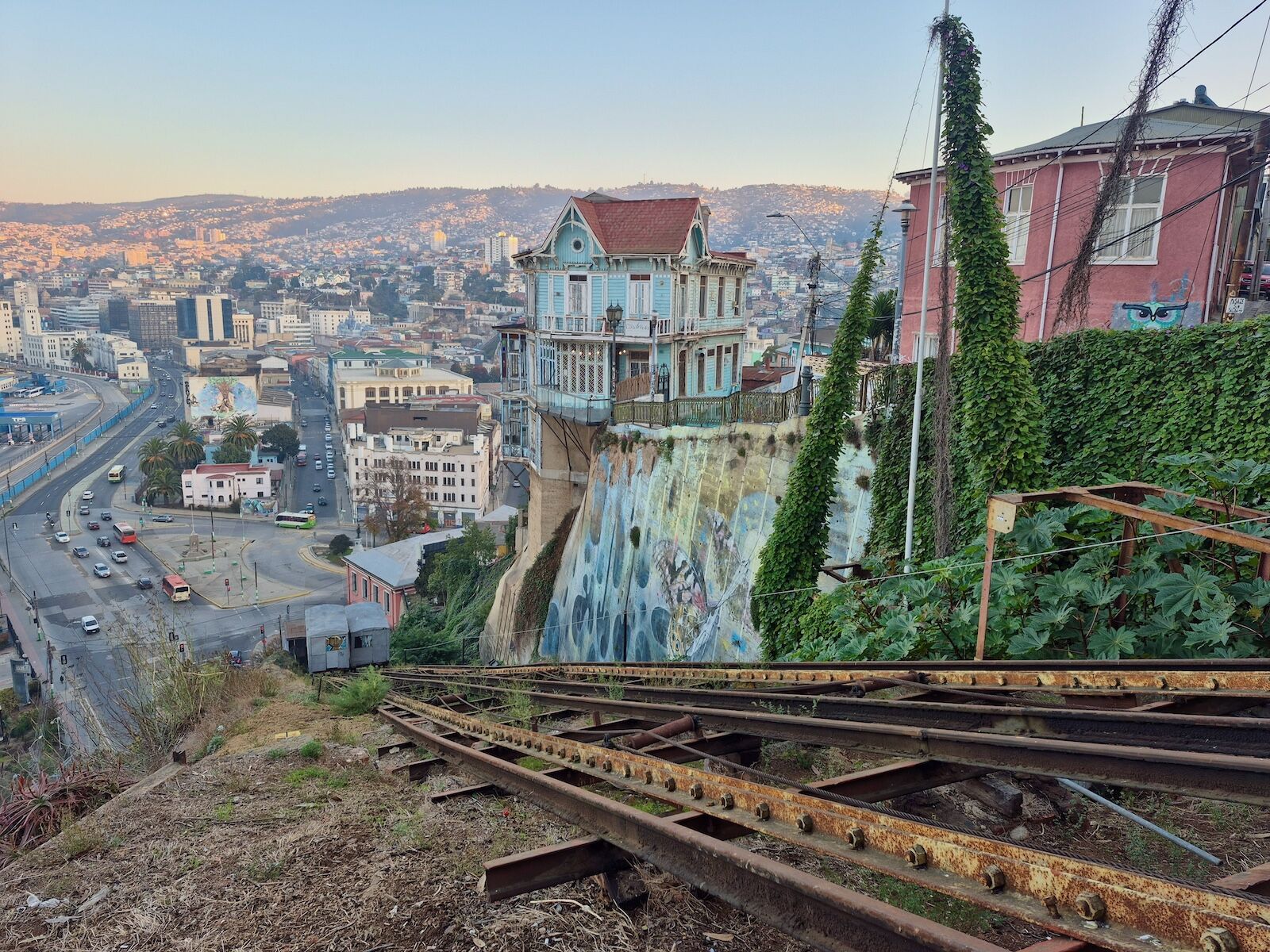
Valparaíso's historic funiculars reveal the soul of Chile's most artistic port city in ways that walking alone cannot match. These cable-operated elevators, known locally as ascensores, connect the bustling lower waterfront district to the hilltop neighborhoods where pastel-colored houses cling to steep terrain. They represent more than transportation. They embody the city's 19th-century engineering ambition and remain essential to how locals navigate their vertical landscape.
The Ascensor Artillería ranks among the most iconic. Built in 1893, it climbs through a tunnel carved directly into the hillside, depositing passengers at a viewpoint overlooking the Pacific. The journey takes three minutes. The experience transports travelers back to an era when Valparaíso competed with San Francisco as a Pacific powerhouse. Other restored funiculars include the Ascensor Concepción, which opened in 1881, and the Ascensor Polanco, finished in 1914. Each one serves a working neighborhood rather than existing purely for tourism.
Riding these funiculars costs under 1,000 Chilean pesos, roughly $1.20 USD. This affordability makes them accessible to budget travelers and locals alike. The rides themselves take visitors directly into residential areas where street art explodes across facades and laundry flutters from balconies. Cafes and small galleries operate at the top. The experience differs radically from sanitized tourist routes through Cerro Alegre or Cerro Concepción, though those neighborhoods also merit exploration.
Valparaíso itself sits 75 miles northwest of Santiago, reachable by a two-hour bus ride on routes operated by Turbus or Pullman. International visitors typically arrive through Santiago's Comodoro Arturo Merino Benítez International Airport. Budget accommodations cluster around the port, with hostels like Casa Tespis offering dorm beds for $15-20 nightly. Mid-range hotels such as the Ultramar or Somerville offer better comfort for $60-80 per night. The city's UNESCO World Heritage status reflects its architectural and cultural value rather than contemporary luxury infrastructure.
The funiculars operate daily, though service hours vary by ascensor. Morning visits catch neighborhoods in their authentic rhythm before tour groups arrive midday. This timing proves especially valuable for photographing street art and meeting residents at small cafes perched at hilltop stations. The Ascensor Artillería tends to draw larger crowds but rewards early arrivals with solitude and better light.
Valparaíso's funicular network faces ongoing restoration challenges. Several historic elevators remain closed pending funding and engineering assessments. This reality reinforces why experiencing these rides while they operate matters. Each journey supports the infrastructure's maintenance and signals to Chilean authorities that preservation merits investment. Travelers willing to abandon guided tours for self-directed exploration using these mechanical elevators discover Valparaíso as it actually functions. The journey uphill, measured in minutes rather than hours, bridges a century-old gap between the port and the hills that define this irreplaceably bohemian city.