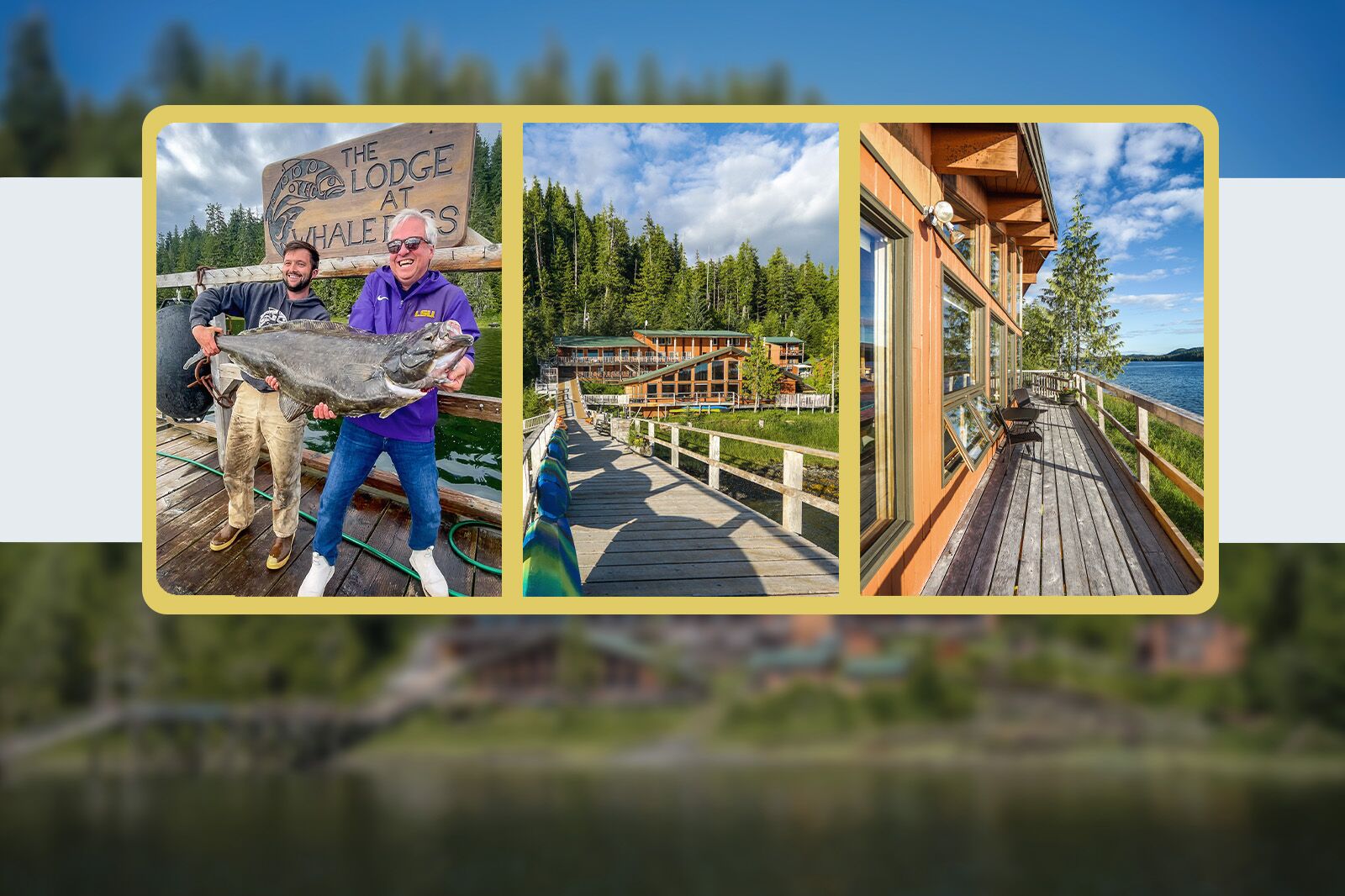
# Alaska's Most Flexible Lodge Abandons the Itinerary for Guest-Driven Adventures
An Alaska wilderness lodge is rewriting the rules of structured travel by eliminating preset schedules entirely. Instead of following a rigid daily agenda, guests at this remote property work with guides each morning to design their own itinerary based on weather, wildlife sightings, mood, and spontaneous desires.
This approach challenges the traditional all-inclusive lodge model that dominates Alaska's backcountry tourism. Most luxury wilderness properties in Alaska, from those near Denali to the Inside Passage, operate on fixed schedules. Guests book fishing expeditions, helicopter tours, or hiking excursions weeks in advance. This lodge flips that model. Wake up, talk to your guide, then decide whether today calls for fishing, wildlife photography, kayaking, or simply sitting by the water with binoculars.
The flexibility matters for several reasons. Alaska weather shifts rapidly and unpredictably. A schedule built weeks ago might have guests outside during driving rain while clear skies call from the lodge kitchen. The guest-decides approach means guides can chase optimal conditions. If bears congregate near a salmon stream at dawn, the group pivots toward that opportunity. If an eagle nesting area becomes accessible, plans change accordingly.
This model also acknowledges psychological reality. Some mornings you crave action and adventure. Other mornings you want tea, a book, and silence. Most travelers have experienced the frustration of being locked into a preset activity when energy or interest has shifted. By eliminating that constraint, the lodge reduces a common source of traveler frustration.
The flexibility extends to pacing too. Traditional lodges often schedule activities with precision: 8 a.m. departure, 5 p.m. return, dinner at 7 p.m. This property allows guests to spend four hours at a single location if wildlife activity warrants it, or to return early if everyone feels satisfied. The absence of clock-watching creates space for deeper immersion in wilderness experience.
Cost structure likely remains consistent with other premium Alaska lodges, which typically run between $4,500 and $8,000 per person per night for all-inclusive packages. The guest-directed approach does not reduce operational costs. Guides still work full days. Meals still require preparation. Boats still consume fuel. What changes is the quality of guest experience and the likelihood that visitors get the exact adventure they traveled for.
This model appeals to experienced travelers and outdoor enthusiasts who know what they want but also value spontaneity. First-time Alaska visitors seeking structure and clear expectations might feel less served by the open-ended format. Families with children may appreciate having activities outlined in advance.
The lodge's philosophy reflects broader travel trends. Travelers increasingly reject one-size-fits-all itineraries. Customization and personalization matter more than comprehensive services. Remote work enables longer stays with flexible daily rhythms. Younger travelers especially prioritize experiences that feel authentic and self-directed over those that feel manufactured or predetermined.
This Alaska lodge recognizes that the wilderness itself provides the real schedule. Weather patterns, animal behavior, and seasonal rhythms drive the actual day. Working with those forces rather than against them produces better outcomes for everyone involved.