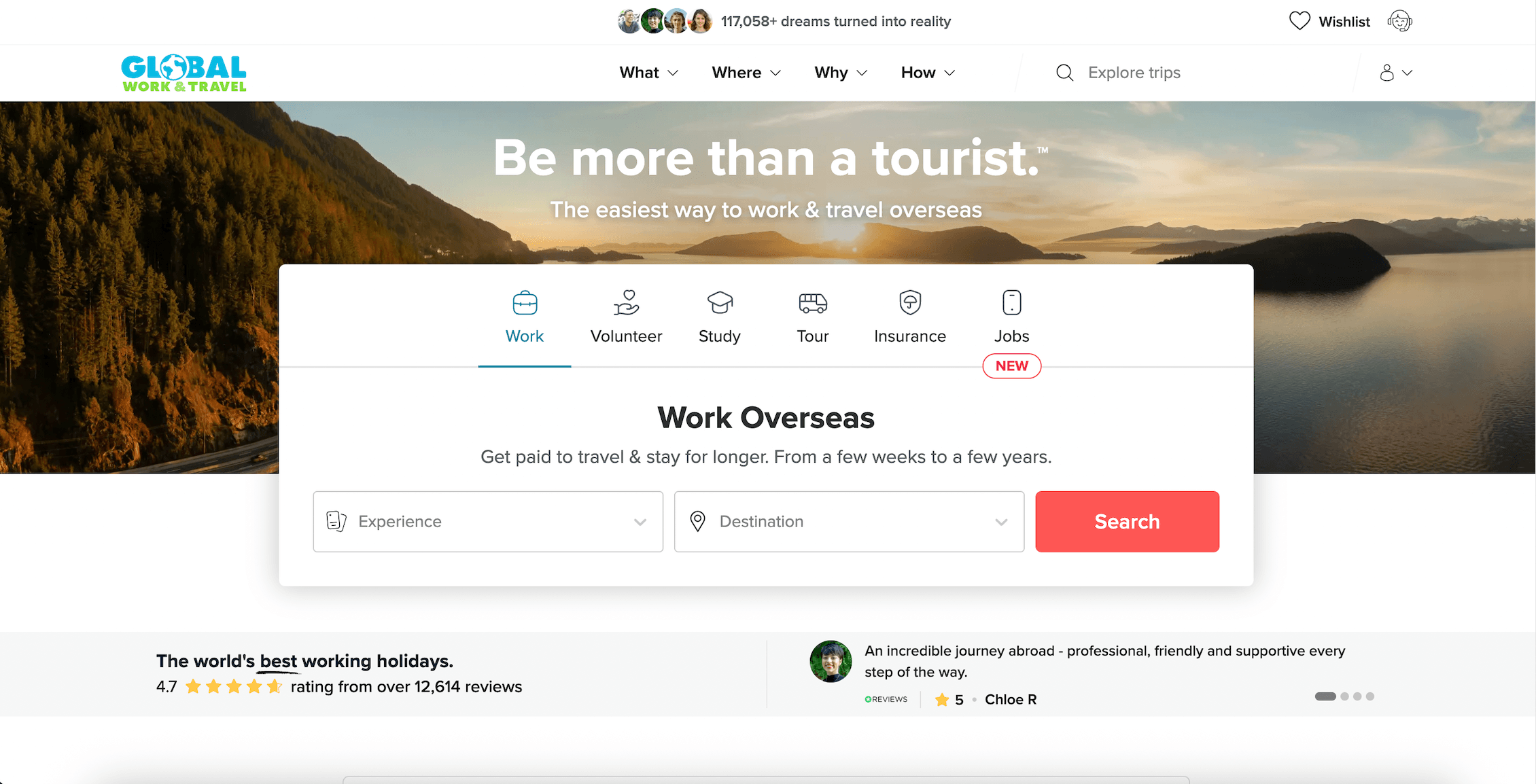
# Work Travel Platforms Transform How Nomads Build Income While Exploring the World
The travel industry has entered a new era where passive tourism gives way to active engagement. Rather than following guidebook itineraries and snapping identical photos at famous landmarks, a growing number of travelers now seek meaningful work opportunities abroad that deepen their connection to destinations while generating income.
This shift reflects a broader trend in travel: the rise of digital nomadism and work-travel platforms that connect remote workers, seasonal staff, and skilled professionals with employers worldwide. Companies specializing in this space address a fundamental challenge for modern travelers. Traditional tourism depletes wallets quickly. Working while traveling extends budgets, creates authentic local relationships, and transforms the visitor experience from passive consumption to active contribution.
The work-travel sector encompasses multiple models. Some platforms focus on seasonal positions in hospitality, agriculture, and tourism sectors. Others cater to digital professionals seeking coworking spaces and visa-friendly destinations. Still others pair travelers with short-term projects ranging from teaching English to environmental conservation work.
What makes this sector valuable now involves several converters. Remote work infrastructure has matured. Internet connectivity reaches deeper into traditionally isolated regions. Visa policies in countries like Portugal, Mexico, and Thailand now accommodate digital workers explicitly. Employers face labor shortages in hospitality and seasonal industries, opening doors for traveling workers. Finally, the financial equation changed. A $30,000 annual income covers comfortable living in Southeast Asia, Central America, and Eastern Europe while remaining tight in North America or Western Europe.
Platform quality varies dramatically. Some operations lack transparency about pay, working conditions, or employer legitimacy. Others charge excessive fees. The best platforms vet employers, guarantee minimum wages, provide visa guidance, and maintain community forums where users share real experiences.
Travelers considering this path should evaluate several factors before committing. Visa regulations matter enormously. Some countries prohibit paid work for tourist visa holders, while others embrace digital nomads explicitly. Understanding local labor laws prevents legal complications. Platform reputation directly impacts experience quality. Reading reviews from previous users reveals payment reliability, support responsiveness, and employer professionalism.
Geographic arbitrage remains the primary financial driver. An English teacher in Thailand earning $20 per hour achieves middle-class comfort. The same hourly rate in San Francisco produces poverty. Seasonal work in Australia's agriculture sector or New Zealand's fruit farms pays substantially more than similar positions in developing nations but involves physical demands and strict visa conditions.
The work-travel space also attracts skeptics concerned about labor exploitation. Legitimate platforms maintain employment standards, prevent wage theft, and support workers facing disputes. Less scrupulous operations exploit travelers desperate for income, offering positions with inadequate pay, unsafe conditions, or housing violations.
For travelers ready to transition beyond passive tourism, work-travel platforms offer pathways to extended journeys, deeper cultural immersion, and sustainable adventure. Success requires research, realistic expectations, and careful platform selection. The reward justifies the effort: travel that funds itself while creating genuine connections with communities rather than merely passing through them.