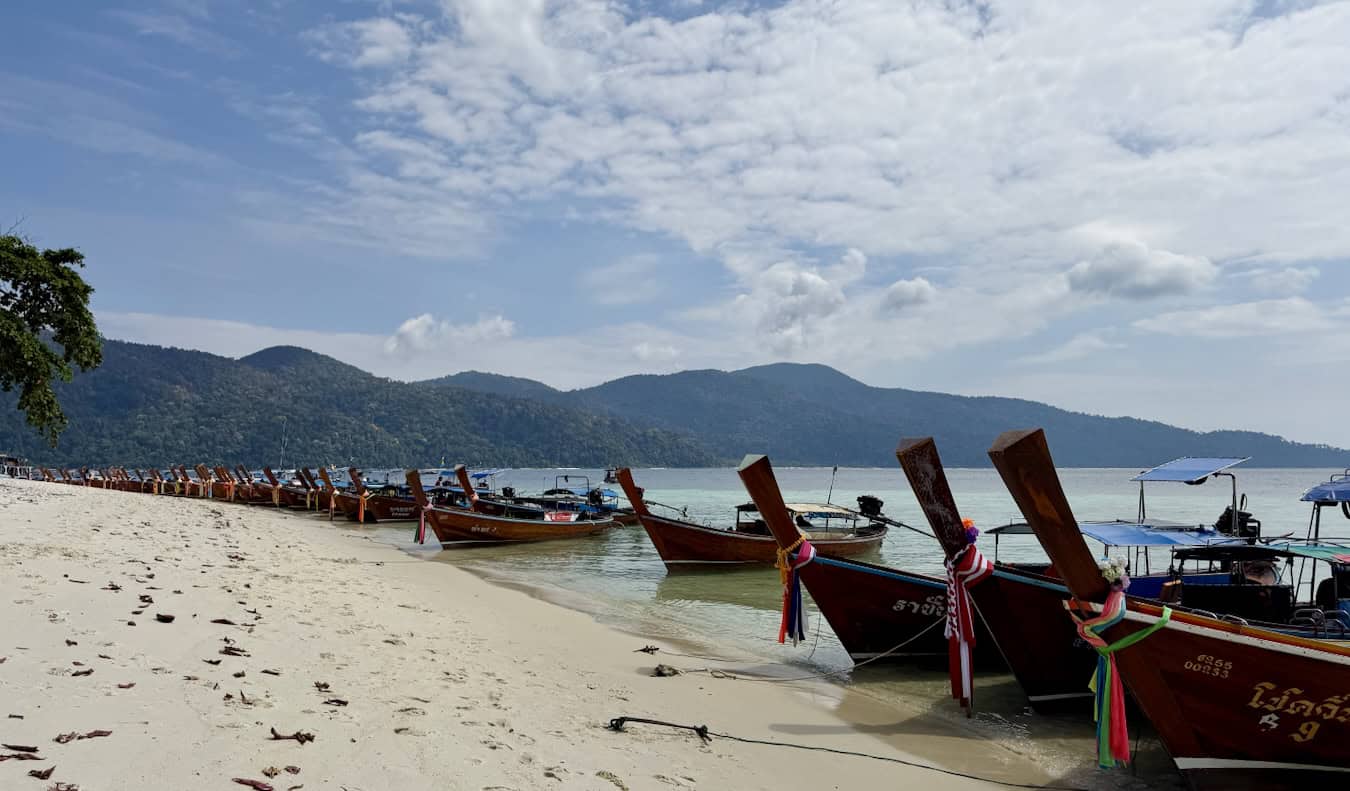
# Ko Lipe's Transformation: Why Thailand's Island Paradise No Longer Delivers
Ko Lipe has undergone a dramatic metamorphosis over the past two decades. The Thai island that once offered travelers a glimpse of untouched Southeast Asian beauty in 2006, with sporadic electricity and rustic beachfront bungalows, now bears little resemblance to its former self. A travel journalist who returned after 19 years discovered an island caught between its authentic past and an overcrowded present, raising serious questions about whether Ko Lipe still merits a spot on your itinerary.
The transformation reflects a larger pattern reshaping Thailand's tourism landscape. What began as a hidden gem accessible only to serious adventurers has become a victim of its own popularity. Infrastructure improvements that seemed beneficial have instead accelerated development beyond sustainable levels. The island now features reliable electricity, paved roads, and abundant accommodation options, but these conveniences arrived alongside a tourism explosion that fundamentally altered its character.
Ko Lipe sits in the Andaman Sea within Satun Province, technically within the Tarutao National Marine Park. For nearly two decades after its quiet emergence as a backpacker destination, the island remained deliberately underdeveloped. This isolation created a specific appeal for travelers seeking genuine escape. Basic bungalows operated by local operators lined pristine beaches. Dining options centered on simple seafood prepared fresh daily. The island culture remained rooted in local traditions rather than tourist convenience.
Today's Ko Lipe operates in an entirely different ecosystem. The island hosts hundreds of accommodation properties ranging from budget guesthouses to mid-range resorts. Dive operators, tour companies, and Western restaurant chains now dominate the economic landscape. Beach crowding during peak season renders the once-serene shorelines unrecognizable. The fundamental tranquility that attracted original visitors has vanished.
This story echoes across Thailand's tourism hotspots. Islands like Koh Samui, Phuket, and Railay Beach experienced identical trajectories. Each destination followed the same pattern: discovery by backpackers, infrastructure investment, mass tourism influx, and eventual saturation. Ko Lipe represents what happens when that cycle completes unchecked.
The practical implications matter for trip planning. Travelers seeking authentic Thai island experiences should look beyond Ko Lipe's tarnished reputation. Alternative destinations within Satun Province offer similar marine environments with substantially fewer crowds. Koh Rawi, Koh Adang, and other nearby islands within the national marine park still maintain quieter atmospheres. Getting there requires longer boat journeys from Pak Bara or Hat Yai, but the reduced tourism intensity makes the effort worthwhile.
Budget considerations have shifted dramatically. Accommodation prices on Ko Lipe have climbed steadily as development accelerated. Rooms that once cost $8-15 per night now command $40-80 for comparable standards. Dining expenses follow similar patterns. The island's cost-effectiveness as a backpacker destination has largely disappeared.
For travelers planning Southeast Asia itineraries, Ko Lipe serves as an instructive cautionary tale. Popular destinations follow predictable trajectories that rarely end well for what made them special initially. The island's 19-year evolution demonstrates that tourist saturation destroys the qualities attracting visitors in the first place. Sometimes the best travel decision involves skipping the famous spot entirely and seeking alternatives that still preserve the magic tourism inevitably destroys.