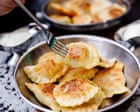
# The Quest for Authentic Pierogi in Gdańsk: Why Poland's Beloved Dumplings Deserve a Second Look
A travel journalist who once lived in Poland returns to the Baltic coast with renewed purpose. Gdańsk, the charming medieval port city on the North Sea, becomes the setting for a culinary conversion story centered on pierogi, the iconic Polish dumpling that has eluded appreciation until now.
The writer previously worked in Poznań, Poland's western city, during a stint at a fish-and-chip shop that paid £1.50 per hour. Despite the low wages, that chapter of life revealed Poland's extraordinary food culture. Chicken broth with noodles, herring preparations, enormous pork knuckles, and cold beetroot soup that outshines gazpacho all earned praise. Yet pierogi remained an outlier, a dish the author appreciated intellectually but never emotionally embraced.
Gdańsk serves as the perfect setting to reconsider this stance. The city's UNESCO-listed Old Town, rebuilt after World War II destruction, sits along the Motława River and draws millions of tourists annually. Its main square, the Long Market, bustles with amber shops, seafood restaurants, and traditional Polish eateries. The architecture, with its towering merchant houses painted in rust, cream, and gold, creates an atmosphere where food feels inseparable from history and culture.
Pierogi represent more than mere carbohydrate shells filled with potato, cheese, or meat. In Polish tradition, they occupy quasi-religious status, passed down through generations and prepared for holidays, celebrations, and ordinary weeknight dinners alike. Regional variations abound. Silesian pierogi feature potato and caramelized onion. Żyrardów-style versions include mushroom and barley combinations. Sweet versions with fruit fillings appear at dessert.
Tourism to Gdańsk has accelerated since Poland's EU accession in 2004. Direct flights from London, Berlin, and other European cities arrive at Gdańsk Lech Wałęsa Airport multiple times daily. Budget carriers like Ryanair and Wizz Air have made access affordable. Hotel chains including Radisson Blu, Hilton, and Pod Orłem Historic Hotel occupy prime locations alongside family-run guesthouses priced under €100 per night.
The city's restaurant scene reflects this tourism surge. Establishments ranging from casual milk bars, the Soviet-era cafeterias that now serve as heritage attractions, to fine dining venues like Goldwasser or Świeżo feature pierogi prominently. Street vendors sell them from carts in the Long Market. Food tours have become standard offerings for visitors seeking authentic culinary experiences.
This journey into pierogi represents a broader travel trend: the search for culinary redemption in familiar destinations. Travelers return to places where they previously missed critical experiences, armed with fresh perspective and genuine curiosity. Poland, long overlooked by Western European tourists in favor of Prague or Budapest, attracts growing numbers seeking authentic Slavic culture without the overtourism premium.
Gdańsk particularly benefits from this shift. Its position as a Baltic gateway, combined with lower costs than Western European equivalents, draws budget travelers and luxury tourists alike. Three-course meals with wine cost €25 to €40, dramatically cheaper than Scandinavia. Direct flights from most UK airports run £30 to £80 return on budget carriers.
The pierogi quest becomes a metaphor for travel itself. Returning to old ground with openness to previously dismissed experiences often yields unexpected discoveries. Whether Gdańsk's pierogi prove transformative remains to be seen, but the willingness to reconsider old assumptions separates meaningful travel from mere sightseeing.