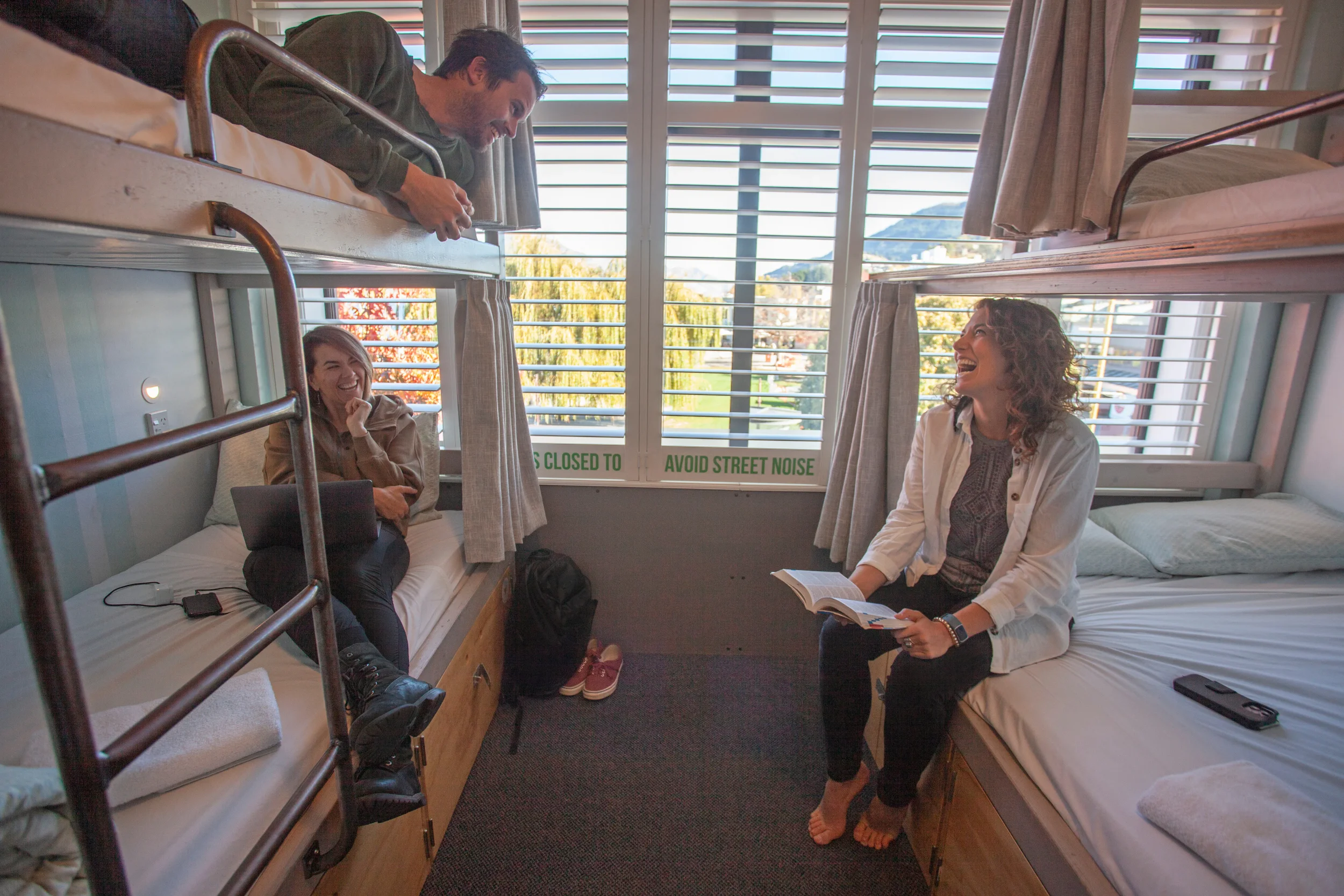
# Managing Noise Disruption in Hostel Dorm Rooms
Shared dorm accommodation creates predictable sleep chaos. The 3am symphony of rustling plastic bags, international video calls, and cascading alarm clocks torments budget travelers nightly across hostels worldwide. Hostelworld's guide addresses this universal backpacker problem with practical solutions that protect sleep without destroying dorm room camaraderie.
Dorm rooms remain the default choice for budget travelers. A bed in a shared eight-bed room at popular hostels like ClinkNOORD in Amsterdam costs around 20-30 euros per night, versus 80-120 euros for a private room. This savings attracts millions annually, but noise becomes the price of that economy. Hostelworld data shows noise complaints rank among the top grievances in guest reviews, trailing only cleanliness and staff responsiveness.
The noise sources are universal and predictable. Travelers with different schedules create constant disruption. Night owls return after parties. Early risers depart for sunrise tours. International guests maintain family call schedules across time zones. Phone alarms proliferate because people set multiple backups, fearing hostel clocks run behind. Suitcase rustling and bathroom use follow no schedule in a room housing eight strangers.
Addressing the problem starts with preparation. Quality earplugs become non-negotiable. Standard foam earplugs cost under five dollars but reduce noise by 20-30 decibels. Noise-canceling earbuds like Apple AirPods Pro run 249 dollars but deliver superior isolation. Many experienced budget travelers pack both options. A white noise app on a phone speaker masks disruptive sounds effectively.
Communication matters before conflict escalates. Polite conversation with noisy roommates often resolves issues immediately. Most people remain unaware they disturb others. A simple request to take loud calls into the hallway or silence phone alarms typically works. Hostel staff can mediate if direct communication fails. Most facilities enforce quiet hours between 10pm and 8am, and management will enforce policies when called.
Switching rooms addresses persistent problems. Hostel staff relocate guests to different dorms with minimal hassle. Request a room farther from common areas and stairwells. Higher floor rooms near elevators experience more traffic noise. Ask specifically for a quieter zone when booking or upon arrival.
Earplugs plus white noise plus a polite conversation solve 95 percent of dorm room noise problems. The remaining five percent require room changes. Accepting some noise disruption comes with budget accommodation territory. Hostels like Circus Circus in Rome or Generator in Berlin excel at community but sacrifice perfect quiet.
Solo travelers and couples experience noise differently. Solo travelers can relocate easily, while couples might prefer absorbing minor disruption to separate sleeping arrangements. Budget travelers weighing money against sleep quality face an honest choice. Private rooms at budget chains like Safestay in London or easyHotel start around 50-70 euros nightly. Adding quiet to a trip might justify that cost difference.
The hostel experience rewards tolerance and preparation. Earplugs, apps, and direct communication transform potential misery into acceptable background irritation. Sleep quality improves dramatically with one of these interventions, making the budget savings feel worth defending.