# Exploring London on Foot: Eight Essential Walks Beyond the Typical Tourist Trail
Walking remains the best way to experience London. The city rewards pedestrians with unexpected discoveries around every corner, from world-class museums to tucked-away cafes and Georgian townhouses. Whether you're visiting for the first time or rediscovering familiar neighborhoods, these eight walks unlock both famous landmarks and lesser-known corners that define London's character.
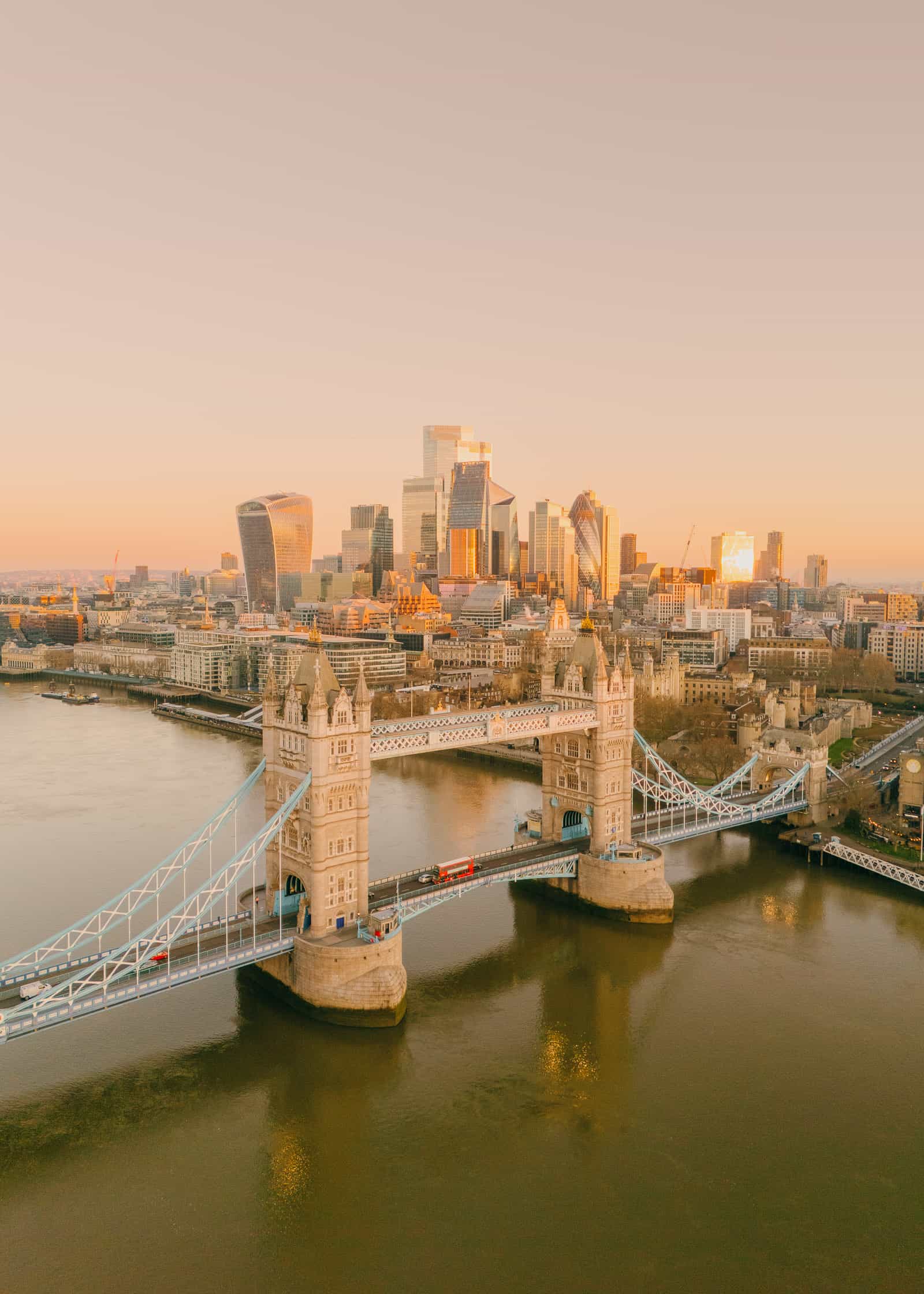
Central London's iconic sites anchor several must-do routes. The Thames Path offers continuous views of the river, connecting Westminster Abbey, Big Ben, and the Houses of Parliament with Tower Bridge and the Tower of London. This waterfront corridor spans roughly five miles and takes walkers past the London Eye, Shakespeare's Globe Theatre, and the Tate Modern.
For those seeking London's royal heritage, walks through Kensington and Chelsea neighborhoods reveal palaces and period architecture. Kensington Palace sits within sprawling gardens, while nearby streets showcase the townhouses that define London's wealthiest postcodes. The walk connects naturally to the Victoria and Albert Museum and the Natural History Museum, both free to enter.
East London walking routes contrast sharply with the West End's formality. Street art and independent boutiques define neighborhoods like Shoreditch and Brick Lane. These areas pulse with creative energy, vintage shops, and markets that cater to younger travelers and those seeking contemporary London culture rather than historical monuments.
Historic neighborhoods like Bloomsbury attract literary enthusiasts. This intellectual quarter housed Virginia Woolf, Charles Dickens, and Sylvia Plath at various points. Walking tours here pass the British Museum, elegant Georgian squares, and the independent bookshops that still define the area's bohemian character.
Hidden gem walks take explorers to areas less featured in guidebooks. Hampstead Heath offers highland views across London, accessible via the charming village of Hampstead with its independent cafes and bookstores. Notting Hill's pastel-painted Victorian terraces and weekend markets provide Instagram-worthy moments alongside working-class authenticity that remains despite gentrification.
South London walks around Borough Market and the South Bank Cultural Quarter showcase the city's food scene and arts infrastructure. Southwark Cathedral and the nearby Golden Hinde replica offer history, while contemporary galleries and performance spaces reflect London's living cultural landscape.
Planning logistics matters for extended urban walks. Wear comfortable shoes suitable for London's often-wet pavements. British weather demands layers and a compact umbrella. The Oyster Card travel system works across all London transport, allowing walkers to use buses to skip lengthy sections or return to starting points when fatigue sets in.
Walking London costs nothing beyond tube fares between neighborhoods. Most museums charge no entry fee, though donations are encouraged. Independent cafes throughout these neighborhoods offer affordable coffee and lunch options well below West End restaurant prices.
Seasonal timing affects the walking experience. Spring and autumn offer mild temperatures and clearer skies. Summer brings extended daylight hours, enabling longer explorations. Winter crowds thin considerably, though grey skies dominate.
These eight walks encompass roughly 20 to 25 miles of London's most walkable terrain. Combine them across several days rather than attempting them consecutively. This approach lets walkers absorb neighborhoods properly while discovering personal favorite streets and unexpected destinations.