# Walking Spain's Pueblos Blancos: A Hiker's Journey Through Andalucía's White Villages
The Sierra de Grazalema natural park in southern Spain delivers one of Europe's most rewarding walking experiences. Hikers traversing the famous pueblos blancos, or white villages, encounter dramatic limestone peaks, wildlife-rich river valleys, and centuries of Spanish history compressed into a few square kilometers of Andalucía.
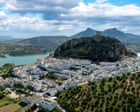
Zahara de la Sierra anchors this walking circuit. The village perches on a hilltop crowned by a 12th-century castle that dominates the landscape for miles. Inside the castle museum, visitors encounter the Reconquista, that 400-year military campaign when Catholic monarchs systematically reclaimed southern Spain from Moorish rule. The Moors held Zahara and the surrounding region for seven centuries before losing ground in the 1400s. Walking the cobbled streets afterward, that history feels present, not distant.
The pueblos blancos themselves define the region. These whitewashed villages cling to steep hillsides, their cubic houses tumbling downward like a Cubist painting. The whitewash serves practical purposes: it reflects the brutal Andalusian heat and historically helped villagers spot approaching raiders from North Africa. Today, it creates villages of startling visual coherence, especially at sunrise or sunset when golden light plays against the walls.
The walking routes themselves prove the real attraction. Trails wind through limestone valleys where nightingales sing at dusk, a soundtrack that transforms evening walks into transcendent experiences. The natural park protects one of Iberia's most biodiverse regions. Hikers spot Iberian ibex, Egyptian vultures, and golden eagles. Spring brings wildflowers. The landscape shifts constantly as paths descend into green river valleys thick with vegetation, then climb to exposed ridges with 360-degree views.
Several pueblos blancos merit inclusion in any walking itinerary beyond Zahara. Grazalema itself sits at 823 meters elevation and receives more rainfall than any other Spanish municipality, feeding the lush vegetation that surrounds it. Villaluenga del Rosario, perched at 938 meters, offers perhaps the most dramatic hilltop setting. Benaoján combines cave systems with walking access to dramatic gorges. Most villages remain genuinely rural, lacking the tourist infrastructure of larger Spanish hill towns. Restaurants serve local goat cheese and mountain jamón. Accommodations run to rural guesthouses and agriturismos rather than chain hotels.
The walking season runs October through May, when temperatures stay moderate and rainfall refreshes the landscape. Summer heat, often exceeding 35 degrees Celsius, makes midday hiking punishing. Most trails range from moderate to difficult, requiring solid fitness and proper footwear on rocky terrain. A good hiking guide proves essential, as many routes lack clear signage.
Getting there requires planning. The nearest major city, Cádiz, sits roughly 90 kilometers away. Renting a car from Málaga or Seville provides maximum flexibility. Regional buses connect larger pueblos, but schedules prove sparse. Once settled in a village base like Zahara or Grazalema, hikers can spend three to five days exploring different trails without moving accommodations.
The pueblos blancos attract European hikers increasingly seeking alternatives to overcrowded Mediterranean coasts. Local tourism operators in Zahara and Grazalema can arrange guided walks, packed lunches, and multi-day itineraries. The combination of accessible hiking, genuine rural culture, and dramatic natural scenery creates an experience that rewards the effort required to reach this corner of Andalucía.