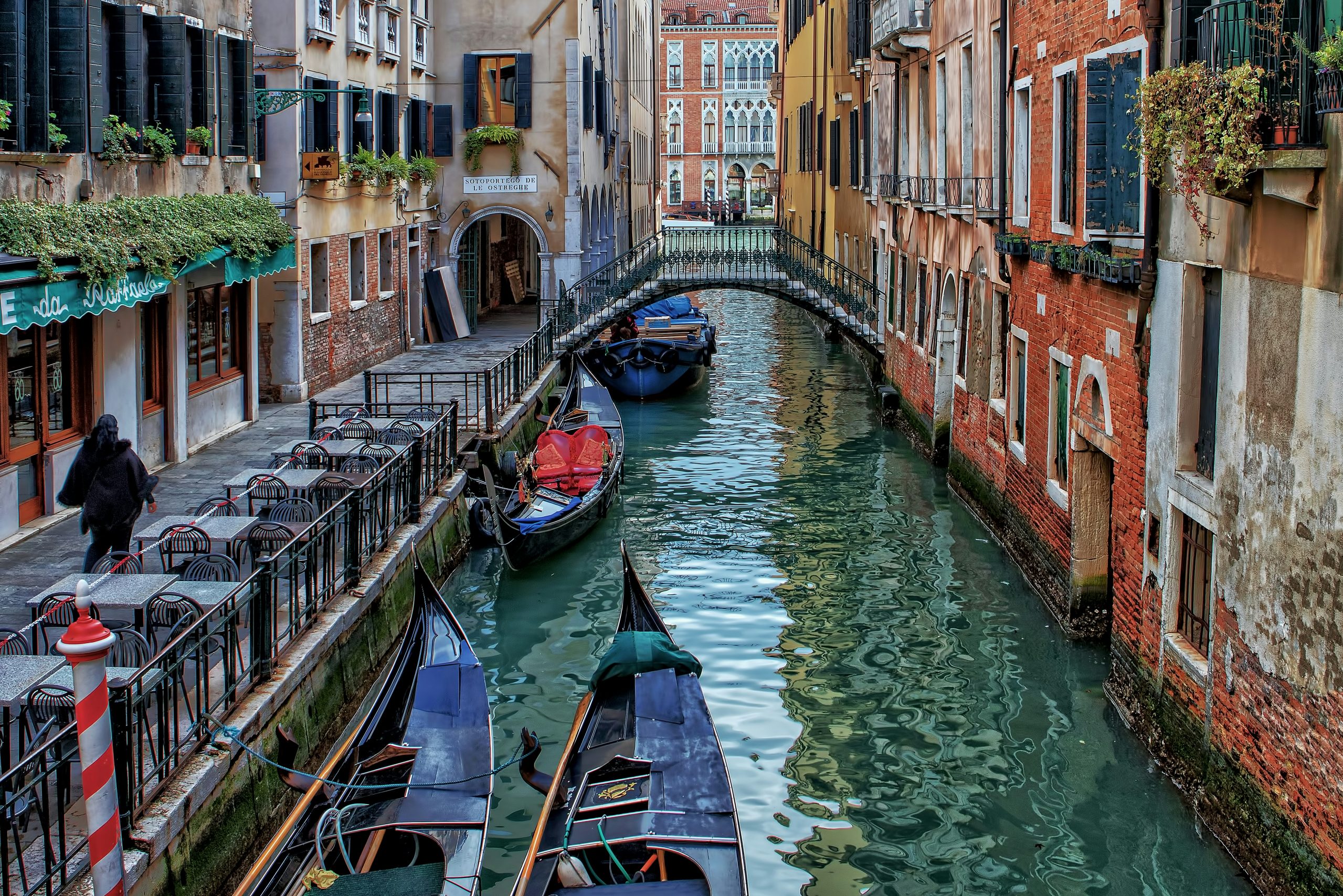
Venice carries a deserved reputation for draining traveller budgets. A gondola ride costs €90. A coffee runs €7 if you sit at the wrong café table. A single water bus ticket exceeds what many hostels charge for breakfast. The city's famous canals and Renaissance architecture come with premium price tags that deter budget-conscious visitors.
But Venice offers substantial free experiences that rival its paid attractions. The city reveals itself to walkers willing to abandon the main tourist corridors and canal-side establishments.
Start with the Basilica di San Marco. Entry to this 11th-century Byzantine masterpiece sits free during specific hours, though crowds peak in early afternoon. The basilica's golden mosaics, marble floors, and soaring domes justify the wait. Arrive early morning or late afternoon to navigate with fewer tourists.
Wander the Rialto Bridge without paying anything. This iconic 16th-century structure spans the Grand Canal and connects the city's two main districts. Explore the surrounding market squares. Watch vendors sell fresh produce and seafood as they have for centuries. The energy costs nothing to absorb.
Stroll through smaller piazzas and campos throughout the city. Piazza San Rocco, Campo Santa Margherita, and Campo Santo Stefano offer genuine Venetian atmosphere without tourist markups. Locals gather here for evening aperitivos. Street musicians perform. The pace slows. This is free Venice.
Take the vaporetto (water bus) like a resident, not a tourist. Yes, rides cost €10 for a single journey, but a 24-hour pass runs €20. Use it to reach the outer islands. Murano produces famous Venetian glass, and watching artisans work costs nothing. Burano displays pastel-coloured houses and lace-making heritage without admission fees. Torcello holds ancient Byzantine churches with minimal crowds and no entrance charges.
Walk the lesser-known canals in Cannaregio and Castello districts. Fewer tourists venture here. Canal-side residents hang laundry between buildings. The light hits water differently. This Venice feels lived-in rather than performed.
Visit churches beyond San Marco. The Basilica di Santa Maria della Salute welcomes visitors free of charge. Its octagonal marble dome dominates the entrance to the Grand Canal. The Church of San Giorgio Maggiore sits on its own island and charges nothing to enter.
Time your visit to avoid peak season. August brings crushing crowds and highest prices. April, May, October, and November offer better value and thinner tourist masses. Winter months from November through March bring rain and occasional acqua alta (high water flooding), but also dramatic price drops and authentic Venetian life.
Stay in Mestre, Venice's mainland district connected by a 10-minute train ride. Hotels and hostels here cost 40 to 60 percent less than Venice proper. Eat away from San Marco Square and Rialto Bridge. Small restaurants in residential neighbourhoods charge €8 to €12 for pasta dishes. Venetians shop and eat here.
Venice's costs stem from scarcity and demand, not necessity. The city sits on water with limited space and centuries of fame. Budget travellers thrive here by walking extensively, eating strategically, choosing free cultural spaces, and embracing the unpolished neighbourhoods where actual Venetians spend their days.