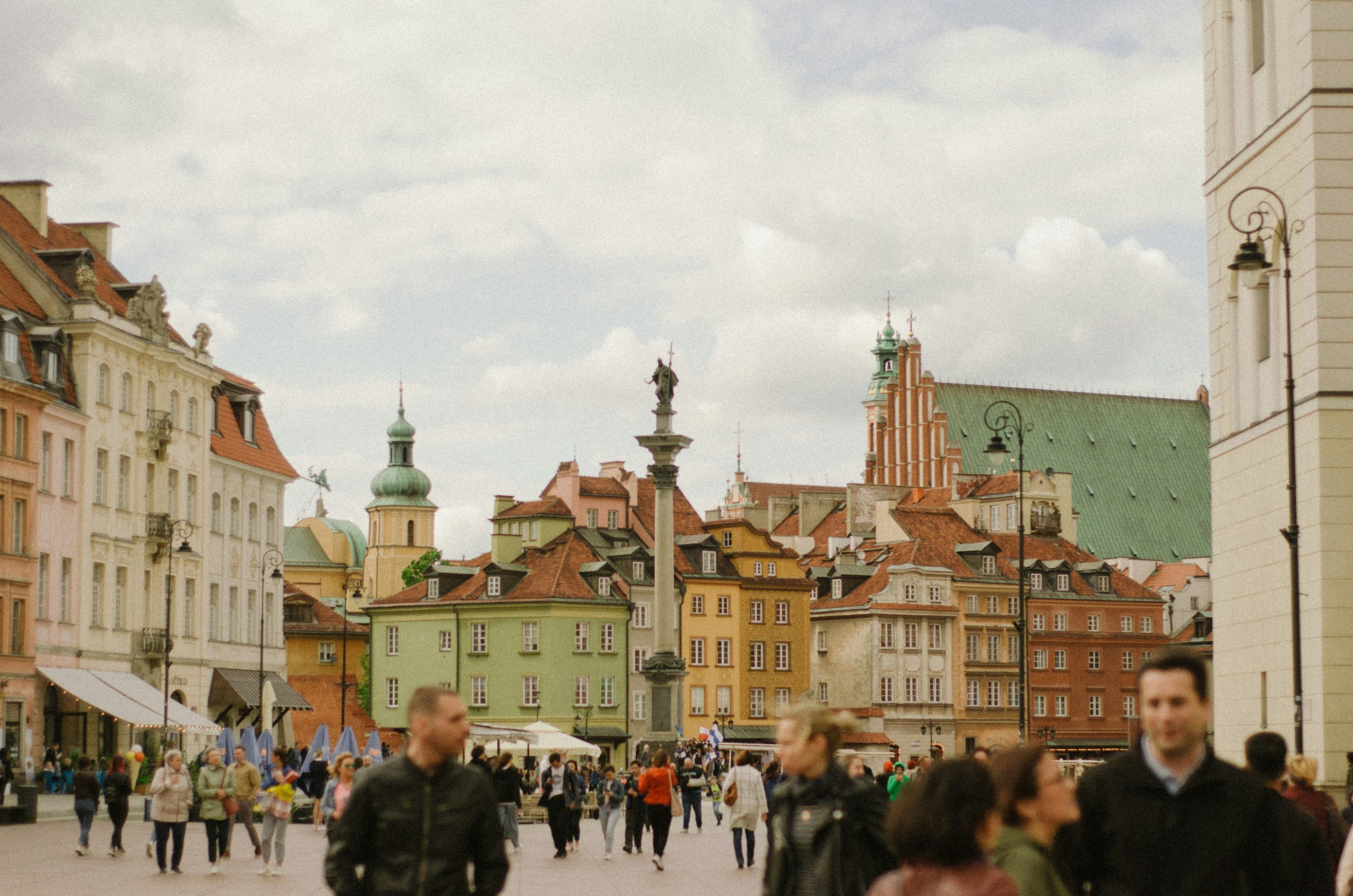
Warsaw rewards budget travelers with a rare combination of zero-cost culture, history, and green space that rivals paid attractions elsewhere in Europe. The Polish capital stands apart among continental destinations for offering genuine, world-class experiences without spending zloty.
The UNESCO-protected Old Town delivers the biggest bang. Visitors walk freely through reconstructed medieval streets, baroque facades, and the Royal Castle without ticket gates. This isn't a cordoned-off heritage zone. The Old Town functions as a living neighborhood where locals drink coffee at street-level cafes, browse independent bookshops, and gather in the Market Square. The castle's exterior and courtyards remain accessible, though interior exhibitions do charge admission.
Warsaw's museum landscape shifts dramatically on designated free-entry days. The National Museum, housed in a modernist building on Aleje Ujazdowskie, opens its doors at no cost once weekly. The same applies to the Museum of Uprising, which documents Warsaw's 1944 resistance against Nazi occupation through photographs, artifacts, and survivor testimonies. The Polish Army Museum presents military history across multiple wings. Travelers planning around these schedules can compress major museum visits into single days at zero cost.
Parks dominate the city's free itinerary. Lazienki Park sprawls across 76 hectares with palaces, sculpture gardens, peacocks roaming freely, and lakeside walking paths. Saxony Garden, adjacent to the Presidential Palace, offers formal landscaping and performance spaces hosting free concerts during summer months. The Vistula River embankments provide cycling routes and recreational areas. These spaces compete directly with fee-charging attractions in other capitals like Vienna or Prague.
The city's neighborhoods reward aimless exploration. Praga, on the east bank, features street art, vintage shops, and music venues. Nowy Swiat (New World) street runs pedestrian-only past bookstores, galleries, and cafes. The Jewish Ghetto area includes memorial plaques, the Warsaw Ghetto Uprising Monument, and the POLIN Museum of Polish Jewish History, though the latter charges admission.
Street markets operate year-round. Plac Nowy hosts a permanent antique and vintage goods market in a circular building. Stadion X-lecia features weekend flea markets where locals sell everything from Soviet memorabilia to contemporary art. Food stalls serve regional specialties at prices half those in tourist-focused restaurants.
Walking tours cover Warsaw's most complex history for tips-only. Guides discuss the city's complete destruction during World War II, its Soviet-era rebuilding, and post-1989 transformation into a EU financial hub. This context transforms free sightseeing into narrative understanding.
Hostel accommodations run 40-60 zloty nightly (approximately 10-15 euros), anchoring genuine budget travel. Combined with zero-cost attractions, Warsaw delivers week-long city breaks under 200 euros including sleep and meals.
The city's post-communist infrastructure remains underpriced compared to Western European capitals. Trams cost 3.80 zloty per ride. Restaurant meals cost 30-50 zloty. This pricing persists despite Warsaw's emergence as Poland's startup hub and international business center.
Warsaw functions as a corrective to expensive Western Europe. The city proves that European capitals need not drain travel budgets to deliver world-class experiences. UNESCO heritage, major museums, riverside parks, and walkable neighborhoods exist here without paywalls. Travelers planning Eastern Europe should prioritize Warsaw before prices inevitably align with the continent's most expensive cities.