# Centrum House Hostel in Brașov Turns Budget Lodging Into Career Launchpad for Young Workers
Centrum House Hostel operates on a conviction that runs counter to the transactional nature of most budget accommodations. Located on Brașov's main pedestrian street in Romania's Carpathian foothills, the property has spent over a decade positioning itself not just as a place to sleep, but as a training ground for young hospitality workers seeking real-world experience.
The hostel's model begins simply enough. What started as part-time student employment has evolved into a structured program that pairs affordable travel accommodation with genuine skill development. Young people working at Centrum House gain practical training in guest relations, housekeeping, front desk operations, and management while earning wages and building résumés that actually matter in the hospitality sector.
This approach reflects a broader shift in how independent hostels operate. Rather than treating entry-level positions as temporary holding patterns, properties like Centrum House recognize that investing in young worker training creates a virtuous cycle. Staff develop ownership stakes in guest experiences. Guests encounter authentic, motivated service. Local young people access career pathways that might otherwise require expensive hospitality school or unpaid internships.
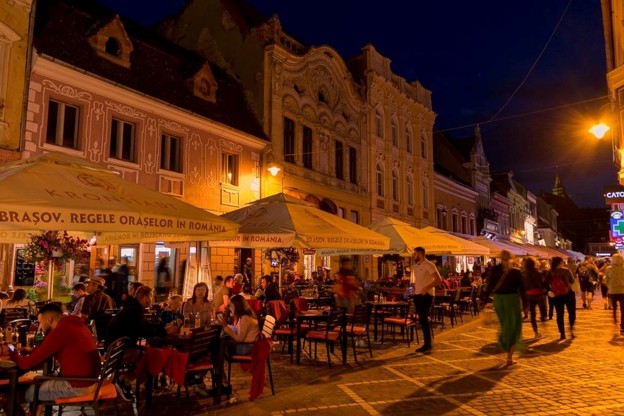
Brașov itself provides ideal context for this model. The city attracts budget travelers drawn to its medieval architecture, proximity to hiking in the Carpathians, and relative affordability compared to Western European alternatives. Visitors spend two to five nights on average, creating steady demand that sustains year-round employment rather than purely seasonal positions. The city's growing reputation as a digital nomad hub adds another layer of demand, with remote workers staying longer and seeking community-oriented accommodations.
For young Romanians, particularly those from smaller towns near Brașov, hostel work represents accessible entry into international hospitality. Staff interact daily with guests from dozens of countries, negotiate cultural differences, practice English and other languages, and develop problem-solving skills under real pressure. These competencies translate directly into advancement opportunities at larger hotel chains, tour operators, and hospitality management roles across Europe.
The sustainability angle extends beyond employment. Centrum House's model reduces staff turnover by creating career development pathways, which cuts recruitment and training costs while improving service consistency. This stability benefits the property's bottom line while offering workers genuine progression rather than dead-end wage labor.
The hostel sits within Brașov's wider tourism ecosystem, which has experienced steady growth as Romania repositions itself as a backpacker and adventure travel destination. Budget accommodations across the city now compete for the same demographic, making differentiation through hospitality quality and staff expertise increasingly valuable. Centrum House's decade-long commitment to worker development has built institutional knowledge that newer competitors cannot quickly replicate.
For travelers planning trips to Romania, this model matters practically. Hostels with invested, well-trained staff deliver notably better experiences than those cycling through disengaged workers. At Centrum House, you encounter people who genuinely want to help you navigate Brașov, recommend hiking routes, and troubleshoot problems because they've built careers there, not just passing through.
The broader lesson extends beyond Romania. As budget travel becomes increasingly competitive, properties that treat hospitality as genuine human connection rather than transaction creation gain distinct advantages. Centrum House demonstrates that young workers and travelers benefit when hostels commit to real skill development alongside affordable beds.