# Turkish Baths: The Ritual That Transforms Travel in Turkey
Turkish baths, known locally as hammams, represent far more than a washing ritual. These steaming chambers have served Ottoman culture for centuries, and today they remain essential experiences for visitors exploring Istanbul, Ankara, and smaller Anatolian towns. Understanding hammam etiquette, costs, and what to expect transforms a casual visit into an authentic cultural immersion.
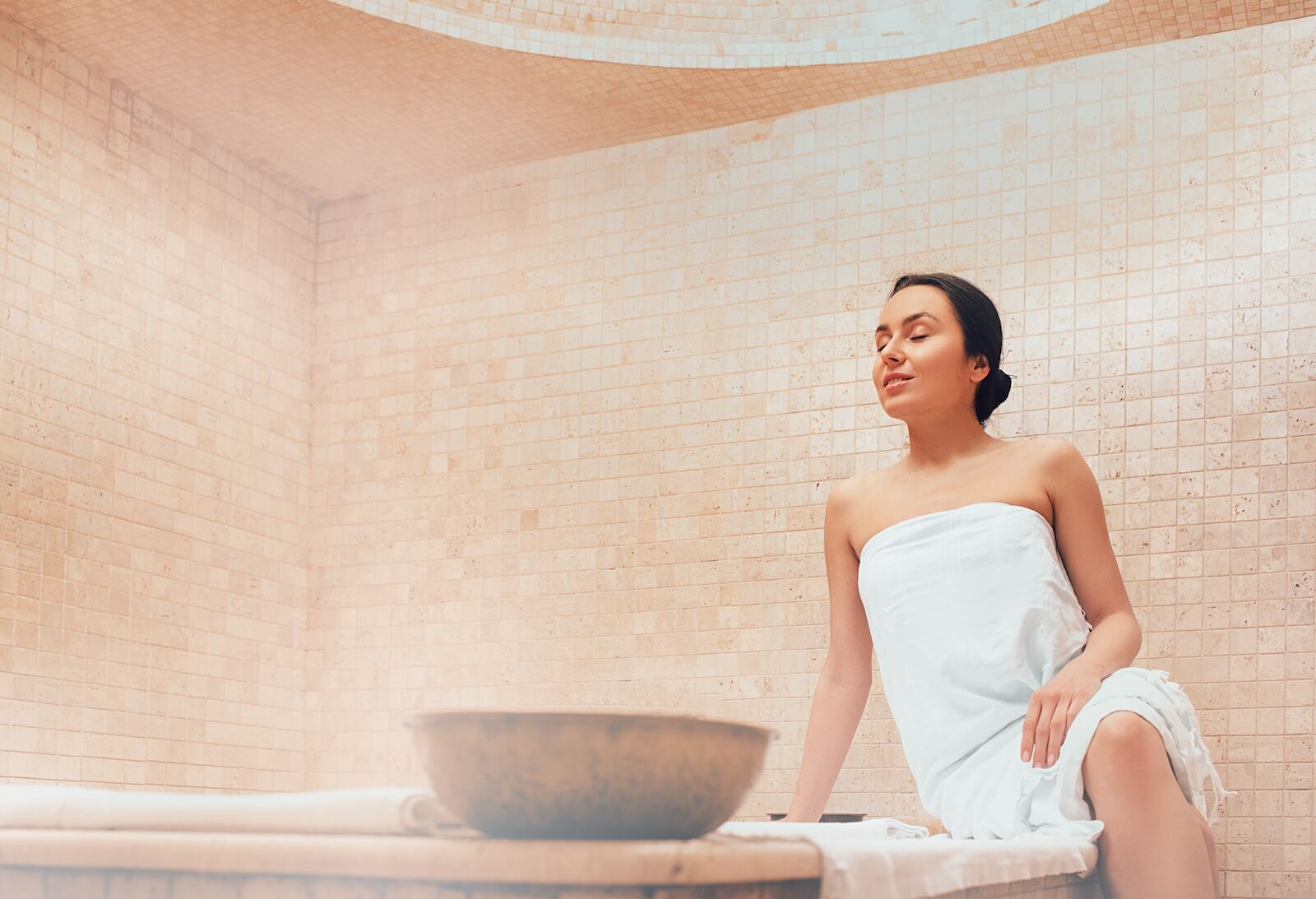
A traditional hammam session follows a specific sequence. Visitors enter the cool changing room, undress, wrap themselves in a pestemal (thin cotton cloth), and move into increasingly hot chambers. The journey begins in the tepidarium (warm room), progresses to the caldarium (hot room heated to around 40-45 degrees Celsius), and culminates in the hottest chamber where a masseur applies vigorous scrubbing with a rough mitt called a kese. This exfoliation removes dead skin accumulated over months. Cold plunges between chambers complete the cycle, invigorating the body and closing pores.
Costs vary dramatically by location and service tier. Budget hammams in working-class Istanbul neighborhoods charge 40-80 Turkish Lira (roughly $1.50-3 USD) for basic access. Mid-range tourist hammams in Sultanahmet near the Blue Mosque charge 150-300 Lira ($5-10 USD). Luxury spa hammams attached to five-star hotels like the Four Seasons or Ciragan Palace charge 500-1,200 Lira ($17-40 USD) for premium experiences with attendants trained in gentler techniques.
First-time visitors should know that hammams operate with different sections for men and women, or separate hours. Swimwear remains optional in traditional hammams, though visitors may keep their pestemal on during scrubbing. Tipping the masseur with 50-100 Lira follows local custom. Most hammams require advance booking, especially during summer tourist season from June through August.
Istanbul hosts the most visited hammams. Cagaloglu Hammam, built in 1741 and featured in James Bond films, draws crowds seeking historical authenticity. Galatasaray Hammam in Beyoglu offers marble interiors and expert staff. For luxury seekers, the hammam at the Vault Karakoy boutique hotel combines Ottoman architecture with modern amenities.
Beyond Istanbul, Ankara's Cengelhan Hammam provides authentic experiences without tourist markup. Visitors exploring Cappadocia find smaller hammams in towns like Goreme and Urgup, where local operators charge budget prices and offer genuine encounters with Turkish bathing culture.
The hammam experience addresses multiple travel needs simultaneously. It provides physical relaxation after museum walking tours, cultural education about Ottoman traditions, and social interaction with locals. Many Turkish families treat weekly hammam visits as family rituals, and visitors who embrace this custom gain insider perspective on daily Turkish life.
Travelers planning Turkish visits should schedule at least one hammam session. Book through your hotel concierge for safety and reliability. Arrive early in the day to avoid evening crowds. Bring shower shoes, a change of clothes, and minimal cash. The experience combines wellness, history, and authentic cultural exchange in a way few other travel activities deliver.