# Escaping Capri's Summer Crush: Timing, Routes, and Hidden Spots Make All the Difference
Capri attracts over 3 million visitors annually, with peak summer months seeing ferries packed shoulder-to-shoulder and Blue Grotto queues stretching past two hours. Yet the island rewards travelers who plan strategically. Visiting during shoulder seasons, arriving early, and knowing which attractions work best outside peak hours allows visitors to experience Capri's genuine beauty without the carnival atmosphere.
The Blue Grotto remains Capri's most famous draw. Boats depart from Marina Grande, the main port. Most day-trippers arrive between 11 a.m. and 3 p.m., making early morning visits essential. Departing Naples on the first ferry from Molo Beverello (around 7 a.m.) gets you to the grotto by 8:30 a.m., before crowds overwhelm the site. Hydrofoil services like Tirrenia and SNAV operate multiple daily routes, with tickets around 18-20 euros per person. Afternoon visits, after 4 p.m., also draw fewer tourists as cruise ships and tour groups leave the island.
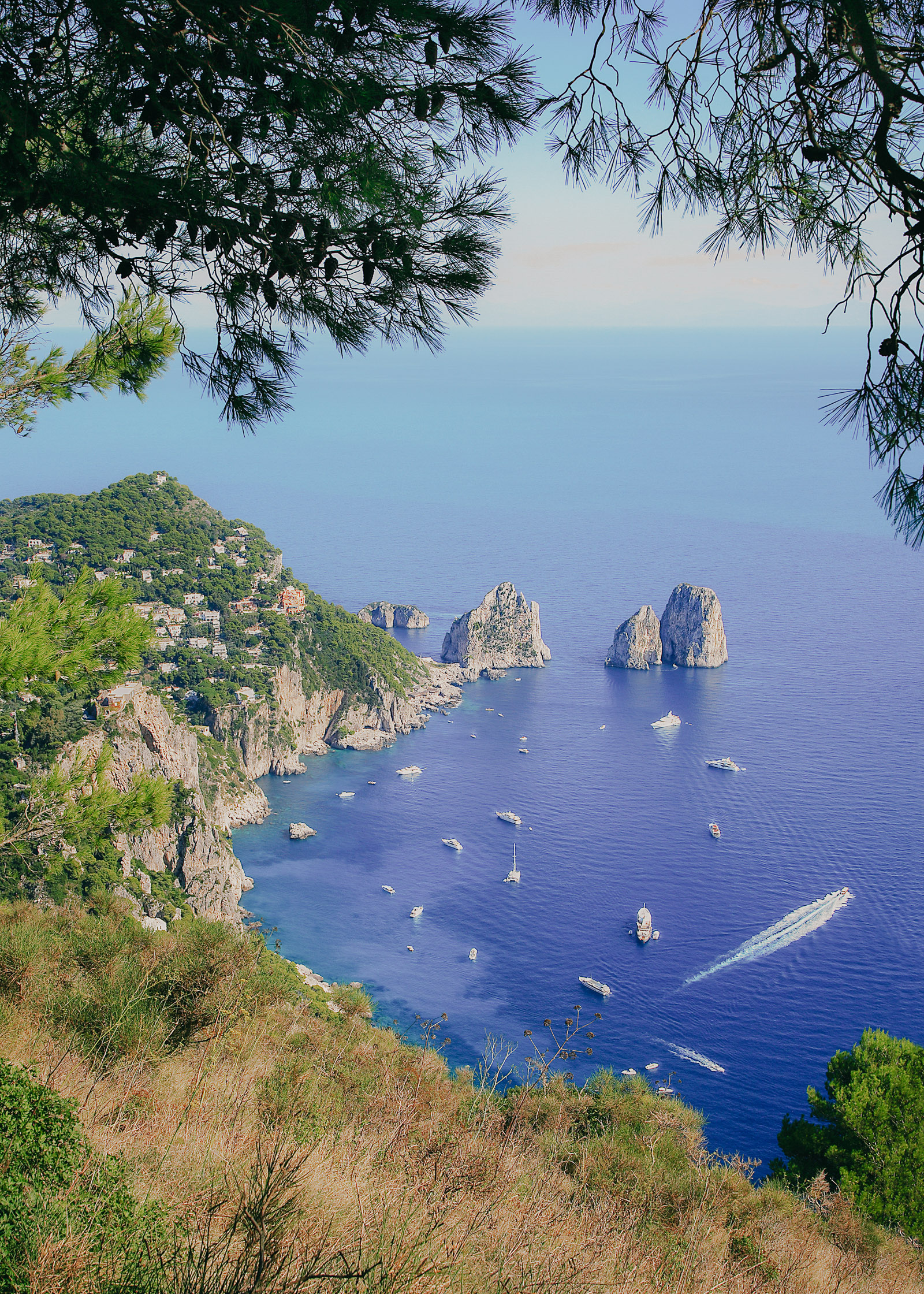
Villa Jovis, the ruined Roman palace perched 334 meters above sea level, offers panoramic views most visitors miss. The hike from Capri Town takes 45 minutes but rewards explorers with solitude and unobstructed vistas of the Faraglioni rock formations. Entrance costs just 2 euros, and visiting mid-week rather than weekends cuts crowds dramatically.
Faraglioni boats depart from multiple harbors but skip the overbooked tours from Marina Grande. Instead, rent a private boat through local operators like Laser Capri or Motoscafi Capri (50-80 euros for small groups) and navigate the limestone stacks independently. Swimming in the emerald waters near the rocks becomes possible without waiting in tour queues.
Villa San Michele, a former summer home turned museum in Anacapri, sits on the island's quieter north side. Fewer visitors make the trip uphill to this 1896 villa, which houses antiquities and offers a peaceful Mediterranean garden. Admission runs 8 euros.
Timing transforms the Capri experience. May and September offer warm weather, calm seas, and 30 percent fewer tourists than July and August. October extends this advantage into early fall, with water temperatures still suitable for swimming. Avoid weekends year-round. Tuesday and Wednesday mornings provide the emptiest streets and shortest waits.
Getting there matters. Flying into Naples International Airport (Capodichino) and booking overnight stays in Capri means avoiding the day-tripper stampede entirely. Hotels like JK Place Capri (luxury option, 400-600 euros nightly) or Ristorante Trattoria da Vincenzo (budget-friendly, 80-120 euros) cater to overnight visitors. Staying overnight changes everything. After sunset, when ferries leave and tour groups disappear, Capri becomes genuinely magical.
Dining off the main piazza in Capri Town yields restaurants serving locals rather than tourists. Trattoria da Vincenzo and Da Paolino near the ferry station charge reasonable prices and offer authentic Caprese salads without inflation markup. Lunch costs 12-18 euros for quality meals.
The key to Capri without crowds isn't visiting fewer attractions. It's visiting smarter. Early mornings, shoulder seasons, mid-week travel, and overnight stays transform Capri from a crowded box-ticking exercise into something closer to what drew celebrities and writers here for centuries. The island's natural beauty persists. You just need to work slightly harder to find it.