# The World's Most Instagrammed Waterfalls: Where Instagram Fame Drives Tourism
Niagara Falls dominates global Instagram feeds as the world's most photographed waterfall, cementing its status as a tourism juggernaut straddling the Canada-United States border. The sheer volume of visitor selfies and landscape shots uploaded daily reflects both the site's natural majesty and its accessibility to millions of travelers from North America's largest population centers.
The rise of Instagram-driven tourism has fundamentally reshaped how travelers select destinations. Waterfalls rank among the most photogenic natural attractions on the platform, and their popularity directly translates to increased visitor numbers and economic activity in surrounding regions. Tourist boards and hospitality operators now factor social media appeal into development strategies, understanding that viral moments drive bookings across hotels, airlines, and tour operators.
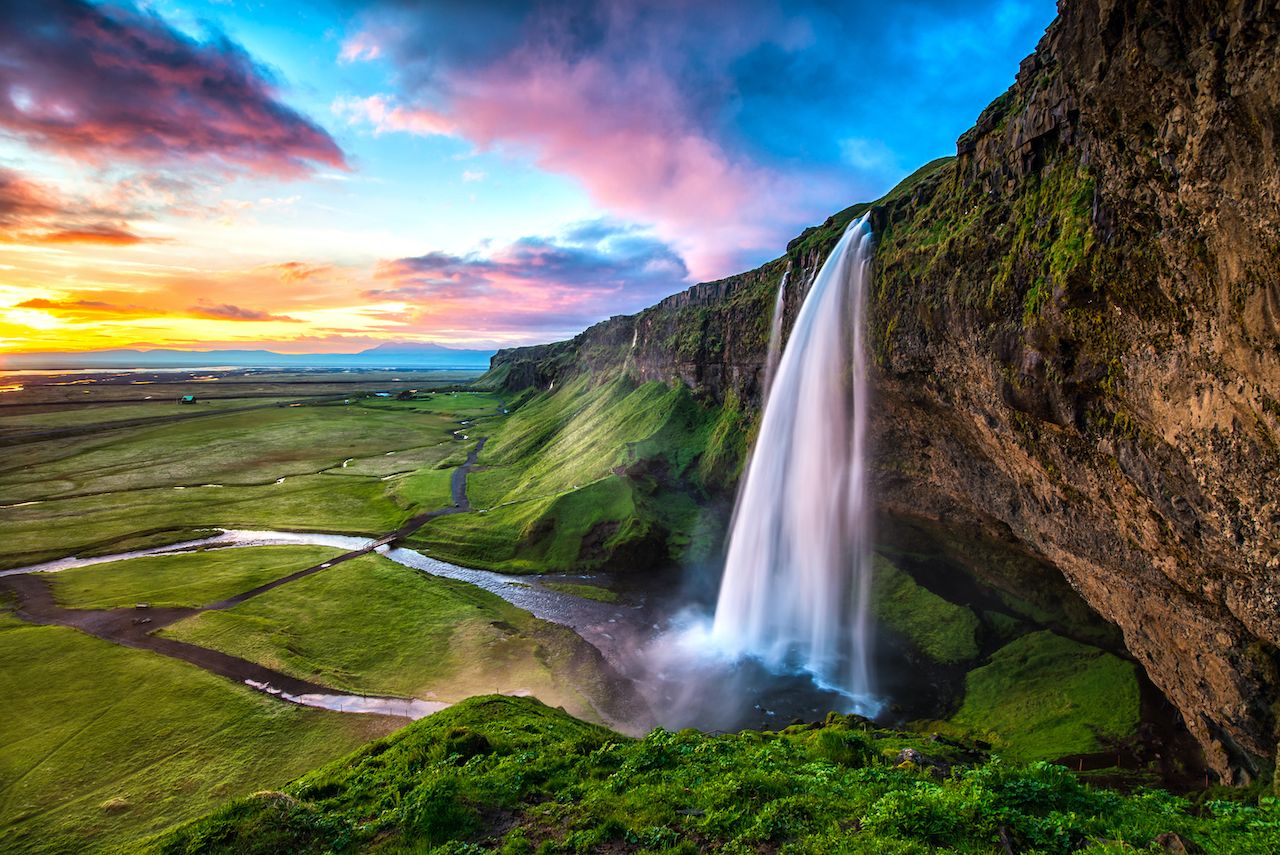
Beyond Niagara, Iceland's Seljalandsfoss captures attention with its distinctive walk-behind cascade, allowing photographers to frame the waterfall from behind the falling water itself. This unique vantage point generates the kind of distinctive images that perform well on Instagram's algorithm-driven feed. Other Icelandic falls like Skogafoss and Gullfoss similarly benefit from Iceland's boom in tourism, fueled partly by budget airline competition and Instagram's elevation of the country's dramatic landscapes.
Yosemite Falls in California's Yosemite National Park attracts photographers drawn to its massive 2,425-foot drop and surrounding granite cliffs. The waterfall's prominence in outdoor recreation imagery has made it a bucket-list destination, though seasonal water flow variations create challenges for consistency in visitor experiences and photography conditions.
Tropical destinations feature prominently in waterfall rankings. Niagara's sheer visitor volume may be unmatched, but cascades in destinations like New Zealand's Milford Sound, Costa Rica's La Fortuna de San Carlos, and Indonesia's Bali draw millions seeking lush, verdant backdrops. These locations benefit from boutique eco-tourism operations, mid-range resort chains, and budget accommodations that cater to backpackers uploading content across social platforms.
The economic implications extend beyond tourism. Airlines serving waterfall destinations report increased demand on specific routes. Air Canada and Niagara Falls tourism infrastructure handle roughly 30 million visitors annually. Budget carriers like Southwest Airlines and regional carriers feeding Yosemite see seasonal surges tied to Instagram-driven travel planning.
Hotels near major waterfalls command premium pricing during peak seasons. Properties like Mist Trail Lodge near Yosemite and various operators in Reykjavik benefit from this demand, though infrastructure strain and environmental concerns emerge as visitor numbers concentrate around photograph-friendly vantage points.
The Instagram waterfall phenomenon reveals broader travel trends. Younger travelers aged 18-35 increasingly research destinations through social feeds rather than guidebooks. Location tags generate self-perpetuating cycles where one viral image spawns thousands of similar shots, attracting competing photographers and casual tourists alike.
Environmental management becomes critical as foot traffic intensifies. Trail erosion, water quality concerns, and overcrowding pose real challenges at popular sites. Yosemite National Park now manages daily capacity limits during peak season. Iceland implemented visitor management strategies as tourism surged beyond infrastructure capacity.
Travel planning now operates within Instagram's visual ecosystem. Travelers screenshot waterfall photos, reverse-image search coordinates, and plan itineraries around photographing themselves at these exact locations. This behavior drives booking decisions for flights, hotels, and guided tours, making waterfall prominence on Instagram a tangible economic driver affecting the entire travel industry chain.