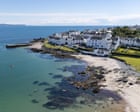
# Whisky Galore: Islay Transforms Beyond Distilleries Into a Full-Scale Destination
Islay, the Scottish island famous for its peaty single malts, is reinventing itself beyond whisky. Distilleries have long anchored the economy and tourism trade, but their success has now spawned a thriving ecosystem of restaurants, breweries, farms, and specialty food producers that compete for visitor attention and spending.
The shift reflects a broader travel trend. Destination economies that rely on one attraction face vulnerability. Islay's answer has been diversification. While the island's distilleries remain the draw that brings travellers here, the supporting cast of businesses ensures visitors stay longer and spend more widely.
Travellers exploring Islay now encounter a different kind of island experience. Lochindaal Seafood Kitchen offers fresh seafood with loch views. Port Charlotte youth hostel provides budget accommodation without sacrificing character or location. Bike rental operators like Islay E-Wheels let visitors pedal scenic routes along Loch Indaal, with views of the Paps of Jura rising dramatically offshore.
The infrastructure shift matters for budget-conscious travellers. Youth hostels cost significantly less than hotels. E-bike rentals open the island's terrain to visitors who lack fitness or want to cover distance without fatigue. These additions democratise access to Islay beyond the affluent whisky tourist demographic.
Islay's economy historically depended on eight to ten major distilleries. Brands like Ardbeg, Laphroaig, and Lagavulin dominate global whisky markets and drive visitor numbers. But this concentration creates risk. Distillery closures, production cuts, or shifting consumer preferences could devastate local employment and tourism revenue. The emergence of craft breweries, chocolate makers, and farm-to-table restaurants hedges against single-sector volatility.
The diversification also extends the visitor season. Whisky tourism peaks during spring and autumn. But adventurers seeking Scottish coastal landscapes, cycling routes, or food experiences spread visits throughout the year. A traveller arriving in winter no longer just wants to tour distilleries. They want to explore wild coastlines, eat fresh local seafood, and cycle through remote glens.
Pricing dynamics have shifted too. A day on Islay used to mean distillery tours at 15 to 25 pounds per person, plus meals at limited options. Now, visitors budget for bike rentals at roughly 30 to 50 pounds daily, budget accommodation at youth hostels starting around 35 pounds per night, and meals ranging from casual cafes to fine dining. Total daily spend can be lower than before, or higher, depending on choices.
This model mirrors successful transformations in other whisky regions. The Isle of Skye added outdoor adventure tourism, craft food, and accommodation diversity decades ago. Speyside distilleries now sit alongside farm shops, hiking networks, and restaurants that attract visitors uninterested in whisky.
For travellers planning trips to Scotland's Hebrides, Islay now offers something beyond distillery tourism. You can cycle misty coastlines, eat fresh seafood with views, sleep affordably, and yes, still sample some of the world's most distinctive peaty whiskies. The island has matured beyond single-note appeal into something richer and more complex, much like the spirits it produces.