# Europe's Second Cities Deliver Authentic Experiences Without the Tourist Crush
Travelers fatigued by overcrowded plazas in Paris, Rome, and Barcelona increasingly pivot toward Europe's second-tier cities, where cultural richness meets genuine local atmosphere. These destinations offer the historical depth and architectural splendor of major capitals without the suffocating queues and inflated prices that define contemporary mass tourism.
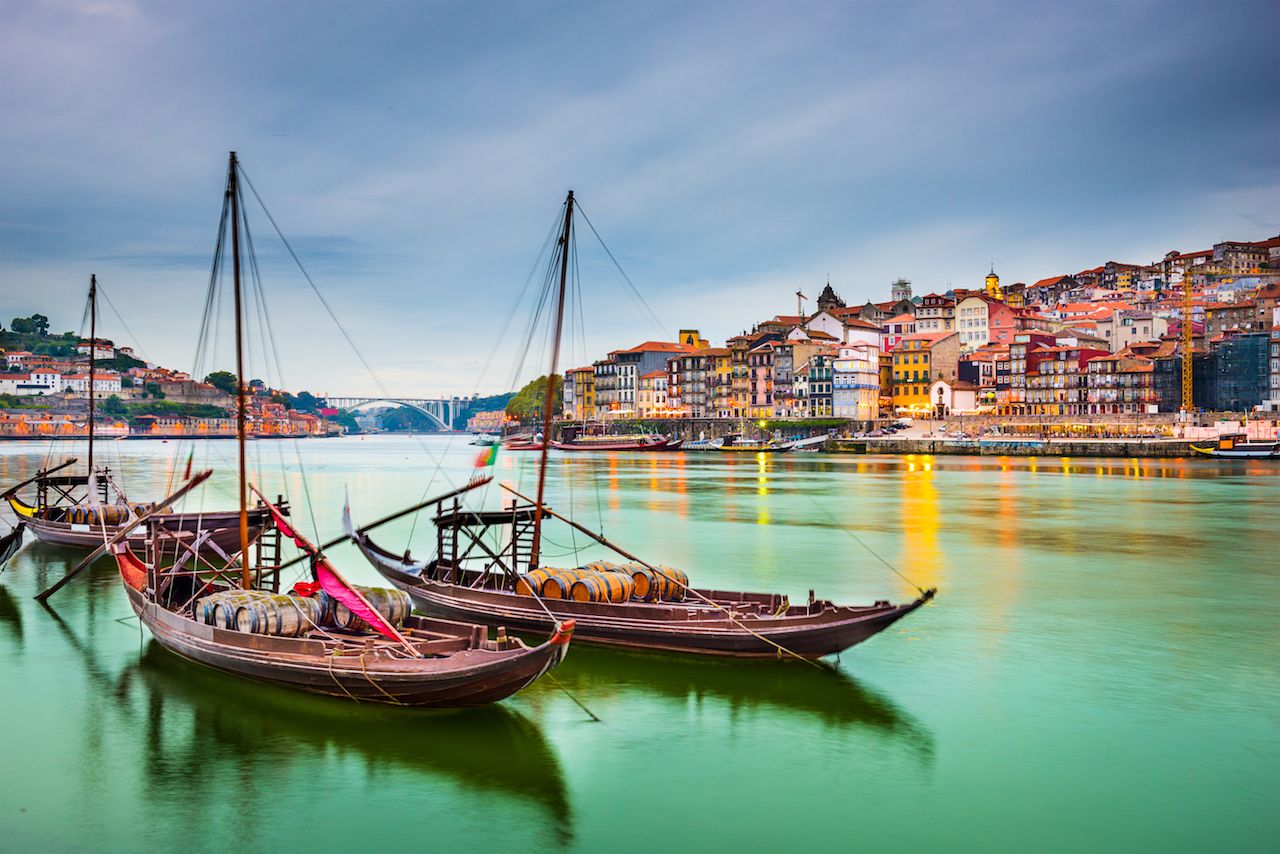
Porto, Portugal exemplifies this trend. The riverside city rivals Lisbon in beauty and historical significance, yet attracts a fraction of the crowds. Visitors wander through Ribeira's medieval alleyways, ride vintage wooden boats called rabelos on the Douro River, and sample port wine at atmospheric lodges in Vila Nova de Gaia. Hotel rates run substantially lower than Lisbon counterparts, with boutique properties like The Yeatman offering luxury experiences at moderate cost. Porto's food scene rivals any European capital, from seafood pasteis de nata to francesinha sandwiches, with meals costing 40-50% less than Lisbon establishments.
Krakow, Poland delivers Eastern European authenticity without the saturation plaguing Prague. The main square remains spectacular, yet side streets host genuine neighborhood cafes and independent shops. Budget-conscious travelers find accommodation at €40-70 nightly in well-reviewed hostels and guesthouses. Wawel Castle and the Jewish Quarter provide profound historical context. Ryanair and Wizz Air offer cheap flights from Western Europe, making Krakow accessible for weekend getaways.
Granada, Spain provides Andalusian character overshadowed by Seville and Barcelona. The Alhambra draws visitors, but the surrounding neighborhoods remain refreshingly Spanish. The Albaicin district's narrow lanes, independent tapas bars, and sunset views from Mirador de San Nicolas cost far less than coastal alternatives. Flights via budget carriers Ryanair and Vueling keep transportation affordable.
Dubrovnik's nearby rival Kotor, Montenegro offers Adriatic coastal beauty without peak-season gridlock. The walled medieval town perches dramatically above a fjord-like bay. Apartments rent for €50-100 nightly through Airbnb. Regional ferries connect to nearby islands and Croatian ports cheaply.
Lyon, France occupies a sweet spot between Paris's expense and provincial quietness. The gastronomic capital commands respect from culinary travelers, with Michelin-starred restaurants at lower price points than Paris. The Fourviere Basilica and Renaissance old town justify extended stays. Direct flights from London, Amsterdam, and Berlin via budget carriers arrive regularly.
Florence's alternative Siena, Italy captivates with medieval towers, palio horse races, and Tuscan accessibility. Hotel rates average €80-120 nightly compared to Florence's €150-plus. Train connections from Florence reach Siena in 90 minutes for €10-15.
The second-city strategy reshapes travel economics fundamentally. A family spending €200 daily in Rome survives comfortably on €120-140 in Porto or Krakow. Flight costs via Ryanair, Wizz Air, and Vueling to these destinations remain competitive with major hubs. Accommodation, dining, and attractions cost 30-50% less than capital equivalents while offering denser authenticity.
This shift reflects broader travel industry adaptation. Overtourism at Venice, Barcelona, and Dubrovnik has prompted destination marketing organizations to redirect visitors toward secondary cities. Tourism boards in Porto, Krakow, and Granada now receive substantial promotional budgets previously channeled to exhausted capitals.
Smart travelers now schedule secondary cities as primary destinations rather than day-trip alternatives. The combination of lower costs, richer local interaction, and genuine cultural immersion makes second cities not compromises but superior choices for meaningful European experiences.