# Visiting Bears Ears This Fall Becomes a Conservation Act
Bears Ears National Monument in southeastern Utah stands at a crossroads. The sprawling 1.3 million-acre landscape faces ongoing threats from development and resource extraction. Yet travelers planning fall trips now have a direct way to support its protection: simply visit.
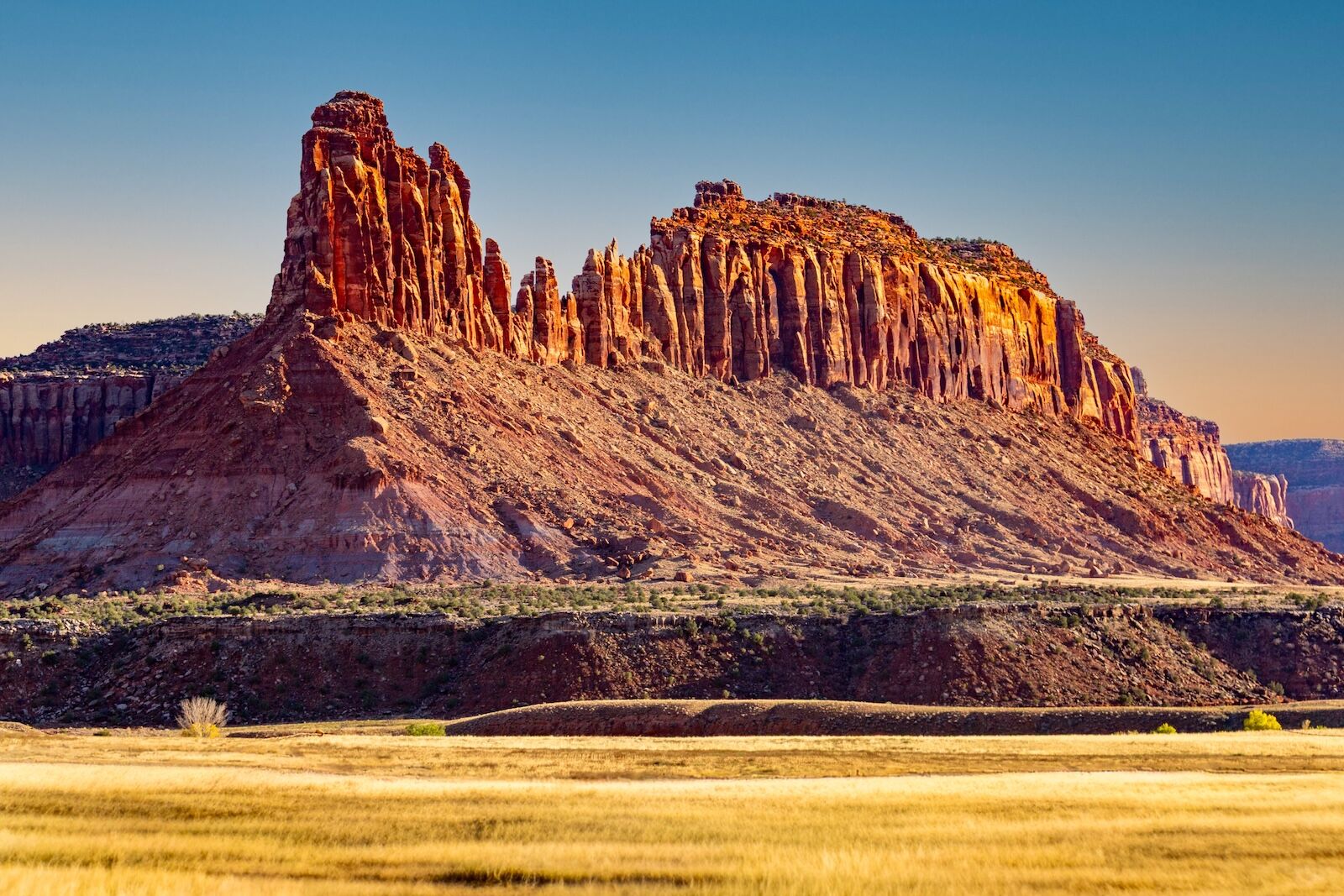
The monument, located in the heart of the Colorado Plateau near Blanding, Utah, represents one of America's most ecologically and culturally rich regions. Towering red rock formations, ancient Indigenous archaeological sites, and pristine wilderness corridors make it a destination for hikers, photographers, and canyon explorers. But its future remains contested. Conservation groups argue that visitor spending and documented tourism benefits provide measurable economic justification for preservation, countering arguments that the land should open to mining and drilling.
Fall offers the optimal window for a Bears Ears trip. September through November brings moderate temperatures, clear skies, and reduced summer crowds. Visitors can explore iconic formations like Comb Ridge, Arch Canyon, and the Needles District without battling heat or shoulder-season traffic. Nearby Monticello, Utah, sits just 20 miles north and offers lodging at The Monticello, Sorrel Peak Brewing's attached hotel space, or the budget-friendly Recapture Lodge for those watching costs.
The economics matter. Local guides, outfitters, and hospitality businesses benefit directly from tourism dollars. When visitors spend money on lodging, meals, and guiding services in Monticello and Blanding, they create a tangible economic footprint that supports rural Utah communities. Conservation advocates use this data to demonstrate that Bears Ears generates more sustainable long-term revenue through tourism than extraction industries would provide through one-time resource removal.
For travelers, the monument offers multiple entry points. Day hikers can tackle trails like Fry Canyon and Cedar Mesa without permits. Backpacking expeditions require planning but reward adventurers with multi-day immersion in Utah's canyon country. The Monument Valley Navajo Tribal Park, jointly managed with Navajo Nation lands, provides additional context on the region's Indigenous heritage and contemporary tribal stewardship.
Getting there requires a vehicle. The nearest major airports are in Salt Lake City (230 miles northwest) and Denver (350 miles northeast). Rental car companies at both hubs offer SUVs ideal for Utah's backcountry roads. Budget carriers like Southwest Airlines and United serve both cities, with competitive fall pricing.
The Bears Ears debate reflects broader questions about public land use in the American West. The monument designation itself has shifted since its 2016 creation, with Trump administration reductions in 2017 and Biden administration restoration in 2021. Tourism, therefore, becomes political currency. Higher visitor numbers and documented economic activity strengthen arguments for permanent protection against future administrative rollback.
Travelers visiting this fall don't simply experience landscape. They participate in conservation through economic contribution. They gather stories and images that build public support. They create documentation of the monument's value beyond extraction economics.
Bears Ears awaits. The red rocks will remain whether visitors come or not. But the people who work in these communities, the wildlife that depends on these landscapes, and the Indigenous communities with ancestral ties to these canyons benefit when travelers choose Bears Ears as their fall destination.