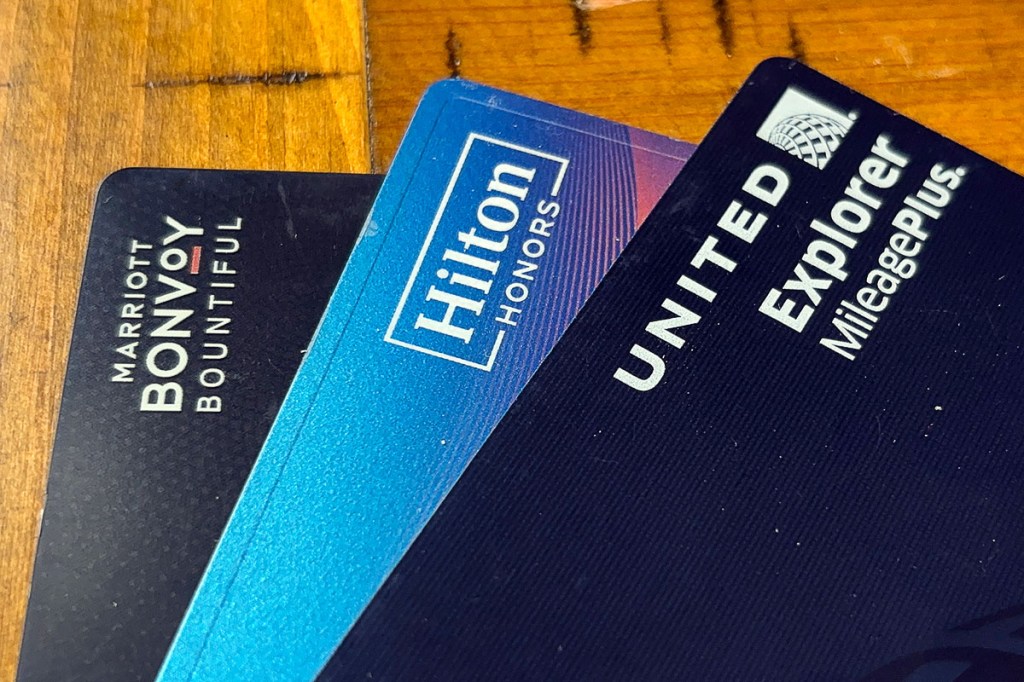
# Banks Are Quietly Becoming the Real Controllers of Travel Loyalty
Credit card companies and banks now wield more power over travel rewards than the airlines and hotel chains that travelers associate with loyalty programs. This shift fundamentally rewires how travelers earn points, where they spend them, and which companies capture the real value in the industry.
The mechanics are straightforward. When American Express, Chase, Citi, or Bank of America issue co-branded travel credit cards, they control the earning rates, redemption rules, and partner networks. A Chase Sapphire Preferred cardholder earns points on every purchase globally, then transfers those points to partners like United Airlines, Hyatt Hotels, or Marriott Bonvoy. The bank profits from both the credit card fees and the float of unspent points balances. Hotels and airlines become distribution channels for the bank's financial products rather than primary loyalty architects.
This represents a seismic power shift from the legacy travel loyalty model. Historically, American Airlines AAdvantage, Marriott Bonvoy, and Hilton Honors controlled member engagement directly. Travelers earned miles by flying American or staying at Marriott properties. Banks offered rewards credit cards, but these were secondary to the airline or hotel brand relationship.
That dynamic inverted. Banks realized the real customer data lives in spending patterns, not seat assignments or room bookings. A credit card tracks everyday purchases across restaurants, gas stations, and retail. An airline knows only about flight behavior. Banks parlayed this advantage into premium card offerings with annual fees of 150 dollars to 550 dollars, justifying those costs with travel credits, lounge access, and premium earning rates.
Chase's portfolio is instructive. The company issues co-branded cards with United, Marriott, Hyatt, IHG, and Southwest. Together, these partnerships generate billions in annual card revenue and lock customers into the Chase ecosystem. A traveler holding multiple Chase cards stays within the Chase universe when redeeming points across different travel brands. American Express similarly dominates through its Platinum and Gold cards, which offer travel incidentals and transfer partners like Delta Air Lines and Hilton.
The implications reshape how travelers plan redemptions. A hotel loyalty member might previously book a property to earn elite status. Now they book properties from any chain because their bank credit card offers comparable or better earning rates. Annual hotel stays matter less than annual credit card spending. Status comes from financial products, not travel consumption.
Hotel groups adapted by deepening bank partnerships. Marriott International, Hilton, and IHG all expanded credit card offerings with higher earning potential and elite benefits. These cards generate deposit balances and increase annual spend but dilute the exclusivity of hotel-based elite programs. Frequent travelers earn status through credit card spending rather than night counts.
Airlines face similar pressures. United, American, and Delta depend on co-branded credit card revenue and loyalty currencies sold to banking partners. This dependency limits pricing power and reduces direct customer relationships.
For travelers, this shift creates both opportunities and complexity. Premium credit cards offer genuine value through travel credits and partner flexibility. But annual fees accumulate quickly across multiple cards, and point valuations fluctuate based on bank profitability rather than travel partner demand. The best redemption often requires optimizing across multiple card ecosystems and transfer partners rather than accumulating points in a single airline or hotel program.
Banks won the loyalty wars by expanding beyond credit into travel experiences. Hotels and airlines competed on rooms and seats. The banks competed for wallets.