# One Portuguese Road Trip Hits Four European Sightseeing Powerhouses
Portugal's central spine hosts some of Europe's most visited attractions, packed into a single driving route that rivals Italy's classics without the crowds or premium pricing. The country delivers medieval architecture, coastal drama, and historic towns that justify the comparisons to Spanish and Italian counterparts, all accessible via a straightforward road trip corridor.
The route connects Lisbon, Covilha, Guarda, and the Douro Valley, each representing distinct layers of Portuguese culture and landscape. Travelers can navigate this itinerary in 5 to 7 days, covering roughly 400 kilometers of well-maintained highways and secondary roads.
Lisbon anchors the journey as Portugal's capital and largest city. The Alfama district preserves medieval street layouts and traditional tile work. The iconic yellow trams climb steep hills toward Castle de Sao Jorge, which dominates the skyline from a 12th-century fortress perch. Pasteis de Nata, the creamy custard tarts sold in every bakery, taste best consumed while wandering riverside neighborhoods in Belem.
From Lisbon, travelers drive northeast toward Covilha, a university town set at 775 meters elevation on the Serra da Estrela mountains. Covilha offers a glimpse of authentic Portuguese life untouched by mass tourism. The town retains its historic center and wool-weaving heritage while serving as a base for hiking and viewing dramatic mountain vistas.
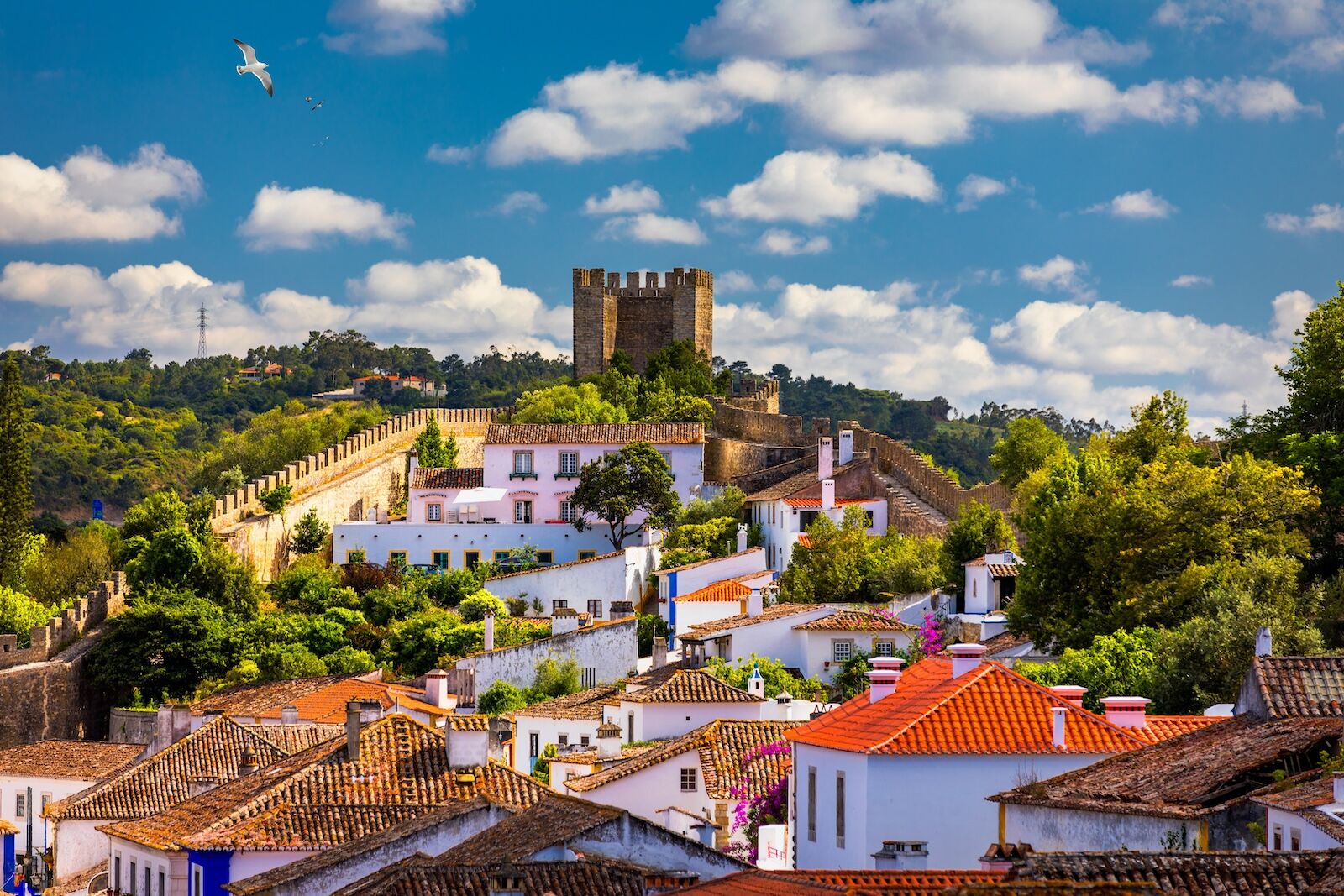
Guarda sits 40 kilometers northeast and claims the title of Portugal's highest city at 1,056 meters. Medieval walls still encircle the downtown. The Cathedral of Guarda contains Gothic and Manueline architectural details spanning centuries. This stops on the route delivers period atmosphere without the tourist infrastructure that strains nearby Spanish and Italian towns.
The Douro Valley completes the circuit as a UNESCO World Heritage region famed for port wine production. Terraced vineyards descend toward the Douro River in patterns carved over centuries. The town of Pinhao serves as the valley's heart, accessible by scenic train rides or driving switchback roads. Wine tastings at producer estates cost a fraction of Tuscan equivalents. A bottle of quality port retails for 15 to 30 euros at source.
Accommodation throughout the route remains budget-friendly compared to Western European norms. Mid-range hotels in Lisbon run 80 to 120 euros per night. Regional towns offer comfortable stays for 50 to 80 euros. Rental cars cost 30 to 50 euros daily through major operators like Hertz or Europcar. Gasoline prices track European averages around 1.70 euros per liter.
Road conditions support self-drive tourism. Portugal's highway system includes the A1, A23, and A25, all toll roads charging between 5 and 15 euros for full passages. Secondary roads through mountain regions offer slower but scenic alternatives.
The timing matters. Spring (April-May) and fall (September-October) deliver mild temperatures around 18 to 22 degrees Celsius and minimal rain. Summer draws crowds to beaches and historic centers. Winter rains can make mountain driving hazardous.
This route delivers European grandeur at Portuguese price points. Travelers gain castle tours, wine country experiences, and medieval town walks that rival Italy's Tuscany circuit or Spain's interior routes, while maintaining flexibility and controlling expenses across 5 to 7 days.