# Blogger's Whirlwind July Spans Five European Destinations in One Month
Travel blogger Adventurous Kate packed five distinct European destinations into a single month during July 2026, creating what she describes as an overwhelmingly ambitious itinerary that pushed the boundaries of sustainable travel pacing.
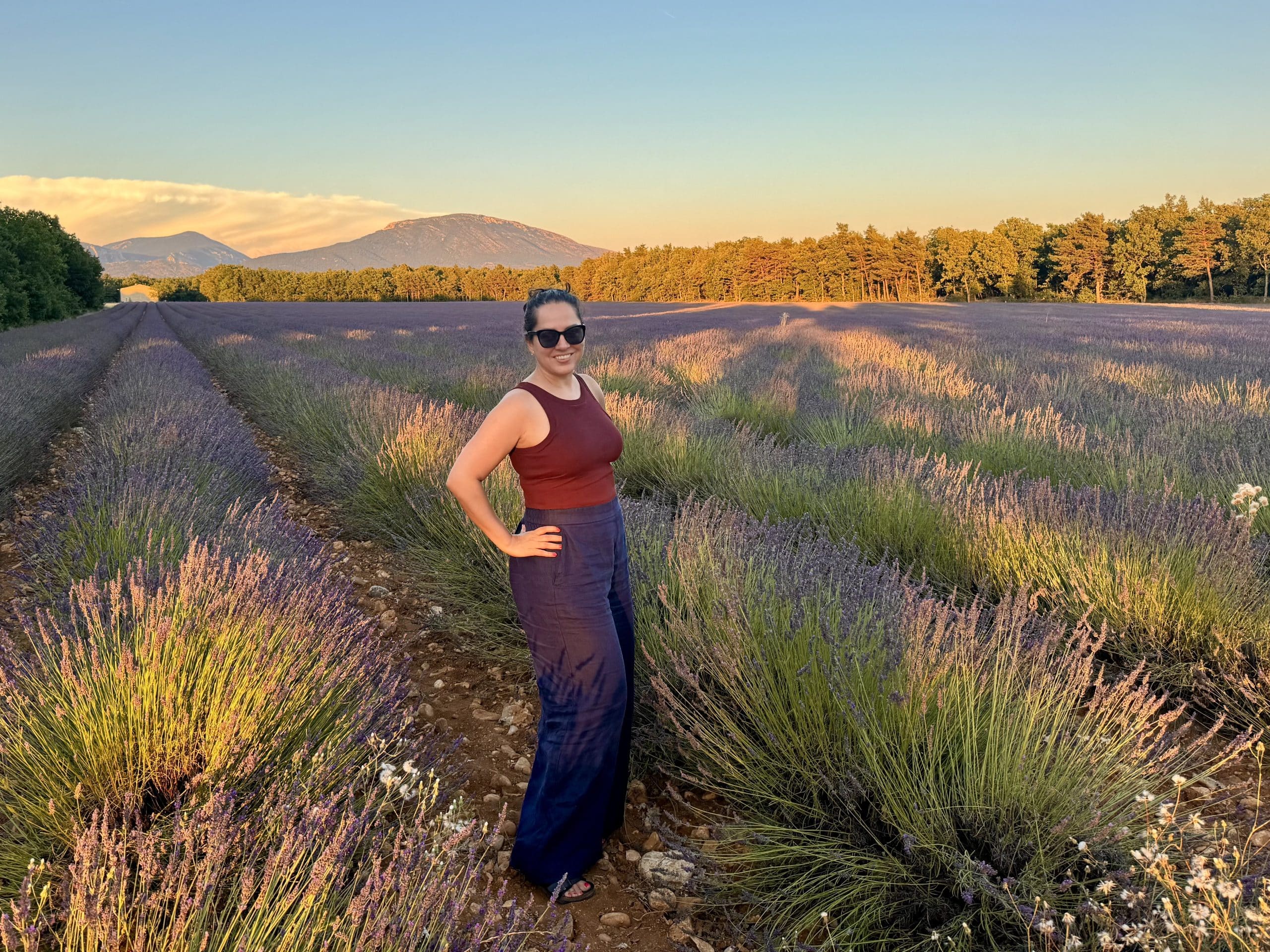
The journey began in Prague, the medieval capital of the Czech Republic, before pivoting south to Provence in southeastern France, where lavender fields in full bloom dominate the landscape each summer. From there, the blogger moved northwest to Ireland, exploring the dramatic coastal cliffs that define the country's western coastline. Mid-month brought an unexpected adventure involving a concert with thousands of attendees wearing bald caps, suggesting either a music festival or special event experience. The journey concluded on what the blogger identifies as her favorite island in Italy, likely referring to one of the Mediterranean destinations such as Sardinia, Sicily, or one of the Amalfi Coast islands.
What emerges from this itinerary is a travel pattern increasingly common among digital creators and remote workers in the post-pandemic era. The ability to base oneself anywhere with internet access has fundamentally altered how travel journalists and lifestyle bloggers structure their editorial calendars. Rather than spending extended time in single locations, many now pursue rapid-fire destination hopping, capturing fresh content and varied experiences within compressed timeframes.
This approach offers undeniable content advantages. Readers engage with diverse visual backdrops, from Prague's Gothic spires to Provence's golden hour sunsets to Ireland's verdant cliffs. Each destination provides distinct photographic and narrative opportunities. However, the blogger's own acknowledgment that July felt "TOO MUCH" reflects a broader travel sustainability conversation gaining traction among content creators.
Rapid destination cycling presents practical challenges. Flight emissions accumulate quickly with frequent international movement. Jet lag compounds with each border crossing, potentially compromising both health and content quality. Local tourism operators report increased pressure from high-volume, short-stay visitors who consume resources without contributing meaningfully to local economies. Budget travelers and luxury travelers alike find themselves competing for accommodation and experiences in increasingly crowded spaces.
The financial mathematics also warrant examination. While travel bloggers often secure media partnerships and sponsored content deals that offset costs, independent travelers attempting similar itineraries face substantial expenses. Prague hotels average 60-100 euros nightly; Provence accommodations near lavender fields command 80-120 euros; Irish coastal stays run 70-110 euros; and Italian island properties consistently exceed 100 euros per night. Add international flights connecting these cities, and monthly travel costs easily surpass 3,000-5,000 euros for mid-range travelers.
For travelers inspired by such ambitious itineraries, the lesson cuts both ways. Monthly recaps like this one showcase Europe's accessibility and the genuine possibility of experiencing multiple cultures in short timeframes. Discount airlines like Ryanair and budget hotel chains make this feasible. Yet the blogger's honest admission that the pace felt excessive suggests value in tempering ambition. Spending two weeks in Prague or a full month in Provence often yields richer experiences, deeper local connections, and lower environmental impact than covering five countries in thirty days.
The travel industry continues evolving toward both extremes simultaneously. Some platforms celebrate slow travel and extended stays. Others monetize frenetic content cycles. Success ultimately depends on individual priorities, budget capacity, and how one defines meaningful travel experiences.