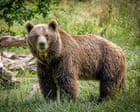
# Spotting Cantabrian Brown Bears: Asturias Becomes Europe's Unlikely Wildlife Haven
The Cantabrian brown bear nearly vanished from Europe. By the late 1980s, fewer than 60 individuals survived across the mountains of northern Spain. Today, controlled wildlife tourism in Asturias allows visitors to witness one of conservation's most stunning reversals, observing these endangered animals in their native habitat near villages like Pola de Somiedo.
The recovery story began in desperate circumstances. Local residents reported sightings of a three-legged mother bear, her two cubs, and two adult males prowling the forests outside Pola de Somiedo. The mother had lost her limb to a hunter's trap. These rare encounters represented the species' last foothold in the region. Poaching, habitat destruction, and human conflict had reduced the Cantabrian brown bear population to near extinction, making them vanishingly rare across their historical range in the Pyrenees and Cantabrian mountains.
Conservationists launched targeted protection efforts that transformed survival prospects. Strict legal protections, habitat restoration, and community education programs shifted attitudes toward bears from persecution to coexistence. The population has since rebounded substantially, though exact numbers remain fluid as bears move across the Spain-France border and between isolated pockets.
Asturias now leads Europe in accessible bear-watching opportunities. The Picos de Europa National Park and surrounding Somiedo Natural Reserve offer the region's most reliable sightings. Visitors book guided tours through local operators who work with conservation groups. Tours depart from towns like Cangas de Onís and follow established protocols designed to minimize disturbance to bears while providing genuine wildlife encounters.
The economics matter. Rural communities in Asturias historically depended on forestry, mining, and agriculture. Tourism revenue from bear-watchers now incentivizes protection over exploitation. A multi-day bear-watching package typically costs €800 to €1,500 per person, depending on the operator and accommodation. Hotels in Cangas de Onís and Pola de Somiedo have expanded capacity to accommodate this influx. Local restaurants emphasize regional cuisine, and mountain lodges offer comfortable bases for early morning observation hikes.
Best viewing occurs May through September, when bears emerge from dens and food availability draws them to accessible terrain. Early morning excursions start before 6 AM, requiring patience and binoculars. Professional guides use tracking knowledge and bear behavior understanding to position visitors at probable encounter sites. Sightings remain never guaranteed, but success rates in prime season reach 60 to 70 percent with experienced outfitters.
The bears themselves have become habituated to careful, respectful observation from a distance. They forage in meadows, climb rocky slopes, and move through beech and oak forests largely indifferent to silent watchers maintaining proper spacing. The experience carries visceral power. Witnessing a 200-kilogram animal move with surprising grace through mountain terrain reminds visitors why extinction prevention matters.
This model demonstrates how tourism and conservation can align. Revenue from wildlife tourism funds anti-poaching patrols and habitat protection. Community buy-in strengthens enforcement of bear-protection laws. Asturias has transformed from a region where bears were hunted into one where they generate sustainable income and ecological pride.
Travelers planning northern Spain trips now have compelling reasons to venture beyond coastal destinations. The Cantabrian bears offer authentic encounters with Europe's recovering wildlife, set against stunning mountain landscapes.