# Sweden's Präststigen: Europe's Most Rugged Mountain Pilgrimage
The Präststigen trail stretches 37 miles through northwestern Sweden's most dramatic landscape, culminating at Alkavare, a remote 18th-century chapel nestled deep in Sami territories. This pilgrimage route ranks among Europe's most demanding and isolated spiritual journeys, attracting trekkers willing to endure Sweden's unforgiving mountain conditions for the reward of reaching this wilderness sanctuary.
The chapel itself sits at the heart of this expedition. Built centuries ago to serve scattered communities across the region, Alkavare remains reachable primarily on foot, accessible only to those committed enough to complete the full mountain crossing. The trek demands serious preparation. Weather conditions shift rapidly in northwestern Sweden's peaks, with temperatures dropping sharply even during summer months. Rain jackets, sturdy boots, and proper layering become as essential as spiritual intention.
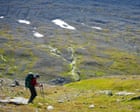
The trail winds through landscapes that define Scandinavian wilderness. Hikers traverse exposed ridgelines, navigate boulder fields, and cross rushing mountain streams that swell with snowmelt. The route passes through traditional Sami lands, territories where indigenous reindeer herding communities have lived for centuries. This cultural dimension adds depth to the physical challenge. Walkers become temporary visitors to spaces shaped by centuries of Sami presence and traditions.
Unlike Western European pilgrimage routes such as the Camino de Santiago in Spain or the GR65 in France, which offer developed networks of hostels, restaurants, and marked towns, the Präststigen remains deliberately primitive. Trekkers camp or use basic mountain huts. Self-sufficiency matters. Supplies must be carried or cached beforehand. The isolation that makes this route challenging also preserves its authenticity. No commercialization softens the experience. No gift shops crowd the chapel entrance.
This aligns with broader European pilgrimage trends. While traditional routes experience overcrowding, alternative trails attract serious walkers seeking solitude and genuine challenge. Trekkers in their 40s, 50s, and beyond increasingly choose demanding routes over leisurely town-to-town walks. The Präststigen appeals to this demographic. It rewards fitness and preparation without requiring technical climbing skills.
The priest at Alkavare, Mogens Amstrup Jacobsen, embodies the practical spirituality this landscape demands. He wears Gore-Tex rain jackets alongside his clerical collar, understanding that faith and function merge in these mountains. The chapel services accommodate muddy boots and soaked clothing as spiritual worshippers shed their expedition gear in the wooden pews.
Travel to the Präststigen requires reaching northern Sweden first. Most trekkers fly into Stockholm on major carriers like SAS Scandinavian Airlines or Norwegian Air, then take connecting flights or trains northward. Summer months, roughly June through August, offer the only realistic window for attempts. Even then, weather remains unpredictable.
The Präststigen attracts roughly 1,000 pilgrims annually, a number that reflects both its difficulty and obscurity. Unlike the Camino, which hosts 200,000 walkers yearly, this route remains genuinely remote. Accommodation costs prove minimal since camping dominates, though trekkers should budget for proper equipment and food supplies. Physical demands exceed cost as the primary barrier to entry.
This trail represents pilgrimage stripped to its essence. Stripped of comfort, commerce, and crowds, it asks walkers to find meaning through challenge, isolation, and connection to landscape. For those seeking transformation rather than tourism, the Präststigen delivers.