# From the Andes to the Amazon: A Six-Week Riverboat Journey to Brazil's Gateway
Belém, Brazil sits at the mouth of the Amazon River, hosting the 2025 COP30 climate conference. This convergence of global climate discussions and one of Earth's most biodiverse regions has thrust the city into the spotlight for travelers seeking authentic Amazonian experiences. A six-week riverboat adventure from the Andes to Belém offers an immersive journey through this transformed landscape, where questions about sustainable tourism, agricultural impact, and conservation compete for attention.
The journey begins high in the Andes mountains and descends through river systems into the Amazon basin, eventually reaching Belém as the final destination. This route traces one of South America's most dramatic geographical transitions, moving from highland ecosystems through cloud forests and into the world's largest tropical rainforest. The slow pace of riverboat travel allows passengers to absorb the landscape's complexity rather than rushing through it.
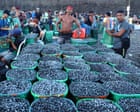
Belém itself functions as the Amazon's gateway to the Atlantic. The city's Ver-o-Peso market represents a living encyclopedia of Amazonian biodiversity. Beyond the familiar fruits like pineapple and mango, travelers encounter regional specialties. Bacuri, buriti, muruci, mangaba, tucumã, and uxi represent fruits most international visitors have never encountered. These native fruits sustain both local communities and wildlife, yet their cultivation and commercialization raise questions about land use and sustainability.
The timing of this journey cannot be separated from Belém's role hosting COP30. The conference brings heightened scrutiny to the region's ecological health and the tensions between economic development and conservation. Riverboat operators and tourism businesses face pressure to demonstrate sustainable practices. This includes limiting passenger numbers, employing local guides with environmental knowledge, and ensuring tourism revenue supports rather than undermines forest protection.
Multi-week river journeys typically cost between $3,000 and $8,000 per person, depending on accommodation standards and included activities. Budget operators offer shared cabins and basic amenities, while luxury riverboat companies like Explorers Inn provide naturalist guides and enhanced comfort. Most reputable operators restrict group sizes to 20 to 40 passengers to minimize environmental impact.
The journey raises practical considerations for travelers. Six weeks demands significant time away from work or family commitments. Vaccinations for yellow fever and typhoid become necessary. Packing for variable climates from high altitude to humid tropical zones requires careful planning. Travelers should carry water purification tablets, insect repellent rated for Amazonian mosquitoes, and quick-dry clothing.
The COP30 conference backdrop adds layer to any Belém visit. Climate activists, scientists, and policymakers will converge on the city to debate environmental policies. This creates both opportunities and challenges. Hotel availability tightens around the conference dates. Local guides provide deeper context about climate change impacts on the Amazon itself. Travelers witness firsthand how global environmental debates translate into regional reality.
This journey represents a particular kind of travel experience. It combines adventure tourism with environmental education and encounters uncomfortable truths about deforestation, agricultural pressure, and indigenous land rights. Travelers gain knowledge of Amazonian ecology while confronting their own carbon footprint from the journey itself. The riverboat approach, though lengthy, offers a lower-impact alternative to flying between multiple Amazon lodges.
For travelers seeking substantive engagement with the Amazon rather than brief tourist experiences, a six-week riverboat expedition to Belém delivers immersion in one of Earth's defining ecosystems during a pivotal moment in global climate politics.