# Lost in Thailand's Rainforest: How a Stranger's Kindness Saved a Traveler's Life
A solo backpacker's search for a hidden waterfall in southern Thailand nearly ended in tragedy, until an American traveler stepped in with an act of selfless intervention that would reshape how both travelers viewed human connection.
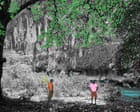
The incident occurred in 2003 when the author, traveling alone through Southeast Asia, met Paul at a youth hostel somewhere in southern Thailand. Staff at the hostel mentioned an incredible waterfall hidden deep in the rainforest nearby. The two backpackers, drawn by the promise of adventure and natural beauty, decided to seek it out together.
What began as an afternoon excursion into pristine jungle turned into a grueling ordeal. The trail proved far more difficult than anticipated. Dense vegetation, unforgiving terrain, and the disorienting nature of rainforest navigation quickly turned their waterfall hunt into a survival situation. The author suffered a serious injury that rendered walking nearly impossible.
As darkness approached and the situation grew increasingly dire, the true character of a stranger became evident. Rather than abandon his newfound friend or simply offer verbal encouragement, Paul made the decision to carry the injured traveler through the rainforest for hours. The physical toll proved immense. They moved slowly, painfully, through the thick undergrowth and fading light. For hours they hobbled together, with Paul shouldering both his own weight and that of his injured companion.
Only when they drew close enough to civilization did Paul finally place his exhausted friend down and run for help. The effort required to navigate rainforest terrain while supporting another person's full weight demonstrates the extraordinary lengths some travelers go to protect one another.
This story sits at the heart of the Guardian's "Kindness of Strangers" series, which explores moments when travelers have been rescued, assisted, or profoundly aided by people they barely knew. Such encounters reshape expectations about human nature and the bonds that form between backpackers thrown together by circumstance and proximity.
For budget travelers and backpackers, these moments highlight both the risks and rewards of solo travel through remote destinations like Thailand. The country draws hundreds of thousands of backpackers annually to its beaches, temples, and rainforests. Many undertake adventures in rural areas without extensive preparation or local guides. While most encounters end safely, getting lost in Thai jungle terrain remains a genuine hazard. Poor trails, lack of signage, and the dense vegetation can quickly disorient even experienced hikers.
The story also underscores why hostels remain popular among budget travelers. They provide not just affordable accommodation but also connections with other travelers who become allies, companions, and sometimes lifesavers. A chance conversation at a youth hostel led to both friendship and, ultimately, survival.
Paul's actions reflect a spirit common in backpacking culture: the understanding that travelers depend on each other's goodwill and physical assistance in moments of crisis. In 2003, before smartphones provided GPS navigation and satellite communication, getting lost in remote areas carried genuine danger. Mobile networks were unreliable. Traditional maps proved insufficient.
The ordeal serves as both cautionary tale and testament to human decency. Seeking undocumented waterfalls in Thai rainforests remains popular among adventurous travelers. The lesson here runs deeper than practical advice about trail safety. It speaks to the profound connections formed when strangers face hardship together, and how one person's decision to stay and carry another through darkness changes everything.