# African Ruins That Demand Your Travel Bucket List
Africa hosts some of Earth's most profound archaeological treasures, yet many Western travelers overlook them in favor of European sites. From pharaonic temples to Roman settlements, the continent offers layers of human history spanning millennia.
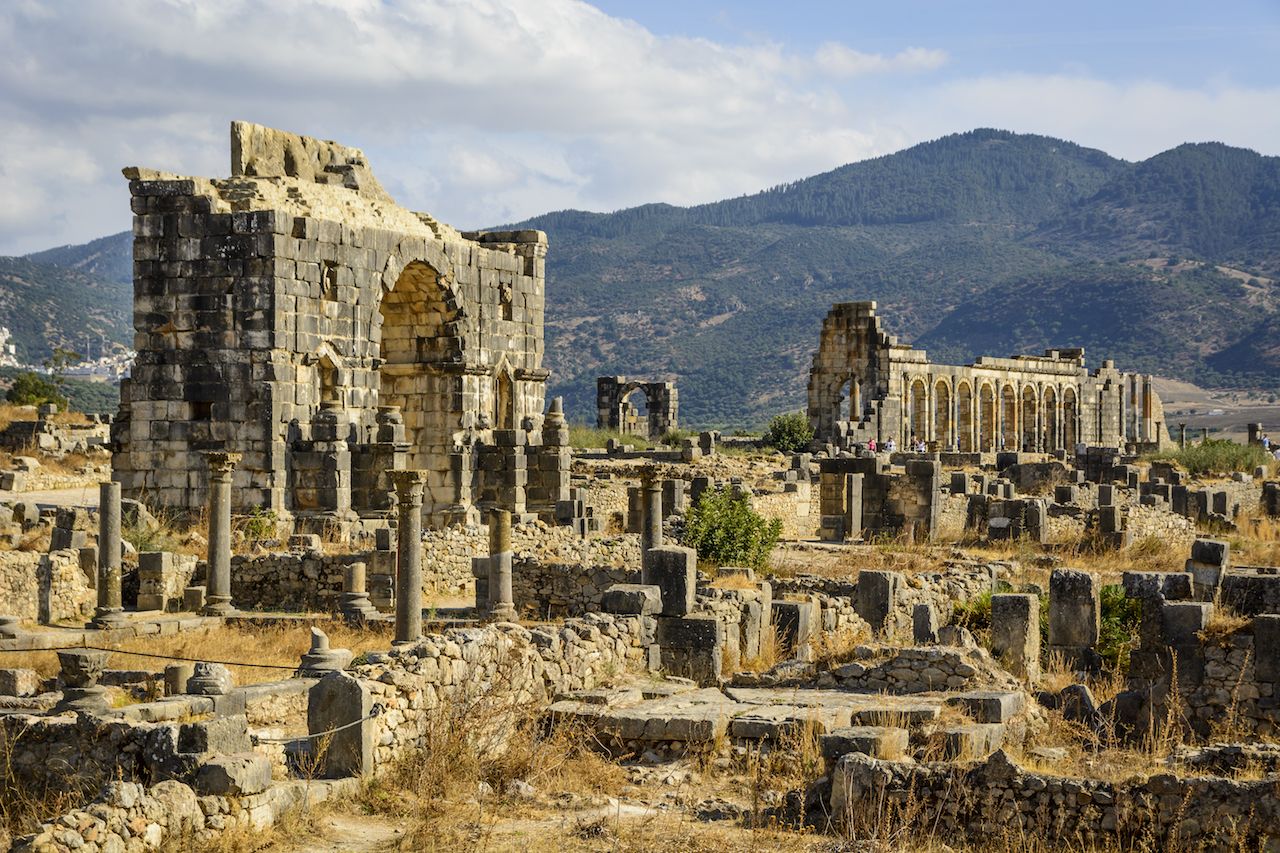
Volubulis in Morocco ranks among Africa's most accessible Roman ruins. Located near Meknes, this UNESCO World Heritage site sits roughly 50 kilometers from Fez, making it a logical add-on for travelers exploring Morocco's imperial cities. The site preserves intricate mosaics, reconstructed columns, and administrative buildings that once served as the capital of the Mauretanian Kingdom under Roman rule. Direct flights from North America and Europe land in Fez regularly via Royal Air Maroc and European carriers. Budget hotels in Meknes run $30-60 per night, placing this within reach of modest budgets.
Egypt's Valley of the Kings remains the continent's heavyweight champion for archaeological tourism. Located across the Nile from Luxor, this necropolis contains 63 royal tombs, including Tutankhamun's. A Luxor visit requires flying into Cairo (served by EgyptAir, British Airways, and others) before connecting south. The journey takes about 90 minutes by plane. Hotel options range from budget hostels under $20 to five-star properties like the Sofitel Winter Palace Luxor exceeding $300 nightly.
Ethiopia's Lalibela presents a starkly different archaeological experience. Eleven rock-hewn churches carved directly from volcanic stone date to the 12th century. Ethiopian Airlines operates most international flights into Addis Ababa before routing travelers to the remote northern city. The journey reflects Ethiopia's status as Africa's least colonized nation, and the spiritual atmosphere of these UNESCO sites remains remarkably authentic. Guesthouses near the churches cost $15-40 per night.
Zimbabwe's Great Zimbabwe represents sub-Saharan Africa's most sophisticated pre-colonial urban center. Located 30 kilometers south of Masvingo, this 15th-century stone city sprawls across 1,800 acres and anchors any serious history traveler's itinerary. Zimbabwe's tourism infrastructure remains modest compared to Egypt or Morocco, but that translates to fewer crowds and lower costs. Local operators organize guided tours for $50-100 per person.
Ghana's Cape Coast Castle stands as a sobering reminder of the transatlantic slave trade. Multiple European nations constructed fortified trading posts along Ghana's coast. Cape Coast Castle, originally built by the Swedish in 1653, later passed through Danish, British, and other hands. Dungeon tours operate daily and require mental preparation. Accra lies two hours south by road, with regular international flights via Asky and other carriers.
Timing matters significantly. October through March offers optimal conditions across most African sites, avoiding peak heat and rainy seasons. Costs vary dramatically. Budget travelers spending $30-50 daily can explore Morocco's ruins comfortably. Egypt requires $50-80 daily for mid-range comfort. Ethiopia and Zimbabwe offer exceptional value, with daily budgets under $40 possible for independent travelers.
Travel insurance and yellow fever vaccination requirements vary by destination and origin country. Visa policies differ substantially. Morocco allows visa-free entry for most Western passport holders. Egypt requires advance visas for Americans and many others. Ethiopia offers visa-on-arrival for most nationalities at Addis Ababa airport.
These African ruins represent humanity's architectural evolution across centuries. Each site tells distinct stories of trade networks, religious devotion, imperial power, and cultural achievement that shaped world history.