# Canada's First UNESCO Creative City of Gastronomy Takes Root in British Columbia Valley
The Okanagan Valley in British Columbia has earned a distinction that sets it apart from every other Canadian destination: UNESCO Creative City of Gastronomy status. This designation marks the first time Canada has received recognition in this prestigious category, elevating the region's profile as a culinary and agricultural hub on the global stage.
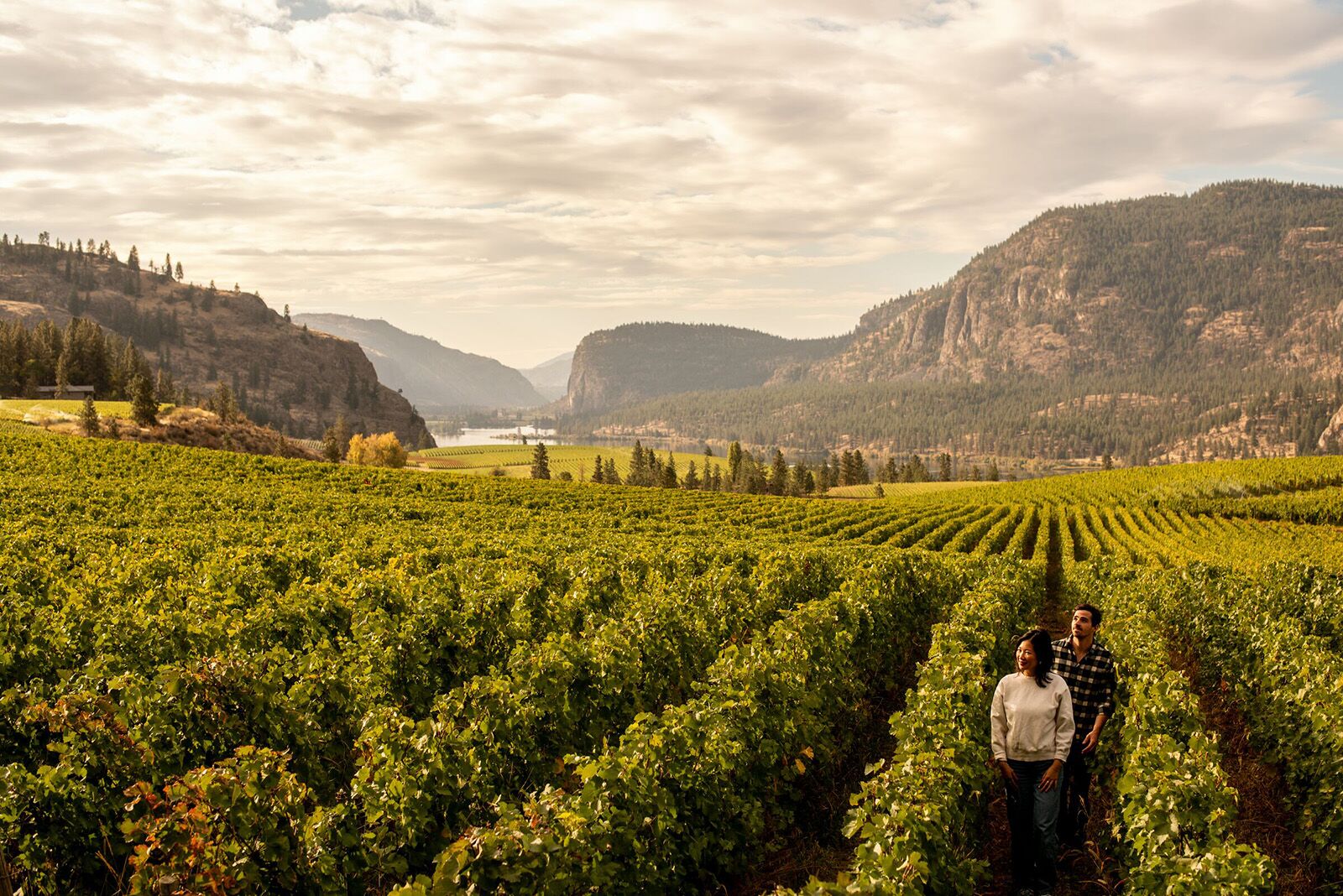
The Okanagan Valley stretches across south-central British Columbia, encompassing communities like Kelowna, Penticton, and Vernon. The region produces over 90 percent of Canada's wine and grows abundant fruits, vegetables, and other local ingredients that define contemporary Canadian cuisine. This agricultural foundation directly supports the valley's thriving restaurant scene, farm-to-table operations, and food-focused tourism offerings.
UNESCO's Creative Cities Network recognizes cities and regions that champion creativity as a strategic tool for sustainable urban and rural development. The gastronomy category specifically honors places where food culture drives economic growth, preserves cultural heritage, and fosters innovation. The Okanagan Valley's selection reflects decades of investment in viticulture, agritourism, and culinary excellence that have transformed the region into Canada's premier food and wine destination.
The valley's wine reputation rests on over 200 wineries producing world-class Pinot Noir, Chardonnay, Merlot, and other varietals. Major producers like Mission Hill, Tinhorn Creek, and Nk'Mip Cellars attract wine tourists year-round. Beyond wine, the region cultivates apples, cherries, peaches, and berries that supply local restaurants and markets. This agricultural diversity creates a compelling narrative for food-focused travelers seeking authentic, locally-sourced experiences.
The UNESCO designation opens doors for culinary tourism development and international partnerships. It positions the Okanagan Valley alongside elite gastronomy destinations like San Sebastian in Spain, Lyon in France, and Parma in Italy. For travelers planning trips to Canada, this recognition signals an emerging destination where food and wine experiences rival those found in established culinary capitals.
Visitors can explore the valley's offerings through multiple lenses. The Okanagan Wine Tours operates guided tastings across multiple wineries. Kelowna's downtown restaurant district, anchored by establishments focusing on local ingredients, provides sophisticated dining. The region also supports agritourism experiences, including farm stays, pick-your-own orchards, and cooking classes emphasizing regional produce.
Cycling infrastructure throughout the valley supports active tourism. The Okanagan Rail Trail spans 58 kilometers between Vernon and Kelowna, offering scenic routes through vineyards and orchards. Biking routes connect wineries, farm stands, and restaurants, allowing travelers to experience the landscape at a human pace while working up appetites for meals ahead.
Accommodation options range from budget-friendly motels to luxury resorts. Summerland and Penticton offer waterfront lodging near Okanagan Lake, while Kelowna provides urban amenities. Many wineries now offer on-site accommodations, enabling multi-day immersive experiences.
The UNESCO designation reflects tourism trends favoring authentic, place-based experiences over generic attractions. Travelers increasingly seek destinations where food connects directly to land, culture, and community. The Okanagan Valley's recognition validates this approach and invites global visitors to discover how Canadian agriculture, viticulture, and culinary innovation converge in a single valley that deserves prominence on any serious food traveler's itinerary.