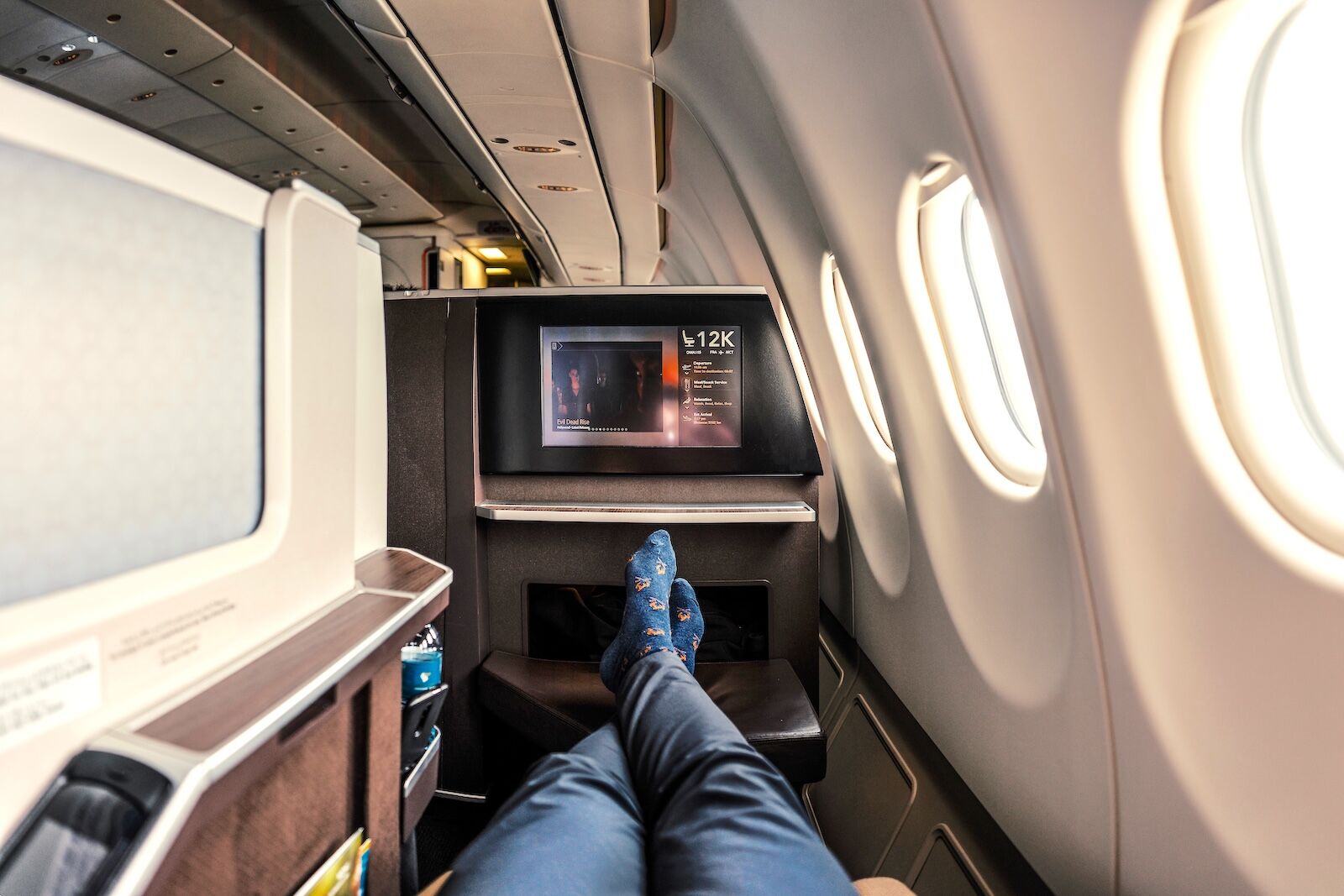
# Airline Miles Strategy Shifts as Upgrade Availability Plummets
Free airline upgrades have become nearly extinct in 2024, forcing frequent flyers to overhaul their rewards strategies entirely. What once represented a reliable perk from loyalty programs now requires specific tactics and creative redemption approaches to extract real value from accumulated miles.
The erosion of upgrade availability stems from multiple industry factors. Airlines have reduced complimentary upgrade inventory as premium cabin demand has strengthened post-pandemic. Carriers including Delta, United, and American have tightened elite status requirements and shifted upgrade benefits toward paid certificates rather than automatic awards. Simultaneously, revenue management systems have grown more sophisticated, with airlines reserving fewer seats for operational upgrades or loyalty rewards.
This shift reshapes how savvy travelers should approach loyalty program enrollment. Rather than chasing status for upgrade perks, strategic flyers now focus on direct cash redemptions where award availability aligns better with actual travel demand. Industry analysts note that premium cabin redemptions through paid upgrades or positioning strategies deliver more consistent results than hoping for complimentary cabin bumps.
The most effective current approach involves three core tactics. First, flyers should target off-peak travel windows where award inventory opens more readily. Booking for Tuesday and Wednesday departures, or flying during shoulder seasons, significantly increases chances of securing premium redemptions. Airlines release limited inventory on popular Friday and Sunday routes, making weekday flights substantially cheaper in miles.
Second, accumulate miles strategically through credit card spending rather than flights alone. Premium travel credit cards, particularly those earning five to six points per dollar on dining and groceries, generate miles faster than flying. Cards like Chase Sapphire Reserve or American Express Platinum, combined with everyday spending, create a diversified earning engine independent of actual air travel frequency.
Third, explore mixed-cabin strategies. One-way redemptions often cost fewer miles than round trips, and combining short paid segments with award flights sometimes delivers better value. Some flyers book economy awards for longer segments while purchasing premium cabin tickets for shorter connections, effectively upgrading without relying on airline loyalty status.
The traditional upgrade mentality has shifted entirely. Status levels like Gold, Platinum, and Diamond with United, Delta, or American rarely guarantee cabin upgrades anymore unless coupled with paid upgrade certificates. Frequent flyers report that elite status now primarily delivers lounge access, priority boarding, and baggage benefits rather than cabin advancement.
Airlines have introduced elite monetization through purchase-based upgrade options. Delta's upgrade certificates, United's Premium Plus upgrades, and American's systemwide upgrade certificates now function as premium currency. Savvy loyalty program members strategically save these certificates for high-value routes where paid upgrades exceed $200 to $300 per segment.
The credit card ecosystem has simultaneously evolved to capture the upgrade-hunting segment. Premium card issuers offer airline fee credits covering seat selections and baggage rather than promising upgrades directly. This redirects value toward annual retention spending rather than aspirational travel benefits.
For 2024 and beyond, loyalty strategists recommend abandoning upgrade-focused status chasing entirely. Instead, focus miles on economy award bookings, premium cabin redemptions during low-demand periods, and consistent credit card accumulation. The era of free upgrades rewarding loyalty has definitively ended. Travelers who adapt to points-based direct redemption strategies will extract substantially more value from airline loyalty programs than those still hoping for complimentary cabin movement.