# Mountain Huts Across Europe Offer Remote Refuge, History, and Camaraderie at Budget Prices
Mountain huts across Europe deliver what hotels cannot: isolation, authenticity, and stories etched into their walls. These refuges range from converted military installations to centuries-old stone bothies, offering hikers and climbers affordable overnight stays with views that justify the effort required to reach them.
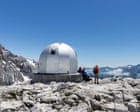
Cabaña Verónica in Spain's Picos de Europa exemplifies this appeal. Perched at 2,325 metres, the six-bed hut requires a two-hour trek from the nearest cable car station. What makes it extraordinary is its provenance. The structure itself once served as a gun turret on a US Navy battleship scrapped in Bilbao in 1960. An enterprising engineer named Conrado Senties transported it up the mountainside on horseback and reassembled it, creating a functional and utterly unique refuge. The custodian maintains the property meticulously, and the views justify every step of the ascent.
This approach to mountain accommodation reflects a broader European trend. Hikers increasingly reject chain hotels and mountain resorts in favour of simple, characterful refuges that connect them to landscape and history simultaneously. These huts typically cost far less than alpine hotels. A night at most refuges ranges from 30 to 60 euros, compared to 150 to 300 euros for comparable mountain lodge experiences.
The best European mountain huts share common features. They sit in spectacular locations, accessible only by serious footwork. They maintain historical significance or architectural distinction. They foster community among guests, often serving simple shared meals that build camaraderie among strangers. Many operate seasonally, typically June through September, when Alpine snow melts and trails open.
Europe's mountain hut networks serve different regions and climbing seasons. The Swiss Alps feature the famous hut-to-hut hiking routes via the Tour du Mont Blanc and the Appalachian Trail equivalent, the Haute Route. Scotland's remote bothies, unmanned stone shelters scattered across the Highlands and Islands, appeal to self-sufficient hikers seeking total solitude. The Dolomites in northern Italy offer rifugios providing hearty regional cuisine and wine lists that rival restaurants in Venice.
Mountain huts typically operate on an honour system or pre-booking basis. Organizations like the Alpine Club and the Austrian Alpine Club maintain networks of affiliated properties. Many require membership for discounts, though non-members can usually stay for modest premiums. Most provide mattresses and blankets; hikers typically bring sleeping bags.
The appeal extends beyond budget considerations. Mountain huts create spaces where hikers share meals, swap route information, and form friendships despite language barriers. A stranger from Belgium might exchange stories with a climber from Slovenia over simple pasta and local wine. This social element separates mountain huts from the isolating experience of commercial hotels.
For travellers planning Alpine adventures, these refuges offer unbeatable value and authentic experience. Reserve beds during peak July and August months, when popular huts fill weeks ahead. Spring and autumn deliver fewer crowds and equally stunning conditions. Bring cash, as many remote huts lack card readers. Download offline maps, as mobile signal proves unreliable above certain elevations.
Mountain huts represent a uniquely European approach to mountain travel. They preserve heritage, foster community, and deliver incomparable views without requiring deep pockets or commercial compromises.