# European Urban Hiking: Escape the City Without Leaving It
Europe's greatest cities don't require flights to the countryside. Hikers can access world-class trails from Edinburgh to Barcelona, combining cultural exploration with serious elevation gain in a single day trip.
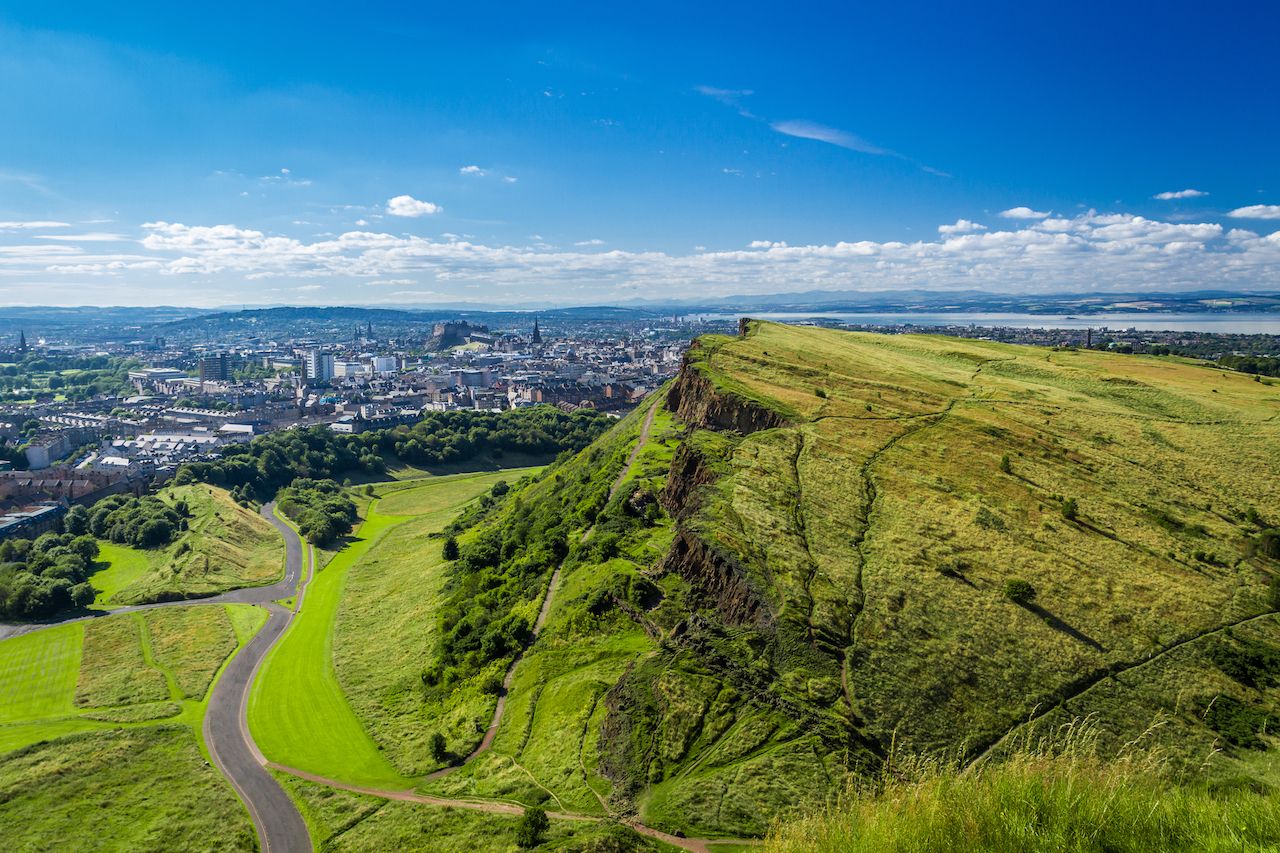
Edinburgh stands out as a hiking destination disguised as a city break. Arthur's Seat, an extinct volcano rising 250 meters above the Scottish capital, delivers panoramic views of the Firth of Forth and the city's Georgian architecture in under an hour. The trail begins steps from Waverley Station, where trains from London Kings Cross arrive daily. Budget airlines like Ryanair and EasyJet operate multiple daily flights from most major European hubs, with tickets often undercutting £50 return. Visitors can grab coffee at local cafes before tackling the steep final ascent.
Barcelona hikers should head to Montserrat, a jagged mountain range 50 kilometers northwest accessible via the R5 train from Plaça d'Espanya station. The railway journey takes 90 minutes and costs under €12 return. Trails range from easy 45-minute loops to demanding full-day expeditions passing rock formations, Benedictine monasteries, and Catalan pine forests. Stay overnight at Montserrat Monastery's own accommodations if you want to hike at dawn.
Berlin offers surprising wilderness. The Grunewald Forest trails stretch for kilometers through beech and pine woods, accessible via U3 subway from Potsdamer Platz. This means hikers can breakfast in Mitte and be in dense forest within 30 minutes. The Müggelsberge hills near Köpenick provide Berlin's highest elevation hikes, with trails crossing glacial lakes and protected wetlands.
Lisbon hikers tackle the Serra da Sintra mountains, 35 kilometers north of the Portuguese capital. Regional trains from Rossio Station reach Sintra town in 40 minutes. The Pena Palace to Convento dos Capuchos loop combines hiking with UNESCO World Heritage exploration. Afternoon crowds dwindle after 3pm, so aim for late-start hikes to experience pine forests and mountain vistas in relative solitude.
Vienna's proximity to the Danube Valley creates instant access to serious alpine terrain. The Wienerwald foothills begin at tram stops on the city's edge. More ambitious hikers take regional trains to Bad Voslau or Grinzing for full-day alpine routes with hut-to-hut options. The ÖBB rail system connects seamlessly with trail networks.
Near-city hiking has exploded across Europe as travelers seek active breaks that blend culture with fitness. Budget airlines now market these day-trip combinations directly. Hotels in Edinburgh, Barcelona, Lisbon, and Vienna increasingly offer hiking guides and packed lunch services. This trend reflects broader shifts toward experiential travel that stacks multiple activities into single urban visits.
Most of these hikes require minimal gear. Sturdy walking shoes matter more than specialized equipment. Spring and autumn offer ideal conditions with fewer tourists and stable weather across all these destinations.