# Cold Water Calls: Wild Swimming's Allure in Scotland's Cairngorms
Wild swimming in Scotland has shifted from niche pursuit to mainstream adventure travel. Joe Minihane, author and cold-water enthusiast, captures this trend perfectly in his recent reflection on dawn swimming at Loch an Eilein, a remote loch nestled within the Cairngorms National Park.
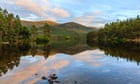
Minihane's account reveals why this form of travel appeals to modern adventurers. Three summers ago, he and a friend Ben arrived at Loch an Eilein in a campervan, camping overnight on its banks to secure an early morning swim before other visitors arrived. They were awakened at dawn by jackdaws erupting from the ruined castle perched on a small island just offshore, mist rolling across water so cold it barely registered above freezing.
The Cairngorms represent one of the UK's most accessible wild swimming destinations. Located in the Scottish Highlands near Aviemore and Braemar, the region hosts dozens of lochs and mountain pools ideal for immersion swimmers. Loch an Eilein stands out for its dramatic setting: the 15th-century ruins of Eilean Comhghall castle dominate the island, creating the kind of postcard scenery that drives travel to remote Scottish locations.
What makes Minihane's account particularly telling is the ritual. He pulled on swimming shorts in near-freezing conditions, prioritizing the experience of solitude over comfort. The promise of swimming before crowds arrived justified the physical shock of immersion. He swam head-up, keeping his hair dry, while watching the castle loom above him. Rolling onto his back offered new perspectives of the landscape, transforming a simple swim into an act of presence and observation.
This shift toward intentional cold-water experiences reflects broader travel patterns. Wild swimming tourism in Scotland has exploded over the past five years. Operators now offer guided swims at locations like Loch Morlich, Loch Lomond, and various Highland burns. Accommodation options have evolved accordingly. Beyond basic campervans, visitors now find purpose-built glamping pods, bothies, and small hotels catering specifically to outdoor enthusiasts.
The economics work. A week of wild swimming exploration in the Cairngorms costs significantly less than comparable European adventure travel. Campervans rent for 40 to 60 pounds daily. Most swims are free. Nearby towns like Aviemore offer budget accommodation from 20 pounds in hostels to 80 pounds in modest hotels. This accessibility democratizes adventure travel, attracting families and casual travelers alongside hardcore cold-water swimmers.
The timing matters too. Early morning swims, as Minihane discovered, offer solitude and exceptional light. Mist rising from lochs creates atmospheric conditions rarely found during peak daylight hours. This element of pilgrimage, arriving before dawn to claim a private experience, shapes how travelers now plan Scottish trips.
Loch an Eilein itself draws perhaps 50,000 visitors annually to its shoreside car park and walking trails. Most visit for hiking and photography. Wild swimmers represent a small but growing segment. The loch's shallow bay near the car park offers relatively safe entry points, while stronger swimmers venture toward the castle. Water temperatures range from 8 degrees Celsius in winter to 14 degrees in summer, necessitating either wetsuit protection or genuine cold-water acclimatization.
Minihane's memory encapsulates why this specific form of travel resonates now. It combines solitude, physical challenge, natural beauty, and accessibility. No expensive gear required. No guides necessary, though many opt for them. Just arrival, immersion, and the landscape's unfiltered presence.