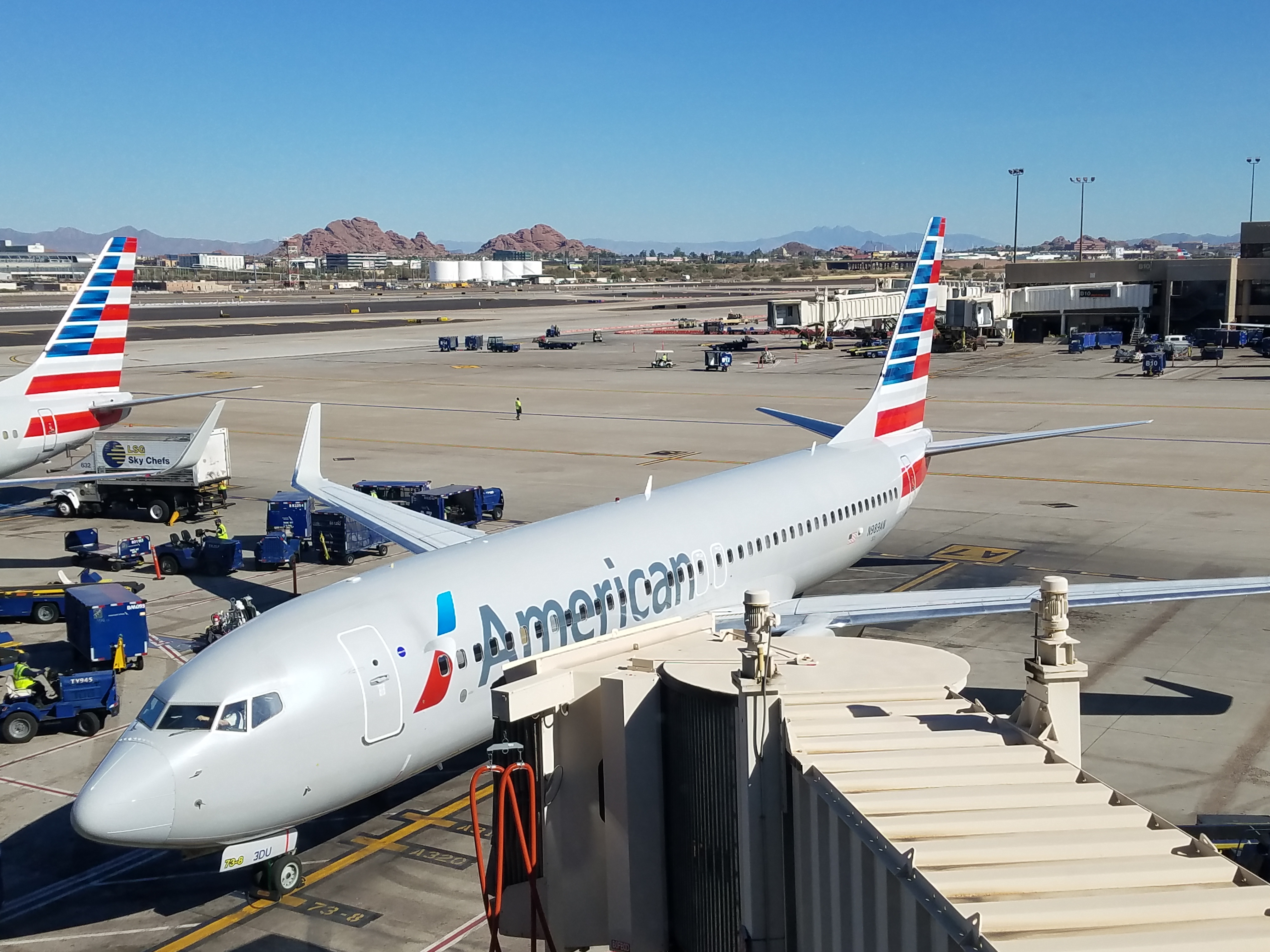
American Airlines plans to vacate its current Phoenix Sky Harbor International Airport terminal in the coming years, opening a path for Southwest Airlines to expand its footprint at one of the nation's busiest southwestern hubs.
American is investing $4.5 billion in a state-of-the-art facility slated to open in late 2033. The new terminal will feature expanded international capabilities and premium cabin amenities, reflecting the carrier's commitment to modernizing its western operations. The move represents a significant infrastructure shift at Phoenix Sky Harbor, where American and Southwest collectively control roughly 73 percent of passenger traffic.
The real winner in this shuffle may be Southwest. By relocating from Terminal 4, American creates valuable gate capacity that Southwest can absorb. This expansion gives Southwest room to grow its Phoenix operations without competing for limited resources. Phoenix serves as a major focus city for Southwest, and additional gate access translates directly into more flights and destinations for the carrier's passengers.
Phoenix Sky Harbor itself stands to benefit substantially. The airport has experienced consistent growth, with passenger traffic recovering strongly post-pandemic. American's new terminal addresses long-standing capacity constraints and brings modern amenities expected at premier U.S. hubs. International destinations have become increasingly important for western carriers, and the expanded international facilities align with market demand. The new terminal will likely attract additional carriers and routes, reducing duopoly dominance and expanding options for travelers.
The timeline matters for travelers planning ahead. With a late 2033 completion target, passengers will experience disruption during construction phases. American will likely operate from temporary facilities or reduced gate capacity as the new terminal takes shape. Frequent flyer programs, ground services, and baggage handling procedures may shift during the transition. Travelers should expect temporary inconvenience offset by long-term benefits once the modern facility opens.
For travelers booking from Phoenix, the near-term landscape remains dominated by American and Southwest. Choice and pricing reflect this duopoly reality. Once the new terminal opens and Southwest gains expanded capacity, competition may intensify. More flights and competitive pressure typically drive fares down, benefiting leisure and business travelers alike.
The $4.5 billion investment signals American's confidence in western growth markets. Phoenix ranks among the fastest-growing metropolitan areas in the United States, with population growth outpacing infrastructure development. American's expansion addresses both current demand and anticipated future passenger growth.
Southwest's position strengthens considerably. The carrier operates more flights from Phoenix than any other destination except Las Vegas, making this hub essential to its network. Additional gates and aircraft parking positions enable Southwest to launch new routes, increase frequency on existing flights, and better serve connecting passengers. This operational breathing room arrives at a pivotal moment as Southwest modernizes its fleet with Boeing 737 MAX aircraft and refines its network strategy.
The Phoenix market represents the western battlefield for U.S. carriers. American's significant new investment, coupled with Southwest's position to expand, shapes competitive dynamics for the next decade. Passengers benefit when carriers invest in infrastructure and capacity. The 2033 terminal opening marks a turning point for Phoenix Sky Harbor, promising improved amenities, expanded service options, and enhanced connectivity across the Americas.