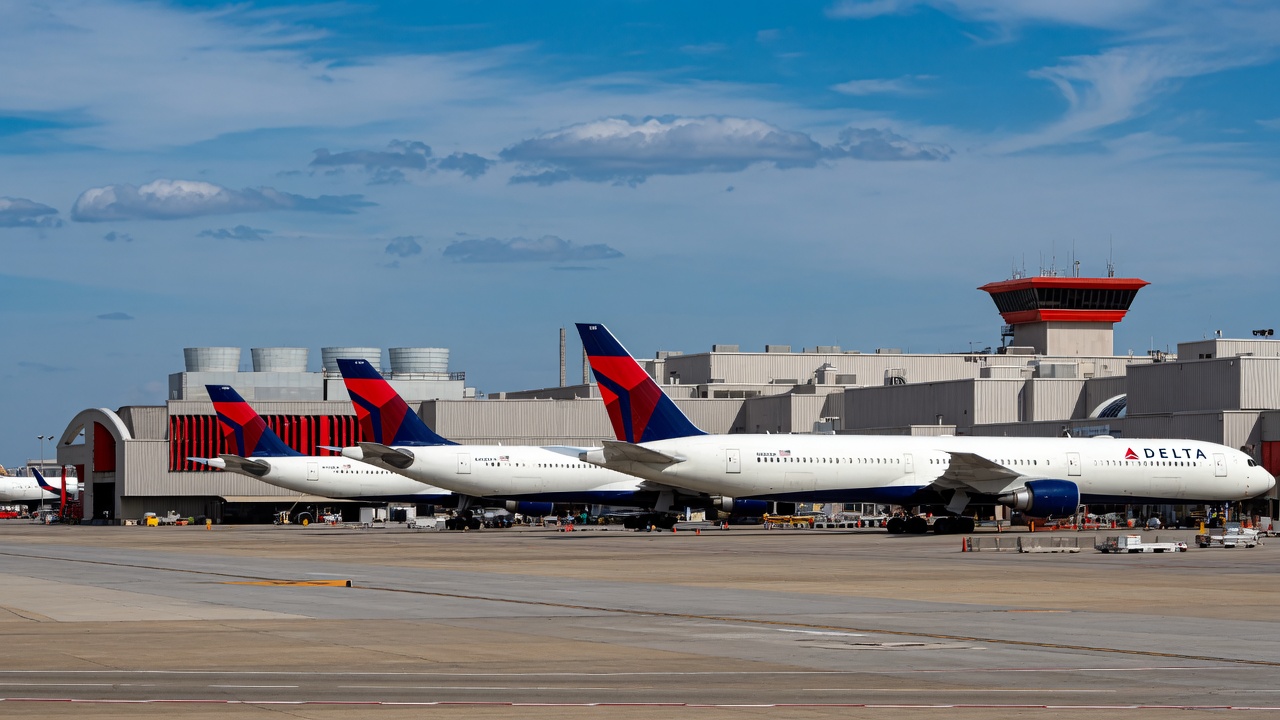
A Delta Air Lines pilot taxiing out of Hartsfield-Jackson Atlanta International Airport made an unusual discovery on the tarmac: a pair of pantyhose lying on the runway. The pilot's bemused radio call captured a moment that encapsulates a broader problem plaguing major U.S. airports: loose luggage and personal items scattering across taxiways and runways.
Flight Delta 539 reported the pantyhose to ground control, prompting a response from air traffic controllers that reflected the absurdity of the situation. The pilot's comment, "I don't want to know how you even lose those?" highlighted what has become an increasingly common headache for airport operations nationwide. The discovery was not an isolated incident at Atlanta's massive dual-runway complex. Earlier reports that same day noted a shoe, gloves, and a hat similarly abandoned on the tarmac. These wayward items pose genuine safety risks. Loose objects on active taxiways create debris hazards that can damage aircraft tires, engines, and other critical systems. They also disrupt ground operations and require tarmada sweeps that delay departures and arrivals.
Atlanta's Hartsfield-Jackson consistently ranks as the world's busiest airport by passenger volume, handling roughly 275,000 passengers daily across its two major runways and numerous taxiways. The volume of traffic means even small hazards compound quickly. When ground crews discover debris, they must clear the taxiway or runway, halting other aircraft movements until the area is secured.
The pantyhose incident points to broader luggage handling challenges at major hubs. Loose items typically fall from overhead bins, cargo holds, or passenger bags during loading and unloading. Poor packing, overstuffed luggage, and rushed ground operations create perfect conditions for items to spill onto the tarmac. Delta has invested in baggage handling technology and staff training, but the sheer passenger volume at ATL tests these systems daily.
For travelers planning connections through Atlanta, these operational hiccups rarely cause noticeable delays. However, repeated tarmac intrusions suggest that ground crews are stretched thin during peak travel periods. The summer travel season and holiday peaks place enormous strain on baggage handlers working under tight turnaround windows, often just 30 minutes between flights for major carriers.
The pantyhose discovery also highlights what airport operations experts call "foreign object debris," or FOD. Major U.S. airports including Dallas Fort Worth, Los Angeles International, and Chicago O'Hare conduct regular FOD prevention programs. These initiatives train ground crews, implement debris-catching systems around gates, and conduct frequent taxiway inspections.
For passengers flying through Atlanta, the takeaway is straightforward: pack carefully. Use luggage with secure zippers and compartments. Avoid overstuffing carry-on bags that may pop open during overhead stowage. Ensure personal items are securely fastened. While Delta's ground crews work hard to prevent items from ending up on active runways, individual travelers bear responsibility for securing their belongings properly before boarding.
The pantyhose incident became a talking point across aviation communities online, but it serves as a reminder that airport safety depends on both sophisticated infrastructure and basic human attention to detail.