# Equipment Outage Cripples Northeast Aviation Hub, Stranding Thousands
A critical equipment failure at FAA facilities paralyzed the Northeast's busiest airports Tuesday, forcing the federal agency to issue a ground stop that cascaded into hundreds of flight delays and cancellations across New York and Philadelphia.
The outage hit during peak travel season, affecting major hubs including Newark Liberty International Airport (EWR), John F. Kennedy International Airport (JFK), LaGuardia Airport (LGA), and Philadelphia International Airport (PHL). These four airports alone handle roughly 180 million passengers annually, making them the spine of East Coast connectivity.
The FAA implemented a ground stop, a regulatory tool that prevents all aircraft from departing affected airports until technical systems restore normal function. This blanket approach protects airspace integrity when critical infrastructure fails, but it leaves travelers stranded at gates, terminals, and ticket counters with minimal advance warning.
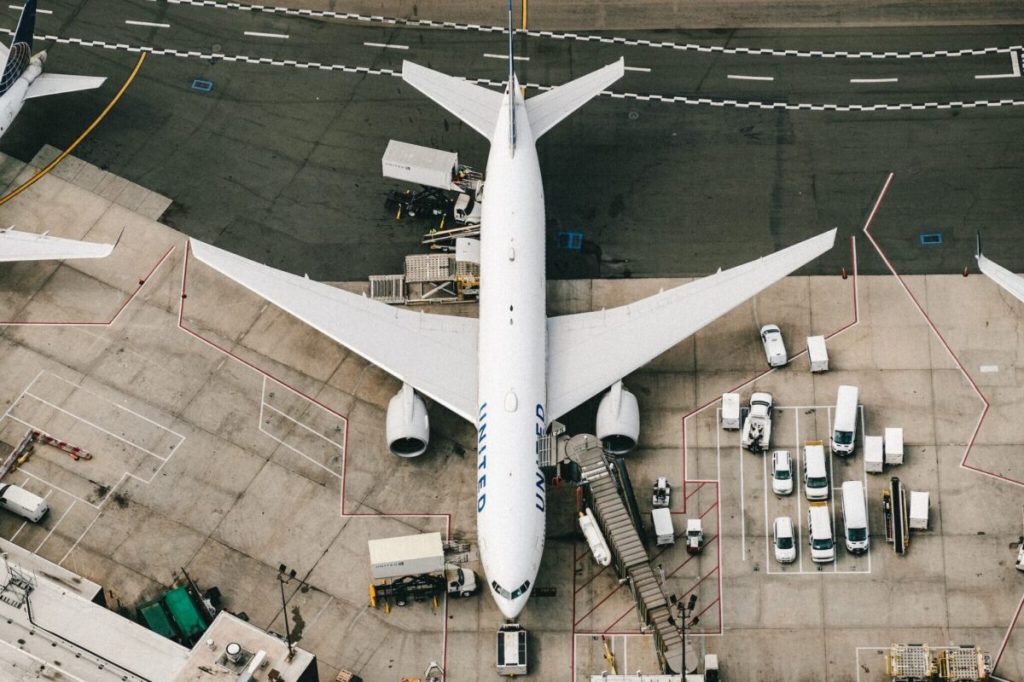
Major carriers operating from these hubs faced immediate operational chaos. United Airlines, American Airlines, JetBlue, and Southwest Airlines all reported cascading cancellations as aircraft that should have departed the Northeast remained grounded. Passengers on connecting flights found themselves stuck mid-journey, with rebooking options filling within minutes across all carriers.
The disruption exposed persistent vulnerability in American aviation infrastructure. The FAA's ground stop mechanism, while necessary for safety, demonstrates how dependent the system remains on aging equipment and centralized control points. A single equipment failure at key facilities can paralyze thousands of flights across the entire region.
Northeast airports operate on razor-thin scheduling margins. Most airlines pack departures into morning and evening push periods to maximize aircraft utilization. When a ground stop occurs during these windows, the ripple effects compound rapidly. Afternoon and evening flights get pushed back as inbound aircraft cannot depart their home bases to reach other cities on schedule.
Travelers booked on Northeast routes faced real financial consequences. Passengers on non-refundable economy fares typically receive meal vouchers and hotel accommodations only if an airline cancels rather than delays. Lengthy ground stops create a gray zone where passengers wait at airports for uncertain periods without automatic compensation.
The outage underscores why savvy Northeast travelers book connecting flights with substantial layover buffers during peak periods. A two-hour connection between New York and Miami becomes impossible when ground stops last hours. Business travelers learned years ago to avoid tight connections through the region during summer and holiday periods.
This incident adds pressure on the FAA to modernize aging NextGen air traffic control systems. The agency has spent decades implementing NextGen technology to replace 1970s-era radar and communication systems, but full deployment remains incomplete across critical facilities.
For travelers planning Northeast trips in coming weeks, expect carrier rebooking policies to remain liberal as airlines work through backlogged passengers. Prices on alternate routing through secondary airports like Baltimore-Washington International (BWI) and Hartford-Bradley International (BDL) likely spiked as travelers sought alternatives. Building extra time into Northeast connections becomes essential until underlying infrastructure improvements take effect.