Bologna's railway workers' quarter has emerged as the city's most authentic alternative to its overrun medieval centre. Located immediately north of Bologna Centrale station, Bolognina offers travellers a genuine slice of contemporary Italian urban life, free from the tourist crowds reshaping the historic city core.
The neighbourhood's transformation from industrial railway hub to cultural destination reflects a broader European trend. Cities including Berlin, London, and Barcelona have successfully revitalised post-industrial zones into creative districts. Bologna follows this pattern, converting former workers' quarters into spaces where artists, restaurateurs, and young professionals cluster. The shift matters for travellers seeking authentic experiences beyond guidebook clichés.
Bolognina's appeal lies in its distance from Bologna's medieval "Centro Storico" - the labyrinth of Renaissance palaces, churches, and towers that now drowns under tourist traffic. While that historic core retains undeniable beauty, its narrow streets fill daily with cruise passengers and package-tour groups. Hotels in the centro storico now command premium prices reflecting demand rather than value.
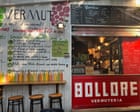
The neighbourhood hosts a thriving food and drink scene that reflects Bologna's broader culinary reputation. Street-level trattorias, wine bars, and casual osterias serve regional specialties - tortellini, mortadella, tagliatelle al ragù - at prices substantially below centro storico establishments. Independent restaurateurs control most venues, meaning meals reflect genuine local preferences rather than tourist-pleasing compromises.
Beyond dining, Bolognina hosts independent galleries, artist studios, and performance venues. This creative infrastructure attracts younger visitors and expat communities who find the neighbourhood's energy more compelling than museum queues in the old town. Street art colours once-industrial walls. Small bookshops and design studios occupy converted warehouse spaces.
The logistics favour independent travellers. Bologna Centrale station sits at Bolognina's southern edge, making the neighbourhood immediately accessible for train arrivals. The walk from platform to neighbourhood takes minutes. Regional trains connect Bologna to Venice, Florence, and Milan frequently, making Bolognina an ideal base for exploring northern Italy without sleeping in overcrowded Florence or Venice.
Accommodation options range from budget hostels to mid-range boutique hotels, with prices roughly 30-40% below comparable centro storico properties. Short-term apartment rentals through platforms like Airbnb populate the neighbourhood extensively, appealing to groups and longer stays.
Public transport infrastructure supports exploration. Bologna's flat terrain and extensive cycling network - the city ranks among Europe's most bike-friendly - make Bolognina a natural cycling base. Rental bikes cost around 15 euros daily, providing cheap access to surrounding hills and countryside.
The neighbourhood signals Bologna's broader position within Italian tourism. The city increasingly competes with established big-league destinations like Rome, Florence, Venice, and Milan for visitor spending. Tourism boards actively develop secondary neighbourhoods to distribute visitor pressure. Bolognina benefits from this strategy, receiving investment in public spaces and cultural programming specifically designed to attract international travellers away from congested historic cores.
For travellers planning northern Italy trips, Bolognina represents genuine added value. The neighbourhood delivers authentic local experience, reasonable costs, and straightforward transport connections without requiring compromise on quality.