# Northeast Air Travel Collapses After FAA System Failures Expose Critical Infrastructure Vulnerabilities
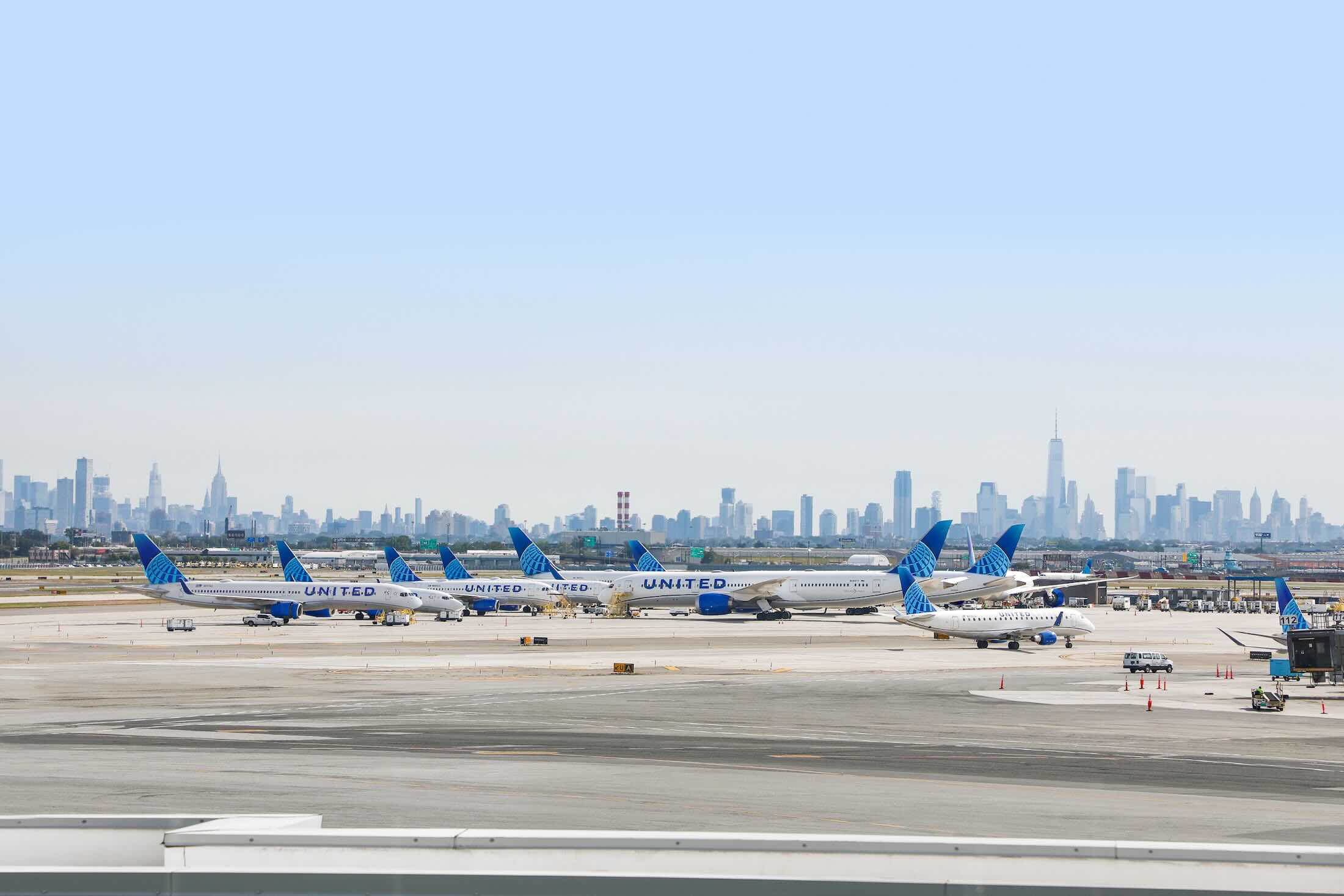
A catastrophic failure in the Federal Aviation Administration's primary communications circuit, compounded by a severed backup fiber optic line, paralyzed air traffic across the Northeast yesterday. The cascading equipment failures grounded flights, delayed thousands of passengers, and exposed dangerous gaps in redundancy systems that protect the busiest airspace in North America.
The incident unfolded when the FAA's primary circuit failed, triggering an automatic failover to backup systems. That backup line, however, had been cut. The combination left air traffic controllers across New York, New Jersey, Pennsylvania, and surrounding regions without critical communication links to aircraft. Within hours, major airports including Newark Liberty International, LaGuardia, and Philadelphia International experienced severe congestion and ground stops.
The immediate question facing regulators and industry observers concerns the severed backup cable itself. Responsibility remains contested between contractors, infrastructure operators, and FAA personnel. But the broader infrastructure question demands more urgent answers. Why does the most heavily trafficked airspace in the United States depend on a single backup line? Why does the failure of one fiber optic cable, however critical, create a system-wide collapse rather than trigger predetermined contingencies?
The Northeast hosts roughly 2,200 daily commercial flights through New York Center airspace alone. This region serves as the gateway for transatlantic operations, connecting millions of passengers annually to Europe through carriers including American Airlines, United Airlines, JetBlue Airways, and numerous international operators. A single day's disruption costs the aviation industry tens of millions of dollars while stranding passengers at terminals from Boston to Washington DC.
Redundancy in aviation communications has long been considered a cornerstone of safety. The FAA maintains backup systems precisely to prevent single points of failure from cascading into system-wide outages. Yet this incident reveals those backups may exist in name only if a single cut cable can disable them entirely.
Airlines scrambled to reroute flights through less congested airspace, pushing traffic toward facilities in the Southeast and Midwest. Regional airports in places like Pittsburgh and Cleveland absorbed unexpected volume. The delays rippled across the entire country as aircraft and crews fell out of schedule alignment. Passengers booking flights for the next 48 hours faced unpredictable disruptions as the system gradually recovered.
The FAA immediately launched investigations into both the primary circuit failure and the cable severance. Initial reports suggest routine construction work may have been responsible for cutting the backup line, though contractors involved have disputed the characterization. Regardless of blame, the incident exposes a system design that fails catastrophically when layered redundancies break down simultaneously.
This event marks one of the most significant air traffic disruptions since the system-wide outage in 2019, when an equipment failure at the Jacksonville Air Route Traffic Control Center temporarily halted operations across Florida and the Southeast. That incident prompted Congressional scrutiny and promises of modernization. Seven years later, the Northeast failure demonstrates those promises remain unfulfilled.
Infrastructure experts and aviation industry officials now demand accelerated timelines for system modernization. The FAA's NextGen program has been rolling out incremental improvements for years, but the Northeast incident suggests incremental change moves too slowly given existing vulnerability. Airlines, airport operators, and passenger advocacy groups are already calling for comprehensive redundancy reviews across all major control facilities.