# Sri Lanka Shifts Strategy: Quality Over Quantity in Tourism Recovery
Sri Lanka is recalibrating its tourism ambitions after years of crisis and volatility. The island nation has set an ambitious target of 3 million international visitors annually, but officials now focus intently on visitor spending rather than mere headcount metrics.
This strategic pivot reflects a maturing approach to tourism recovery. After Sri Lanka's 2022 economic collapse and subsequent political instability, the country learned that volume alone cannot sustain the industry. Tourism boards across the developing world increasingly recognize that a smaller number of high-spending travelers generates more stable revenue and creates less infrastructure strain than masses of budget tourists.
Sri Lanka's tourism ministry has begun prioritizing premium segments. Luxury resort operators on the south coast, including Aman Resorts and Soneva Jani properties, now receive preferential attention in marketing campaigns. Mid-range hotels in Colombo and Kandy, traditionally aimed at backpacker circuits, face less promotional support. The shift targets affluent visitors willing to spend $200 to $500 daily on accommodations, dining, and experiences rather than the $30-to-50 budget travelers who historically dominated arrival statistics.
This reflects broader regional trends. Thailand adjusted similar policies after overtourism damaged coral reefs and cultural sites. The Maldives maintains deliberately high minimum spending requirements through resort-only access. Both countries discovered that quality tourism generates stronger tax revenues, extends visitor stays, and reduces environmental degradation.
For Sri Lanka specifically, the timing proves strategic. The country recovered international flights through carriers including Emirates, Qatar Airways, and SriLankan Airlines in 2023. Tourism arrivals rebounded to 700,000 visitors that year, up from roughly 500,000 in 2022. Yet even at these volumes, per-visitor spending lagged pre-pandemic levels. Average daily expenditure stood at approximately $60 in early 2024, down from $85 before 2019.
The shift also addresses infrastructure realities. Sri Lanka's roads, water systems, and waste management infrastructure suffered during the economic crisis. Welcoming 3 million annual visitors strains these systems severely. Attracting 1.5 million high-value tourists instead generates equivalent revenue while easing pressure on overextended utilities and roads.
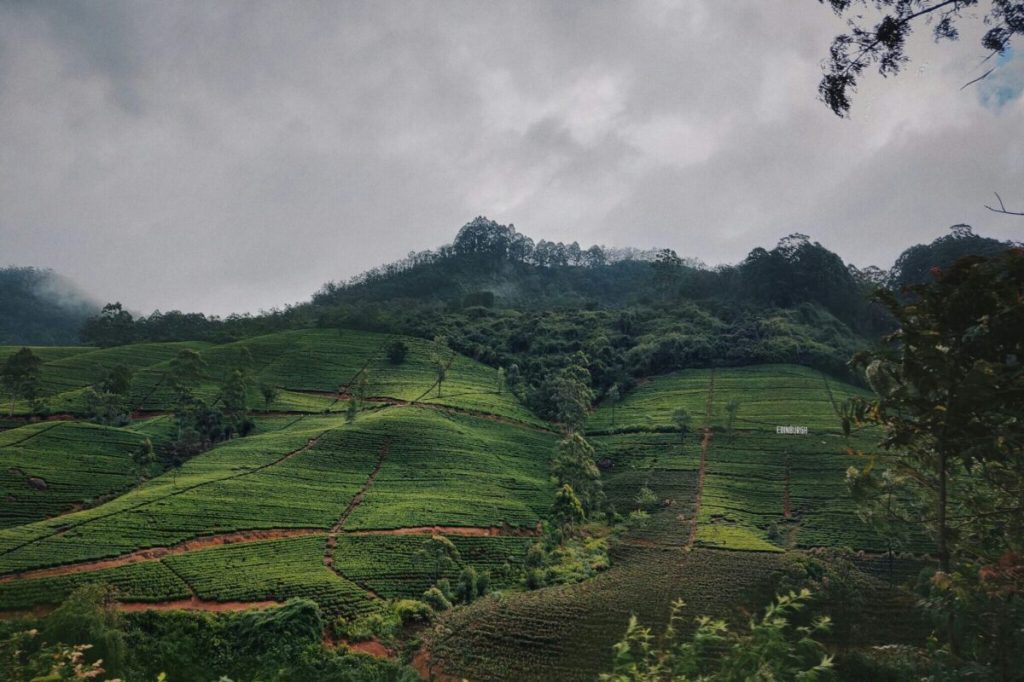
Marketing campaigns now emphasize wildlife safaris in Udawalawe National Park, tea estate experiences in the Central Highlands, and dive operations in the Southern Province targeting serious divers rather than casual snorkelers. Tourism operators report booking patterns shifting toward longer stays in premium properties rather than short multi-destination backpacking circuits.
The strategy carries risks. Reducing budget tourism advertising may alienate budget carriers like FlyDubai and Wizz Air from increasing flights to Colombo. Less accessible tourism could damage the middle-class local travel ecosystem that depends on volume tourism for employment. Tour operators and guesthouse owners serving budget markets face revenue pressure.
Yet Sri Lanka's government believes the sustainable model requires difficult choices. Officials calculate that 3 million moderate-spending tourists generate less revenue and create more problems than 1.5 million affluent visitors. The island's recovery depends on tourism dollars, not tourism statistics.
This represents a fundamental recalibration of how an emerging destination defines success in the competitive Asian tourism marketplace.