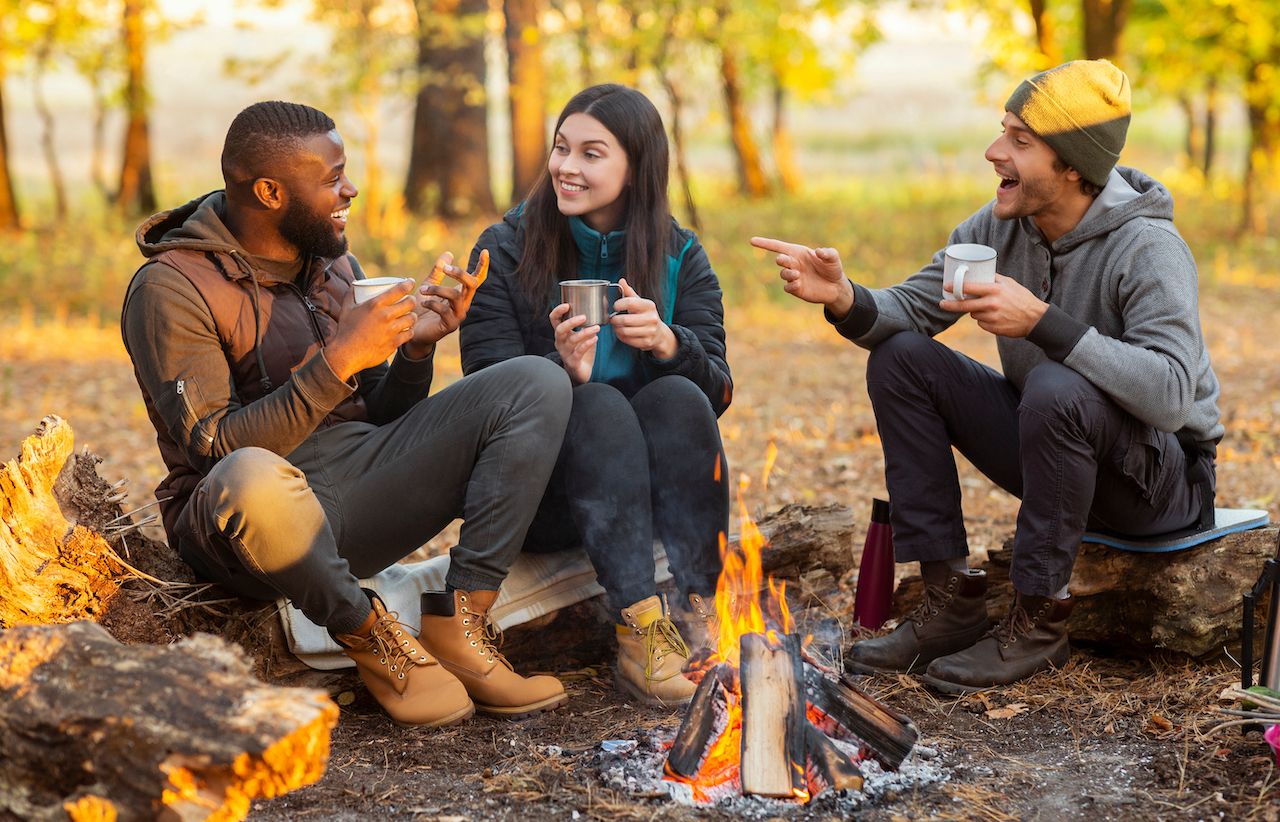
# Gear Up for Autumn Camping: The Essential Equipment Guide for Cold-Weather Comfort
Fall camping transforms landscapes into fiery palettes of red and gold, but plummeting temperatures demand serious preparation. Successful autumn camping hinges on three core systems: insulation, moisture management, and heat retention. Travelers planning overnight trips during September through November need to invest in gear that performs when conditions turn hostile.
The foundation starts with sleeping systems rated for the temperatures you'll encounter. A sleeping bag rated for 20 degrees Fahrenheit protects you even when nighttime temps dip into the low 30s. Layer your bag with an insulated sleeping pad underneath. Ground contact drains body heat faster than air exposure, so R-values matter. Closed-cell foam pads or inflatable options with R-values between 3 and 5 provide baseline protection for shoulder seasons. Premium options like REI Co-op Trailbreak series or Big Agnes sleeping systems handle autumn cold effectively without excessive weight.
Clothing strategy separates comfortable campers from miserable ones. Cotton absorbs moisture and loses all insulating value when damp. Merino wool base layers wick sweat and maintain warmth even when wet. Mid-layers of fleece or synthetic materials trap air. An outer shell blocks wind and rain. Bring more socks than you think necessary. Keep dry socks in your sleeping bag. Cold feet end camping trips early.
Shelter modifications extend comfort margins significantly. Ground tarps prevent moisture wicking from damp earth into your tent floor. Reflective emergency blankets or sleeping bag liners boost thermal efficiency without bulk. Tents with vestibules keep gear organized and reduce drafts. Coleman Sundome tents or REI Half Hitch models balance weight and protection for fall conditions.
Heat generation options range from passive to active. Chemical hand warmers cost dollars and last hours. Insulated sleeping pad combinations create vapor barriers that trap radiant heat. Hot water bottles filled with camp stove water provide warmth throughout the night. Camp stoves like the MSR PocketRocket or Coleman fuel options boil water for warm drinks and hot meals. Never run gas stoves inside sealed tents due to carbon monoxide risks.
Nutrition fuels internal furnaces. High-calorie meals generate body heat through digestion. Trail mix with nuts and dried fruit provides sustained energy. Warm breakfasts matter psychologically and physically. Instant oatmeal with powder milk and brown sugar costs little and delivers warmth before breaking camp.
Weather monitoring shapes daily plans. Mobile weather apps provide hourly forecasts for specific trailheads. Fall weather changes fast. Unexpected cold snaps require flexible itineraries. Advanced booking at established campgrounds like those managed by ReserveAmerica ensures backup shelter options.
Experienced campers layer systems rather than relying on single solutions. This approach costs more upfront but delivers reliability when temperatures drop. Testing gear on backyard overnight trips identifies gaps before wilderness exposure. A failed sleeping system five miles from trailhead creates genuine danger.
Fall camping rewards preparation with solitude, crisp air, and landscapes stripped of summer crowds. The gear investment pays dividends through October and November when three-season camping becomes genuinely uncomfortable without autumn-specific equipment. Start with sleeping systems and work outward, prioritizing insulation as your first purchase.