# Sensory Awakening at Grand Fiesta Americana Los Cabos Reshapes What Resort Experiences Can Deliver
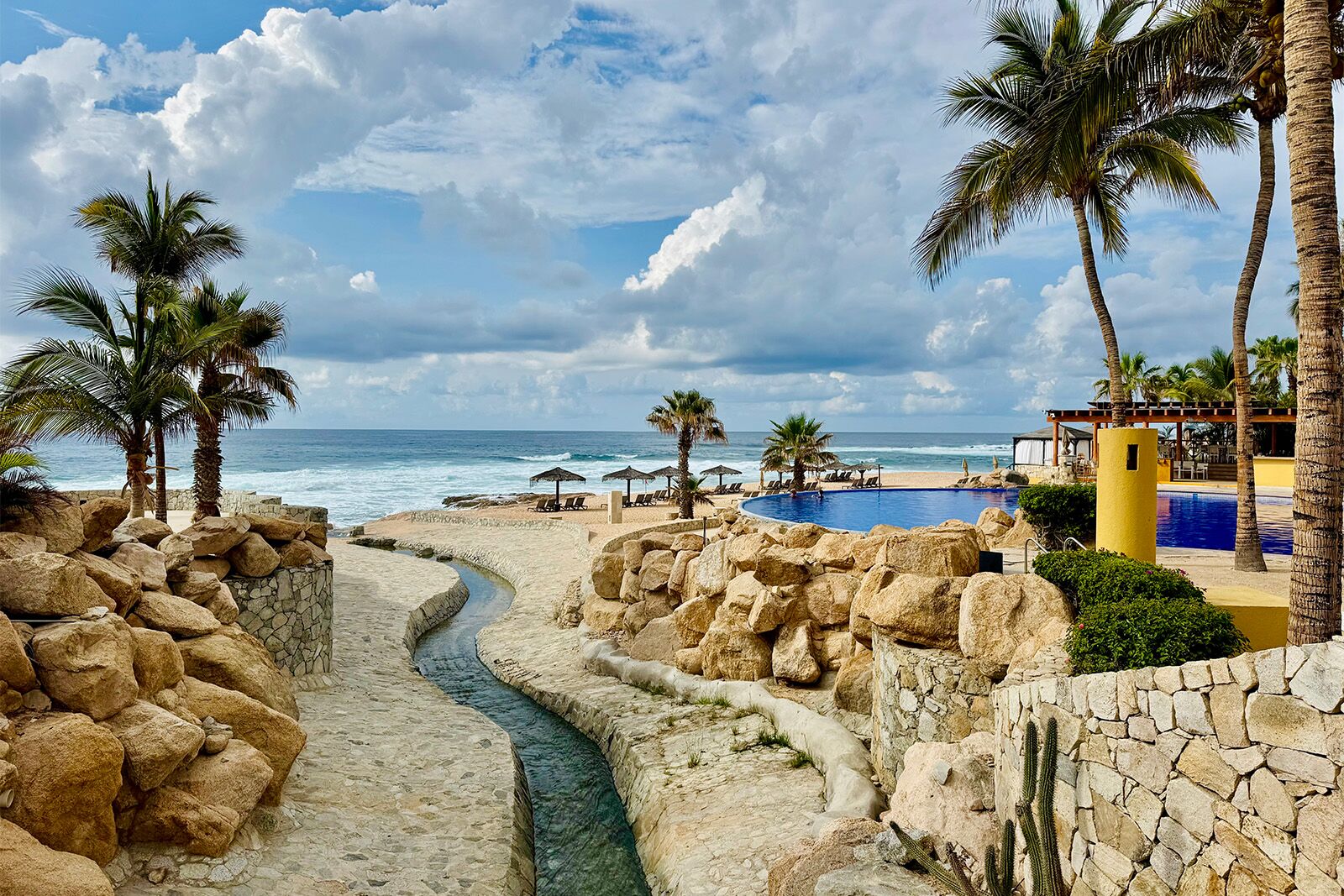
The Grand Fiesta Americana Los Cabos stripped away preconceptions about luxury travel through an unconventional immersion that challenged how guests typically consume resort experiences. The property, nestled where the Pacific Ocean meets the Sea of Cortez at the tip of the Baja California Peninsula, offered a deliberately disorienting encounter designed to heighten remaining senses when vision and familiar comforts disappeared.
This experiential approach inverted the traditional all-inclusive model. Rather than maximizing photo opportunities and checkbox activities, the resort orchestrated a deliberate sensory deprivation exercise that forced travellers to abandon assumptions about Mexican resort culture, spirituality, and what constitutes relaxation. The journalist's account reveals how removing shoes, covering eyes, and surrendering control created unexpected vulnerability and authenticity rarely found in curated hospitality environments.
The Grand Fiesta Americana positions itself within Los Cabos' competitive luxury market, where resorts typically compete on thread counts, infinity pools, and celebrity chef restaurants. This property differentiated itself by offering something increasingly rare: genuine disconnection from the visual spectacle economy that dominates Instagram-driven travel. The experience acknowledged a growing segment of affluent travellers seeking substance over scenery, depth over documentation.
The sensory-focused programming likely connects to broader wellness trends shaping luxury resorts across Mexico. Destinations like Tulum, Puerto Vallarta, and Los Cabos have increasingly incorporated meditation, sound baths, and consciousness-expanding activities alongside traditional spa services. Grand Fiesta Americana tapped into this movement by creating experiences that challenged rather than coddled guests.
The forfeiture of shoes carried particular symbolism. The physical act of removing them represented shedding the trappings of everyday identity and control. In Mexico's spiritual traditions, barefoot connection to earth holds significance beyond mere comfort. This detail suggests the resort consulted indigenous or local spiritual practitioners rather than manufacturing generic wellness theatre.
Challenging "assumptions about Mexican spirits" indicates the experience confronted Western stereotypes about Mexican spirituality and tourism. Rather than packaging mysticism for consumption, the resort appears to have created an authentic encounter with cultural practices that resists easy categorization or Instagram caption. This approach respects host culture while offering guests transformative experience impossible to replicate at home.
For travellers planning Los Cabos trips, this signals an emerging alternative to traditional resort stays. Rather than sunset cocktails and seafood buffets, luxury properties increasingly offer introspective experiences. Pricing likely reflects premium positioning, but the value proposition shifts from amenities to transformation.
The experience also suggests resort design is evolving beyond architectural spectacle. Creating genuine sensory experiences requires specialized expertise, local knowledge, and willingness to make guests uncomfortable in productive ways. This demands different skill sets than typical hospitality management.
For those considering Los Cabos in 2025 and beyond, the Grand Fiesta Americana represents a broader shift. Luxury travel increasingly emphasizes authenticity over aspiration, vulnerability over validation. This particular resort chose to deliver that through darkness, barefoot earth contact, and spiritual encounter. Whether guests seeking traditional resort pleasures view this as innovation or inconvenience depends entirely on what they travel seeking.