# American Airlines Downgrades Couple From Business Class, Refuses Partial Refund
American Airlines downgraded a couple from business class to a lower cabin without offering compensation, then refused to provide any refund despite the passengers paying $8,166 for premium seating they never received. The incident highlights a growing gap between airline policies and passenger expectations when service levels change mid-booking.
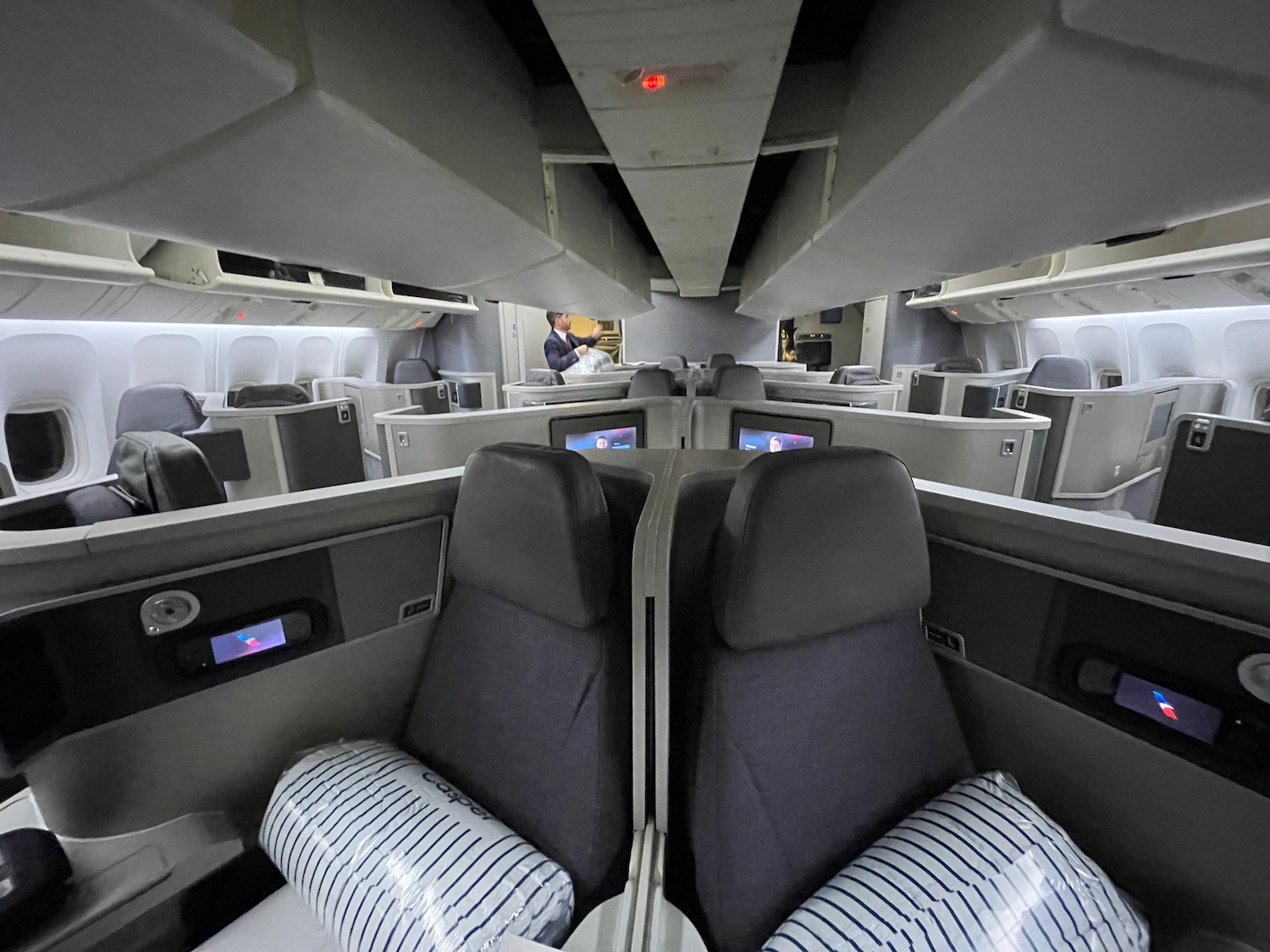
The couple purchased business class tickets on American Airlines at a premium price point reflecting the cabin's amenities, space, and service standards. Upon check-in or boarding, American reassigned them to a cheaper seat class without their consent. Rather than automatically issuing a refund for the difference between business and economy pricing, the airline took the position that it owed no compensation whatsoever.
This approach contradicts the common assumption that downgrading should trigger financial restitution. Most travelers reasonably expect that if an airline cannot deliver the product they paid for, they receive money back for the undelivered service. American's refusal to acknowledge any obligation sets a troubling precedent in an industry where overbooking and schedule changes frequently force seat reassignments.
The $8,166 price tag reflects the substantial premiums business class commands on domestic and international routes. Passengers book premium cabins for direct aisle access, lie-flat beds on long-haul flights, enhanced meal service, priority boarding, and dedicated cabin crew attention. Downgrading to economy eliminates nearly all these benefits. The couple received roughly half the product they paid for, yet American claimed zero liability.
American Airlines' stance reveals how carrier policies increasingly favor the airline over passengers. While the U.S. Department of Transportation mandates refunds when flights are cancelled or significantly delayed, it offers limited protection when airlines involuntarily downgrade passengers. Carriers exploit this regulatory gap by treating downgrades as schedule adjustments rather than service failures requiring compensation.
The refusal also differs markedly from how competitors handle similar situations. United Airlines, Delta Air Lines, and Southwest Airlines typically offer rebooking on alternative flights, vouchers, or partial refunds when downgrades occur. Some carriers provide mileage awards or travel credits. American's blanket denial of any compensation stands out even within an industry not known for generosity.
Passengers facing involuntary downgrades have limited recourse. Filing complaints with the DOT creates a paper trail but rarely generates quick refunds. Credit card chargebacks often succeed if the airline cannot justify the downgrade as a legitimate schedule change. Small claims court remains an option for claims under $10,000, though pursuing litigation requires significant time and effort.
The broader travel industry context matters here. Post-pandemic demand and staffing shortages have pushed airlines to overbook flights aggressively. Overselling seats in premium cabins occurs frequently, forcing downgrades when capacity mismatches arise. Rather than absorb costs, carriers increasingly deny compensation, betting most passengers will accept the loss rather than pursue formal complaints.
This case underscores why business travelers should purchase refundable tickets when possible and maintain detailed documentation of all bookings, confirmations, and communications with airlines. Travel insurance covering involuntary downgrades provides additional protection. Escalating complaints through American's corporate office, rather than relying solely on customer service, sometimes produces better outcomes.
The standoff between the couple and American Airlines demonstrates that premium pricing alone does not guarantee premium service delivery. Airlines retain nearly all power in disputes over downgrades, making passenger advocacy and understanding rights the best defense.