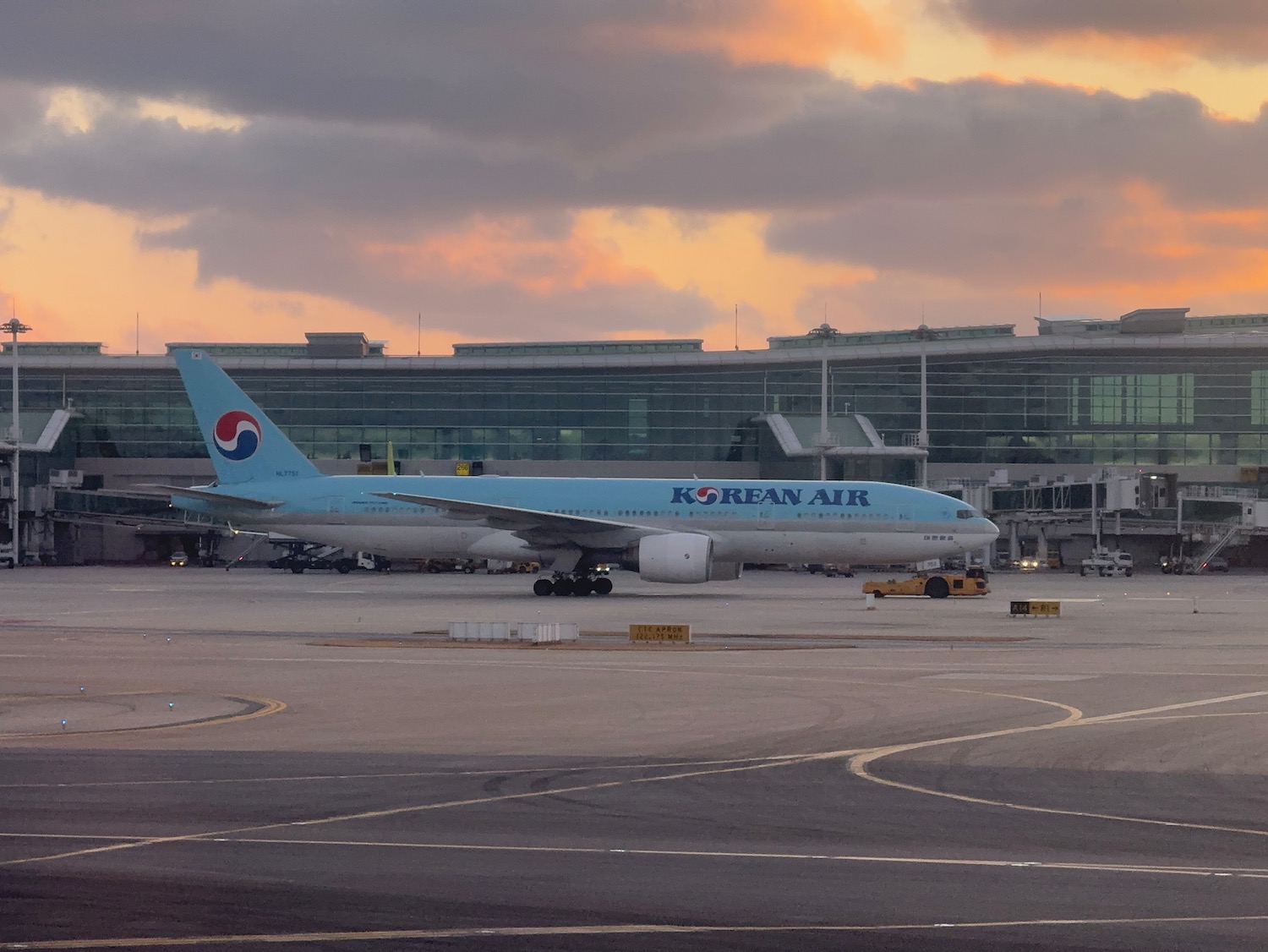
Korean Air's $36 billion aircraft order from Boeing represents one of the aviation industry's largest deals in recent years, yet the agreement failed to calm investor concerns about Boeing's troubled 737 Max production timeline. The Seoul-based carrier ordered 50 Boeing 787 Dreamliners and 30 737 Max jets in the transaction, demonstrating continued faith from a major Asian airline in Boeing's commercial aircraft despite persistent manufacturing delays.
The deal appears solid on paper. Korean Air, one of Asia's largest full-service carriers, secured a mix of wide-body and narrow-body aircraft to modernize its fleet. The 787 Dreamliners will expand capacity on long-haul international routes, while the 737 Max aircraft will replace aging narrow-body aircraft on regional and domestic services. This combination reflects the recovery patterns airlines are betting on as global travel demand rebounds.
However, Boeing's stock tumbled on disclosure that 737 Max production remains behind schedule. During investor briefings, Boeing CEO Kelly Ortberg revealed that ramping up 737 Max manufacturing to target output levels is progressing slower than previously communicated. The narrow-body 737 Max, Boeing's workhorse jet, generates the bulk of revenue for the company. Delays in bringing production to planned levels directly impact Boeing's cash flow and ability to fulfill existing orders.
The timing of these announcements underscores the disconnect between Boeing's order book and its operational reality. Airlines want aircraft now, not years from now. Korean Air's order signals confidence in Boeing's long-term product portfolio, but supply chain constraints, labor agreements, and quality control reviews continue hampering the manufacturer's ability to deliver jets quickly.
For travelers, these delays have indirect consequences. Airlines facing aircraft shortages extend service reductions, limit new route announcements, and sometimes implement capacity constraints that push fares higher. Korean Air, like other carriers worldwide, is managing a fleet that hasn't expanded as rapidly as demand has grown. More Boeing 737 Max aircraft in service would increase seat availability on regional flights, particularly across Asia's high-demand routes connecting South Korea to Southeast Asia, China, and Japan.
The 737 Max production slowdown also creates competitive opportunities for Airbus. While Boeing struggles with manufacturing velocity, Airbus has ramped A320 family production more aggressively. Airlines considering narrowbody aircraft orders increasingly explore Airbus options. The next few quarters will determine whether Boeing can accelerate production or whether delays continue depressing investor sentiment and limiting aircraft availability across the global fleet.
Korean Air's vote of confidence matters. The airline operates one of the world's most extensive networks and maintains high standards for aircraft selection. Its willingness to commit $36 billion to Boeing signals that the 737 Max, despite its troubled history, remains operationally sound and commercially viable. Still, Boeing faces pressure to prove production promises match reality.