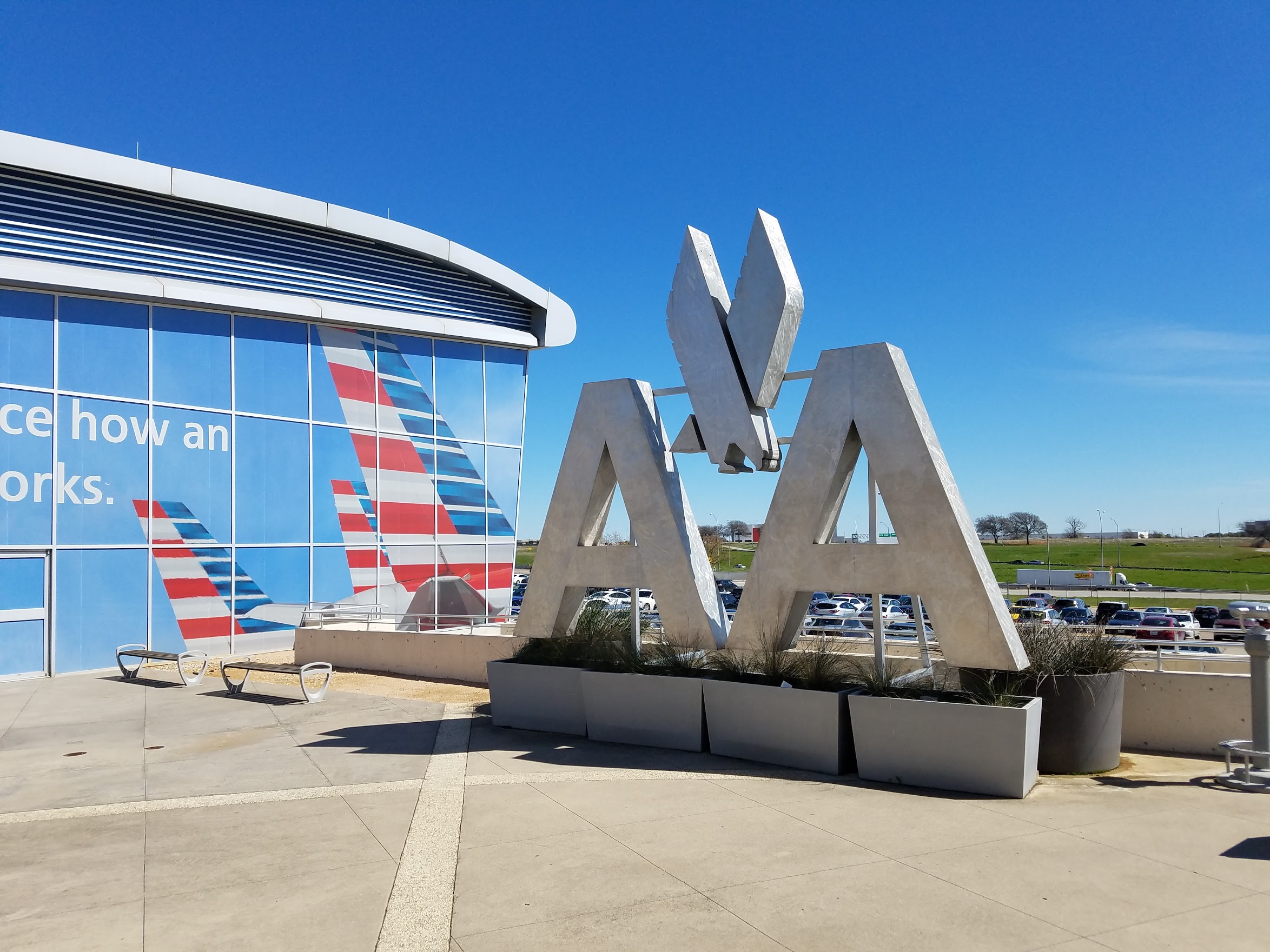
American Airlines CEO Robert Isom visited the White House and praised the Trump administration's economic policies. Two weeks later, the carrier warned investors of a $1 billion increase in its fuel cost forecast, bringing total fuel expense headwinds to approximately $7 billion. The timing reveals a calculated corporate strategy: American appears to be cultivating political favor while facing serious financial pressure.
The airline industry operates on razor-thin margins. Fuel represents the largest controllable expense for any carrier. When crude oil prices spike, airlines lose leverage over their bottom lines. American's sudden $7 billion fuel bill increase signals serious concern about energy costs ahead. Yet Isom's Oval Office appearance suggests the airline wants something from Washington beyond sympathetic economic talk.
Two major decisions hang over American Airlines right now. First, the carrier faces an enormous aircraft order decision. American currently operates Airbus A320-family jets and older Boeing 737s. The company must decide whether to commit billions to a new widebody aircraft order, likely from Airbus. That purchase requires financing, regulatory approval, and favorable lease terms. A pro-business administration could smooth that path.
Second, American has long eyed Alaska Airlines' operations on the West Coast. The two carriers have never merged successfully, but American could benefit from Alaska's domestic network and Alaska's lucrative routes to Hawaii and Asia-Pacific destinations. Any merger would require Department of Justice approval under current antitrust guidelines. The Trump administration has signaled a more permissive stance on airline consolidation than the Biden administration took.
The $7 billion fuel hit forces American's hand. The airline cannot simply absorb that cost. Historically, airlines pass fuel surcharges to customers through higher ticket prices, or they negotiate more favorable terms with fuel suppliers and aircraft manufacturers. Political access helps with the latter. A Treasury secretary sympathetic to airline needs could influence fuel policy. An administration open to consolidation could unlock the Alaska deal.
American's public posture toward the Trump administration signals what the industry actually wants: regulatory flexibility and reduced antitrust scrutiny. Other carriers have remained quieter. Southwest Airlines has made few public statements about the administration. Delta Air Lines has taken a measured approach. American's visible courtship stands out.
The airline faces a credibility test. Investors heard the fuel warning as a potential prelude to reduced guidance, lower earnings, or requests for government support. Airlines faced heavy federal support during the pandemic. The industry recovered but now faces higher labor costs thanks to pilot and flight attendant contract wins in 2023 and 2024. American paid pilots 40 percent more over five years. That wage inflation, combined with fuel expenses, squeezes profitability.
Isom's Washington visit paid homage to broader Republican Party preferences for business-friendly policy. But American's financial reality drives the visit's substance. The airline needs either favorable financing terms for its Airbus order, permission to acquire Alaska Airlines, or both. Praise for the administration's economic stance costs nothing. It opens doors that American's balance sheet cannot force open alone.