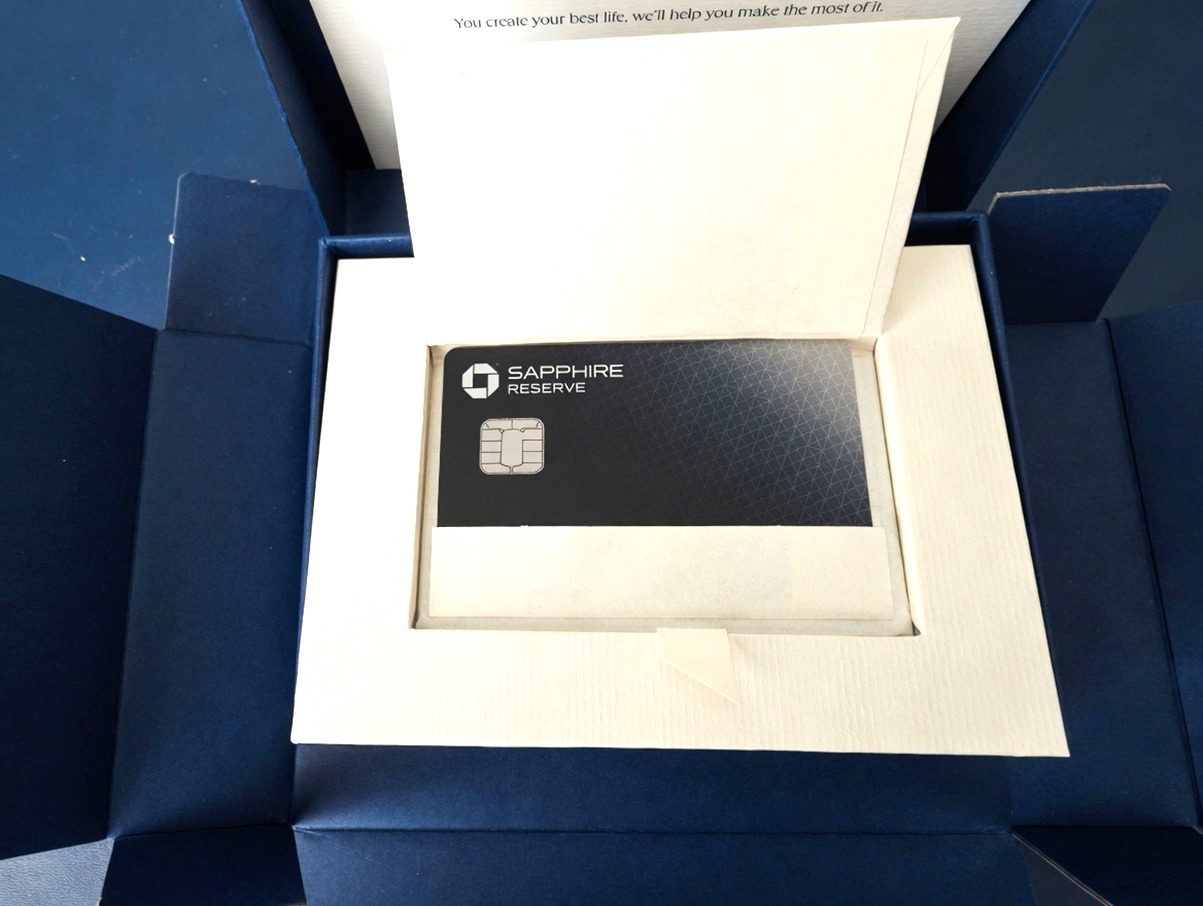
# Credit Card Banks Weaponize Purchase Data To Drive Consumer Behavior, But Effectiveness Remains Murky
Chase, American Express, and Citibank are fundamentally reshaping how they compete for cardholder loyalty. These giants now weaponize your purchase history to offer hyper-targeted discounts and cashback bonuses, transforming your shopping patterns into valuable advertising inventory. The strategy works. These offers change which credit card stays in your wallet and which merchants benefit from your visits.
Here is how the system operates. Banks collect granular transaction data from millions of cardholders. They analyze where you eat, shop, travel, and stay. Then they deploy artificial intelligence to predict your next move. Want 5 percent cashback at restaurants this quarter? Chase Freedom Flex targets that behavior. Amex offers 4x points at U.S. restaurants and shops through select American Express cards. Citi ThankYou cards rotate bonus categories quarterly. These customized incentives work precisely because they align with spending patterns cardholders already exhibit or desire.
The merchant economics get complicated fast. When a bank offers you a discount through a targeted offer, that discount does not automatically mean the merchant pocketed more revenue. Hotels, airlines, and restaurants negotiated interchange rates long before your personalized cashback landed in your account. A 10 percent discount baked into your card account does not signal that the merchant chose to earn less. Instead, banks absorb the cost through their own revenue streams, interchange fees they charge merchants, and interest earned from cardholders who carry balances. The discount represents a redistribution of existing economics, not a creation of new merchant demand.
New research challenges the narrative that elaborate customer profiling justifies these discounts. Banks invest heavily in data collection, segmentation, and personalization infrastructure. The operational costs are substantial. Yet studies suggest that targeted offers drive incremental spending at lower rates than banks forecast. Cardholders often apply discounts to purchases they would have made anyway. A customer does not suddenly book five extra hotel nights because Amex offered 15x points at luxury hotel chains. Instead, that customer uses the offer on a trip already planned, redirecting loyalty to a hotel brand that participates in the Amex network rather than spending more overall.
The travel implications matter. Business travelers and frequent leisure flyers benefit most from these programs because banks profit from their spending volume. A consultant flying monthly on corporate accounts generates far more data value than a casual tourist taking one annual vacation. This creates a tiered system where elite travelers receive better offers while occasional travelers see generic promotions.
For travelers planning trips, the strategy becomes clear. Stack targeted offers. Book hotels through bank portals that trigger bonus point multipliers. Use category-specific cards for dining and flights. Pay attention to quarterly rotating categories on Freedom cards. However, understand that these discounts rarely indicate genuine merchant partnerships. Airlines, hotel chains, and restaurants participate because credit card networks demand it and because volume economics work in their favor, not because they want to subsidize your travel.
The advertising value flows to banks, not necessarily to merchants seeking incremental revenue.