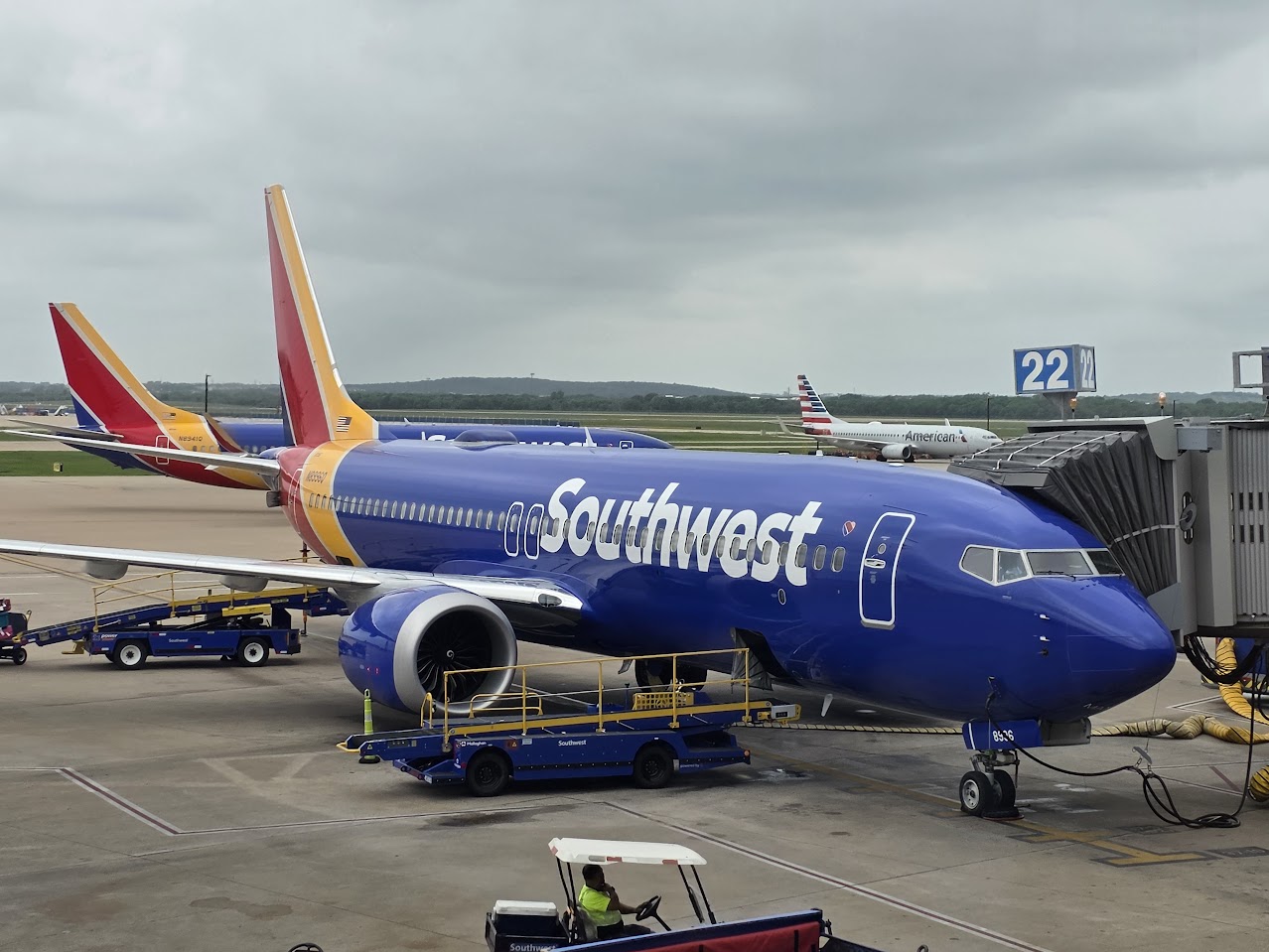
Southwest Airlines abandoned the operational model that defined it for four decades, transforming from a scrappy, low-cost carrier into a conventional full-service airline. The airline's historic strengths—free checked bags, open seating, no seat assignments, and no change fees—created a consumer-friendly brand identity. Today, that airline hardly exists.
The shift was not strategic choice but economic inevitability. Southwest's business model required extreme simplicity to function at scale. When the airline expanded beyond its original regional networks into transcontinental routes and international markets, the old system broke down. Complex networks demanded seat assignments. Premium customers expected reserved seating and dedicated spaces. Credit card partnerships required airline lounges to justify co-branded card fees.
Each decision locked Southwest into the next. Once assigned seating arrived in 2020, the airline needed premium economy products to extract higher fares from business travelers. Once premium cabins appeared, lounges became mandatory. Once lounges opened, frequent flyer programs needed restructuring. The airline became trapped in the mechanics of conventional airline economics.
Distribution complexity accelerated the collapse. Southwest's free-for-all boarding and bag policy worked when passengers booked directly via southwest.com or phone. Global distribution systems like Amadeus and Sabre demanded standardized fare families and baggage rules. Travel agents needed clear product differentiation. Corporate travel managers wanted predictable seat inventory. Southwest's operating model, built for simplicity, could not survive integration into the global travel booking ecosystem.
The airline's December 2022 meltdown catalyzed the final transformation. The operational chaos exposed how far Southwest's infrastructure had fallen behind competitors. Rebuilding required modern crew scheduling systems, better airports, and hub consolidation. These investments pushed Southwest further toward conventional airline operations.
The tragedy sits not in what Southwest became, but in what it surrendered without gaining anything back. Legacy carriers like United Airlines, American Airlines, and Delta Air Lines built their advantages over decades. They own fortress hubs, premium frequent flyer programs, and business traveler loyalty. Southwest joined their category without their competitive moats.
Customers lost genuinely differentiated service. Two free checked bags and no change fees represented real value—not loyalty theater or marketing positioning. Those benefits created consumer preference based on actual economics, not brand sentiment. Southwest's simplicity also meant lower costs, which could have supported low fares even as the airline scaled.
Today, Southwest operates Delta Air Lines' product strategy without Delta's scale or premium pricing power. The airline charges for seat assignments, drinks, and premium boarding. Bags carry fees on basic economy tickets. Change restrictions apply to the cheapest fares. None of these policies generate margins that justify the operational complexity they introduce.
The airline now competes in three categories simultaneously. It undercuts budget carriers like Spirit Airlines and Frontier Airlines on price while lacking their operational efficiency. It undercuts legacy carriers on network breadth while offering inferior products. It undercuts neither on service quality or brand strength.
Southwest's predicament offers a lesson for airlines globally: operational models built for scale require abandoning what made them distinctive. Southwest could not scale without becoming ordinary. Once ordinary, it could not reclaim advantage. The airline's evolution from industry disruptor to conventional operator reveals how competitive convergence punishes companies that wait too long to transform.