# The Quest for Cologne's Perfect Kölsch: Inside Germany's Most Protected Beer Culture
Cologne guards its brewing heritage like few cities protect anything. Since 1997, kölsch holds protected geographical indication status within the EU, meaning only breweries within 50 kilometers of the city can legally produce it. The Kölsch-Konvention, signed in 1986, locks down the style with precision. These aren't casual rules. They reflect something deeper: a beer culture so integral to Cologne's identity that locals claim kölsch is not just a drink but a religion.
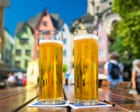
The statement bears truth. Walk through Cologne's historic beer halls and the devotion becomes visible. Each brewery operates with centuries of tradition behind it, serving pale ale in distinctive 0.2-liter glasses called Stangen. The beer itself sits at an intersection of styles. It's pale like a pilsner but brewed with ale yeast, giving it a crisp finish balanced by subtle fruitiness. Brewmasters describe it as the champagne of pale ales, and the comparison sticks once you've tasted quality examples.
Visitors arriving in Cologne should expect beer tourism that rivals wine regions elsewhere. The city's Altstadt (Old Town) clusters traditional brewhouses within walking distance. Each establishment maintains its own recipe, its own character. Some date back centuries. The architecture matters too. These aren't generic beer bars. Many occupy half-timbered buildings with vaulted ceilings, creating an atmosphere where sipping kölsch feels like participation in living history rather than simple consumption.
The protected status creates practical advantages for travelers. You cannot order fake kölsch in Cologne. Walk into any brewery and you receive authenticity. This contrasts sharply with other beer styles that get imitated globally. A "pilsner" from Thailand differs vastly from one brewed in Bohemia. A "kölsch" from anywhere but Cologne breaks the law. That protection means consistency and quality assurance.
For travelers planning a Cologne visit, beer tourism demands time. A single afternoon rarely suffices. Budget at least a full day to experience multiple brewhouses. Each pours its signature beer fresh, often directly from tanks in the cellar. The beer itself costs little, typically two to four euros per glass, making kölsch culture accessible regardless of budget. Food arrives simple but substantial: pretzels, cheese, traditional German fare. The experience favors lingering over rushing.
The best approach involves sampling across breweries rather than committing to one. Different houses emphasize different qualities. Some produce lighter, more delicate versions. Others craft kölsch with deeper maltiness. The only way to identify your preference involves tasting multiple interpretations. This isn't marketing nonsense. The stylistic variations within kölsch's strict parameters prove genuine.
Cologne itself offers more than beer. The Dom, the city's cathedral, stands as a UNESCO World Heritage site. The Rhine waterfront provides walking paths and views. Museums cover everything from ancient Roman history to contemporary art. But the beer halls function as social hubs where travelers mix with locals. That human element transforms beer tasting into cultural exchange. You drink not in isolation but as part of a community stretching back generations.
The protected designation, the Konvention, the geography all point to something travelers often overlook. Real beer culture requires place. It cannot be exported or replicated. This makes Cologne trips valuable for anyone serious about understanding beer's role in European life and identity.