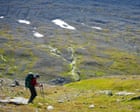
The Präststigen, a 37-mile pilgrimage trail in northwestern Sweden, draws trekkers to a remote 18th-century chapel nestled deep in Sami lands. The route traverses some of Sweden's most spectacular mountain scenery, attracting hikers who arrive at Alkavare chapel dressed in expedition gear rather than traditional religious attire.
Walkers on the trail typically wear waterproof jackets and leather hiking boots, reflecting the challenging terrain and weather conditions encountered during the journey. Upon reaching the chapel, pilgrims gather for services led by clergy like priest Mogens Amstrup Jacobsen, who embraces outdoor-appropriate clothing for the setting. Jacobsen reportedly wears Gore-Tex rain jackets beneath his religious garments, acknowledging the practical demands of the remote location.
The Präststigen represents one of Europe's most rugged pilgrimage experiences, combining spiritual purpose with serious mountaineering demands. The trail's destination, Alkavare chapel, sits isolated within territory significant to Sami indigenous communities, adding cultural dimensions to the religious journey.
Hikers typically complete minimal hygiene preparations given the trail's remoteness, with some trekkers going days between bathing opportunities. Despite these conditions, the route maintains active use among pilgrims seeking both spiritual experience and wilderness adventure. The chapel itself accommodates visitors on flagstone floors, its low wooden benches designed for congregants gathered in harsh Nordic conditions.
The combination of religious tradition and extreme environment makes the Präststigen distinctive among European pilgrimage routes. Rather than soft paths leading to established monasteries, this trail demands serious hiking skills and gear while delivering pilgrims to a centuries-old chapel in one of Scandinavia's most isolated mountain regions.